Origami #
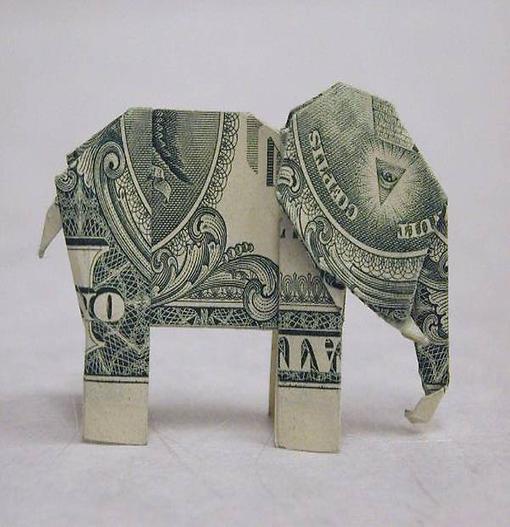
Dieser Beitrag wurde mit Hilfe von KI (insbesondere Perplexity) erstellt und von mir , Hermann Maurer, nur überarbeitet.
Origami is the art of folding a flat sheet of paper —usually a square— into a three-dimensional figure without cutting or gluing it. The Japanese word combines ori (“folding”) and kami (“paper”); the most famous model is the paper crane.
See https://www.japan.travel/en/uk/inspiration/origami-how-to-beginners.
What origami is#
Traditional origami generally uses one uncut sheet of paper and no glue; if cuts are required, the related craft is usually called kirigami. Designs are built from a small vocabulary of folds—such as valley, mountain, squash, pleat, and reverse folds—combined into “bases” that can become animals, flowers, boxes, stars, and abstract geometric sculptures.See https://people.howstuffworks.com/origami.htm.
Although strongly associated with Japan, it originated in China, and paper-folding traditions also developed elsewhere, including Spain. In Japan, folding was first connected with ceremony and etiquette; it became a popular pastime during the Edo period (1603–1867), when paper became more widely available.
See https://web-japan.org/kidsweb/virtual/origami/exploring01.html.
Why it works well in a story#
Origami offers several useful narrative images:- Transformation: an ordinary sheet becomes a crane, boat, star, or flower—ideal for themes of change, creativity, or hidden potential.
- Patience and precision: each crease matters, making it a good metaphor for care, discipline, or learning from mistakes. See https://paper.gatech.edu/kinetic-joy/origami.
- Peace and remembrance: the thousand-paper-cranes tradition is associated with wishes for health and good fortune, and has a strong symbolic connection with Hiroshima.
- Mathematics and engineering: modern origami also intersects with geometry, design, and technology, which can support a science-oriented story, see https://www.ebsco.com/research-starters/arts-and-entertainment/origami.
Good sites: #
- USA
- USA free diagrams
- British Origami society
- British Origami society-Galleries
- British Museum- Origami inspired by Japanese prints
- Origami.org