Tenerife#
Some impressions from a trip November 2014. All material can be used for whatever purpose you want als long as it says: "Foto: Maurer, Austria-Forum".
Tenerife
Tenerife
is the largest of the Canary islands. It is dominated by Pico el Teide
Pico el Teide, Tenerifa
, the volcanoe basically responsible for the island. It is a bit over 3.700 m high. The capital is Santa Cruz
Santa Cruz, Tenerifa]
on the NO coast, but the main tourist areas are the very dry and constantly sunny regions of the South, with the center Las Americas/ Los Christianos
Los Christianos
Here you find a complete artifical environnment of appartment and hotel silos. As you move further to the West like to Playa Paraiso or Puertito (see pictures) the situation starts to be a little better, yet all the coastal areas except in the West (where high waves make the ocean difficult to manage) and the Norhern part with its dense forest (not so much caused by rain but by fogs) are quite crowded. In the center of the island, Teide and its huge caldera are often in beautiful sun with a layer of clouds below it. In what follows, we show some typical picures of the island, but omit pictues of cities, although particularly the old center of La Laguna
San Christobal de la Laguna, Tenerife
(and partially of the capital) and some old villages many of them also would deserve a visit.
Teneriffa
Tenerife
ist die größte der kanarischen Inseln. Sie wird dominiert vom Pico el Teide
Pico el Teide, Tenerifa
, der Vulkan der für dieses Insel verantwortlich ist. Er ist ein bisschen höher als 3.700 m. Die Hauptstadt ist Santa Cruz
Santa Cruz, Tenerifa]
an der NO Küste, aber die von Touristen geliebten Gebiete sind die trockenen und stets sonnigen Südküsten. Die Zentren dort sind Las Americas/ Los Christianos
Los Christianos
. Hier findet man jede Art von Unterkunft, vorwiegend in großen Hotelsilos. Weiter im Westen, etwa bei Playa Paraiso oder Puertito ist die Besiedlung spärlicher, aber alle Küstenstriche mit Ausnahme der ganz im Westen (wegen hoher Wellen und des schlechteren Wetters) und der Norden mit dichten Wäldern, die hauptsächlich durch konstanten Nebel ihre Feuchtigkeit erhalten, sind touristisch milde ausgedrückt "gut besucht". Im Zentrum der Insel Teide und seine große Caldera liegen oft in voller Sonne, mit einer Schicht Wolken tiefer unten. Die Bilder der HU. Reise zeigen in erster Linie die Natur ohne auf die Städet einzugehen, obwohl z.B. das alte Zenrum von La Laguna
San Christobal de la Laguna, Tenerife
und auch Teile der Hautpstadt so wie einige kleine Dörfer interessant sind.
Pictures from Tenerife, starting at the South coast at Playa Pareiso, a bit West of the biggest touristic concentration in Los Christianos
Playa Pareiso, Tenerife
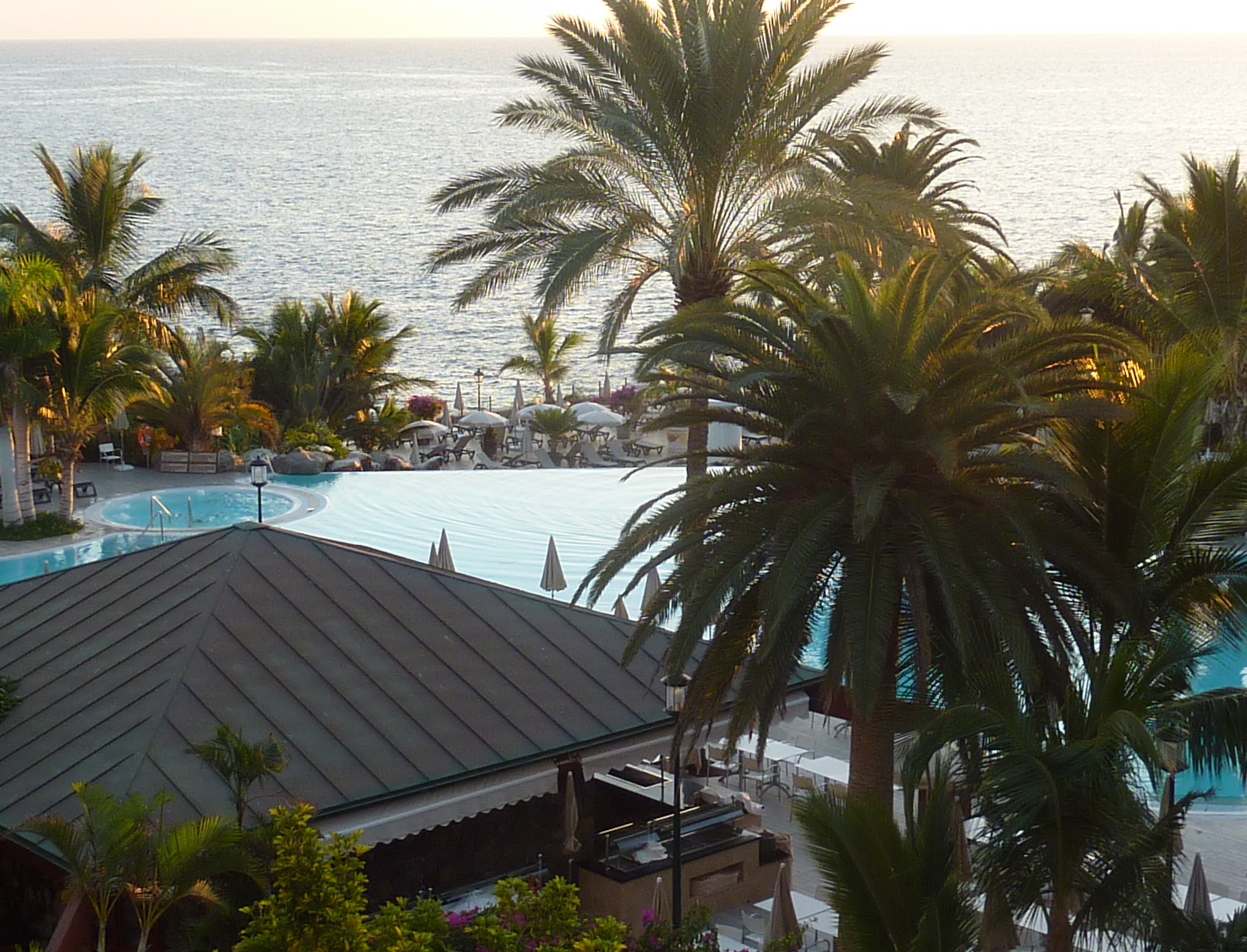
Foto: Maurer, Austria Forum
Playa Paradeiso evening, under CC BY 4.0
Playa Paradeiso evening, under CC BY 4.0

Foto: Maurer, Austria Forum
Playa Paradeiso morning, under CC BY 4.0
Playa Paradeiso morning, under CC BY 4.0
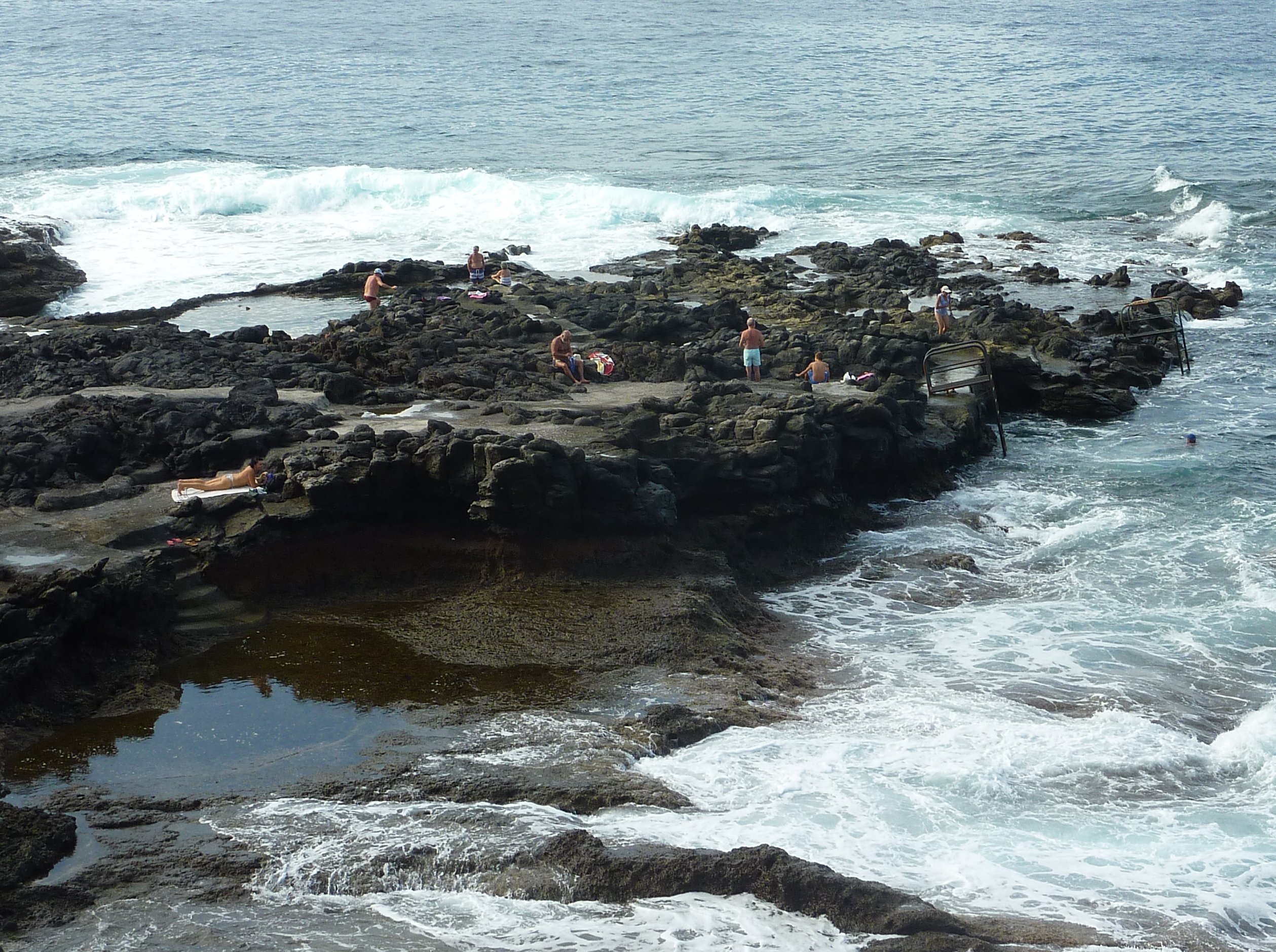
Foto: Maurer, Austria Forum
Rocky beach near Playa Pareiso, under CC BY 4.0
Rocky beach near Playa Pareiso, under CC BY 4.0
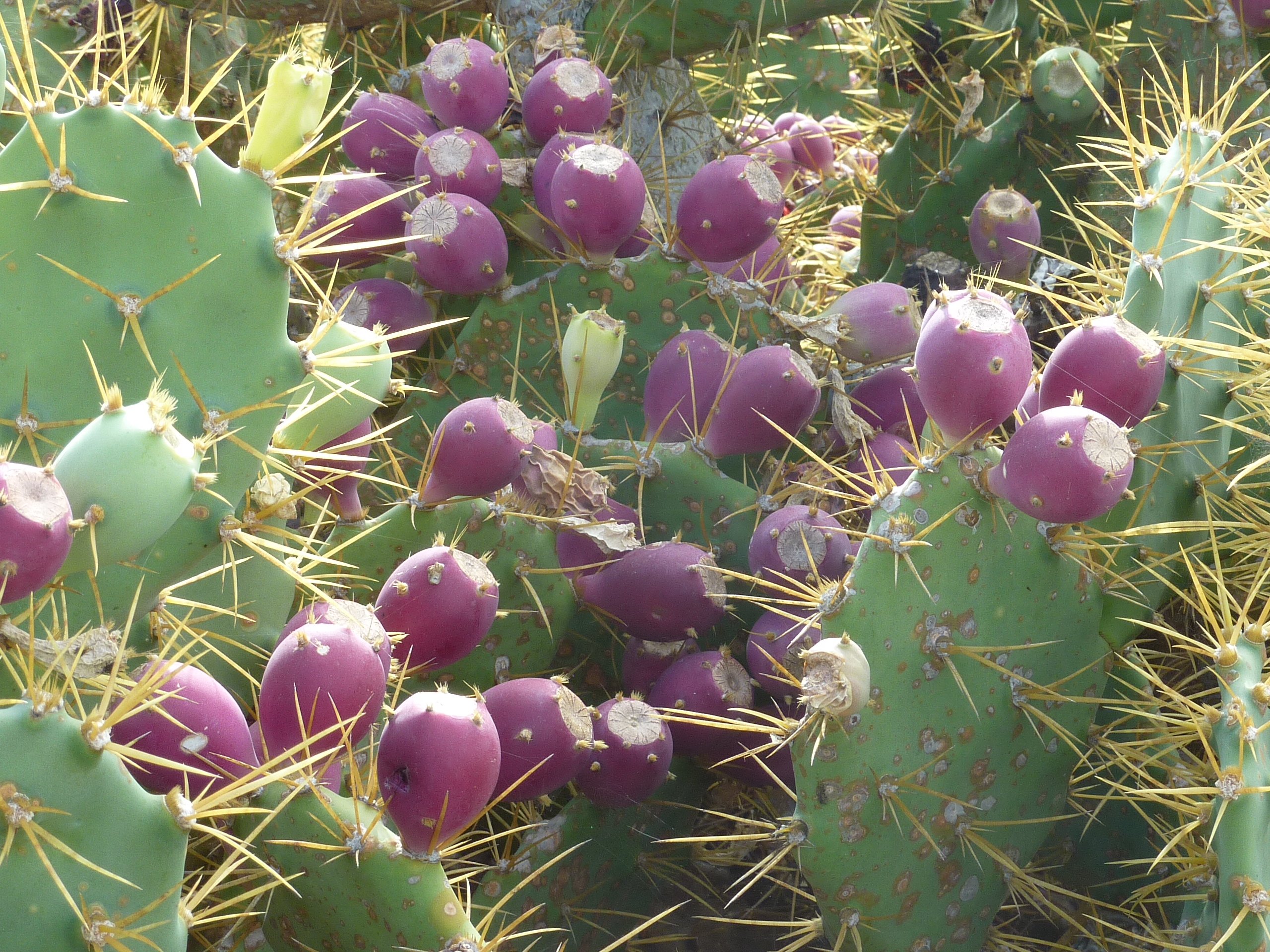
Foto: Maurer, Austria Forum
Cactus figs, under CC BY 4.0
Cactus figs, under CC BY 4.0
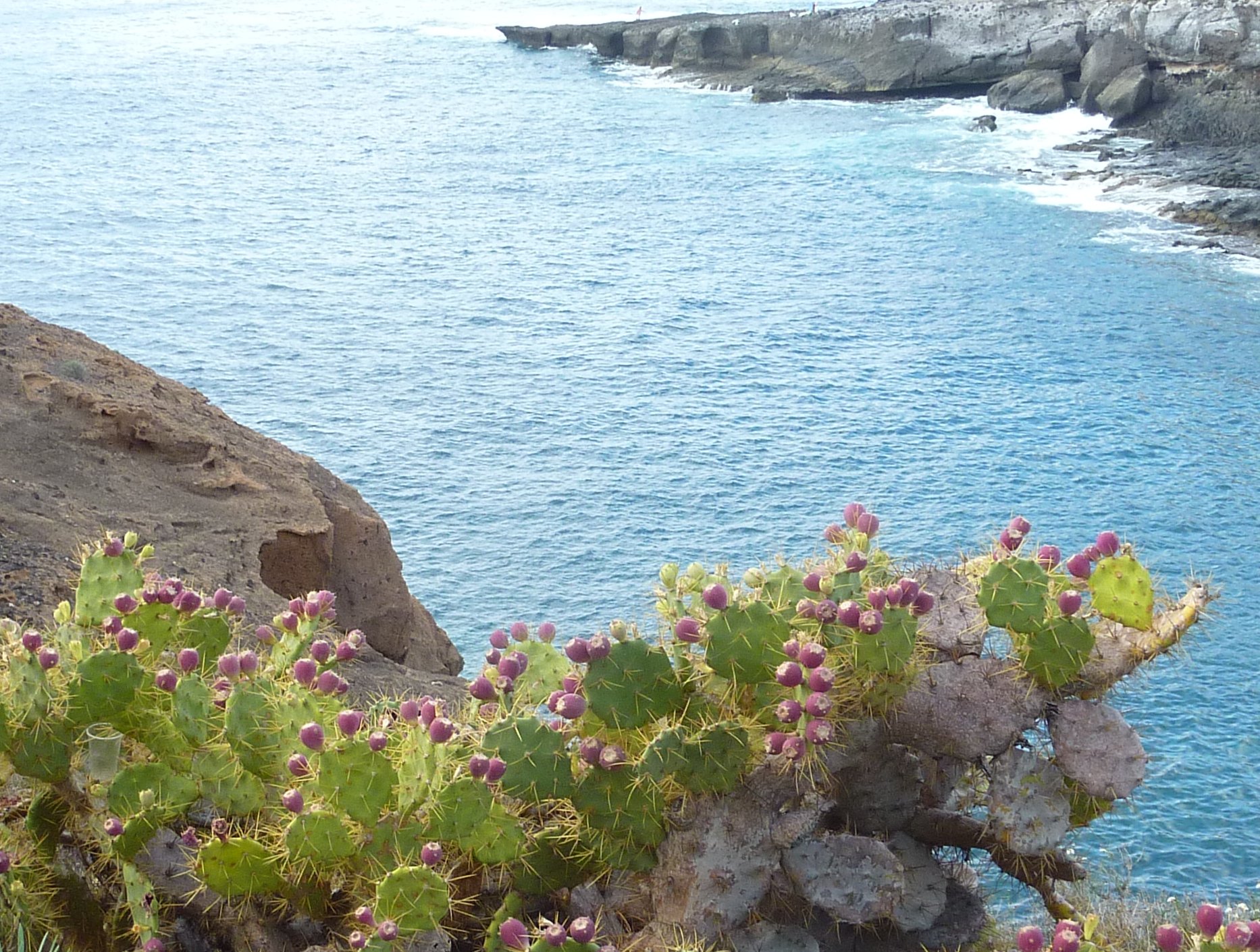
Foto: Maurer, Austria Forum
Cactus figs and bay, under CC BY 4.0
Cactus figs and bay, under CC BY 4.0
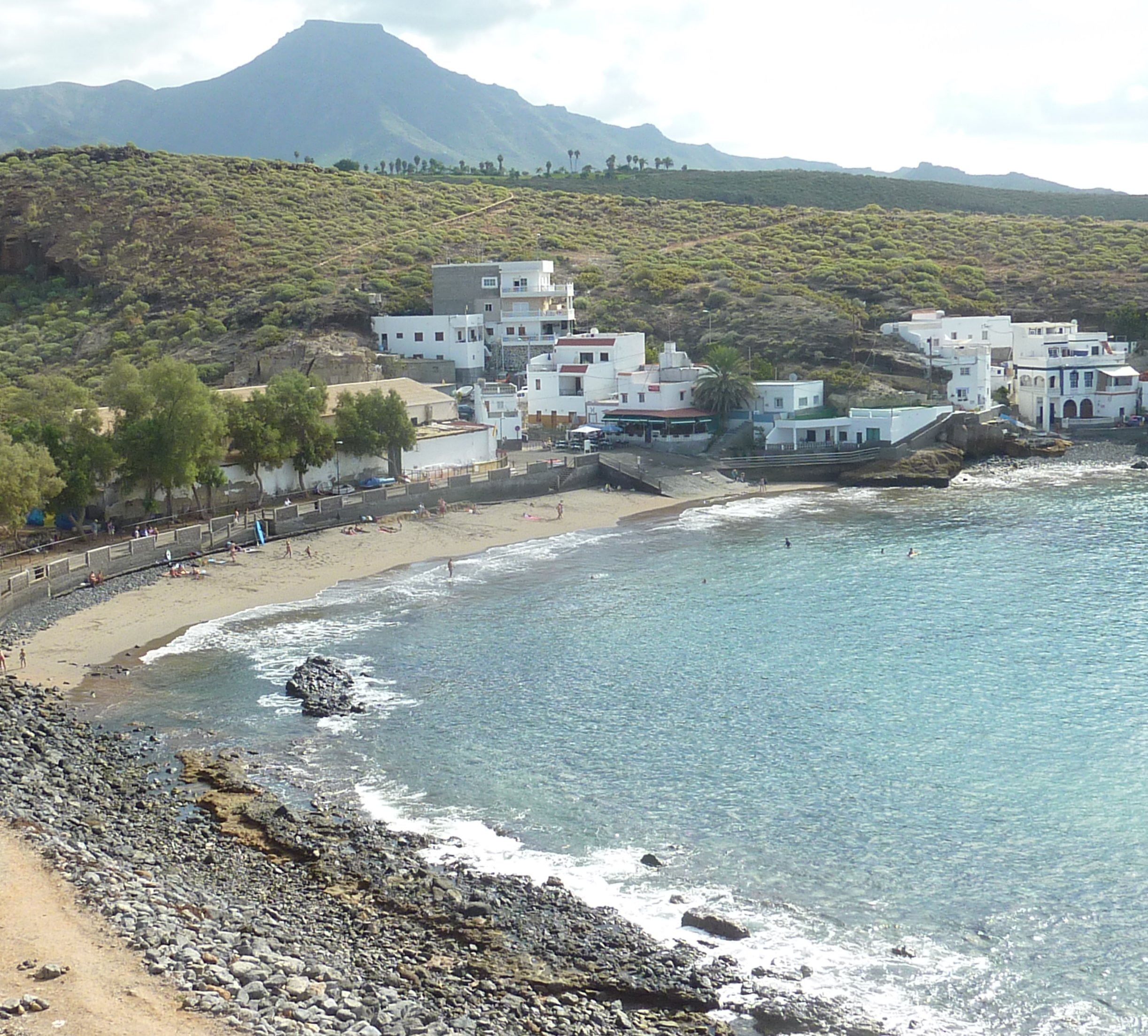
Foto: Maurer, Austria Forum
Bay of El Puertito, under CC BY 4.0
Bay of El Puertito, under CC BY 4.0
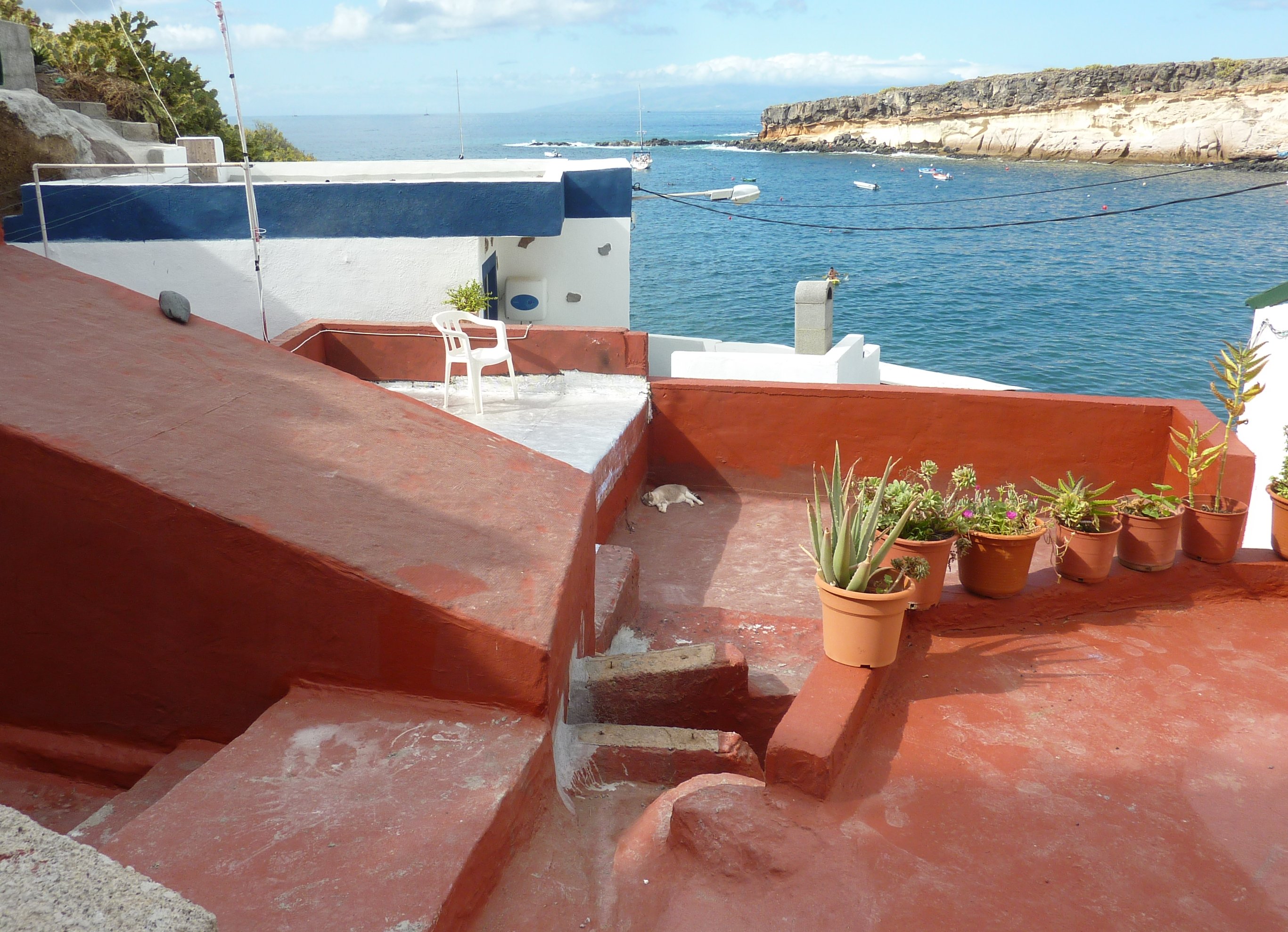
Foto: Maurer, Austria Forum
El Puertito, under CC BY 4.0
El Puertito, under CC BY 4.0

Foto: Maurer, Austria Forum
Rizinus plant, under CC BY 4.0
Rizinus plant, under CC BY 4.0

Foto: Maurer, Austria Forum
Look like grapes but are totally different plant
Look like grapes but are totally different plant
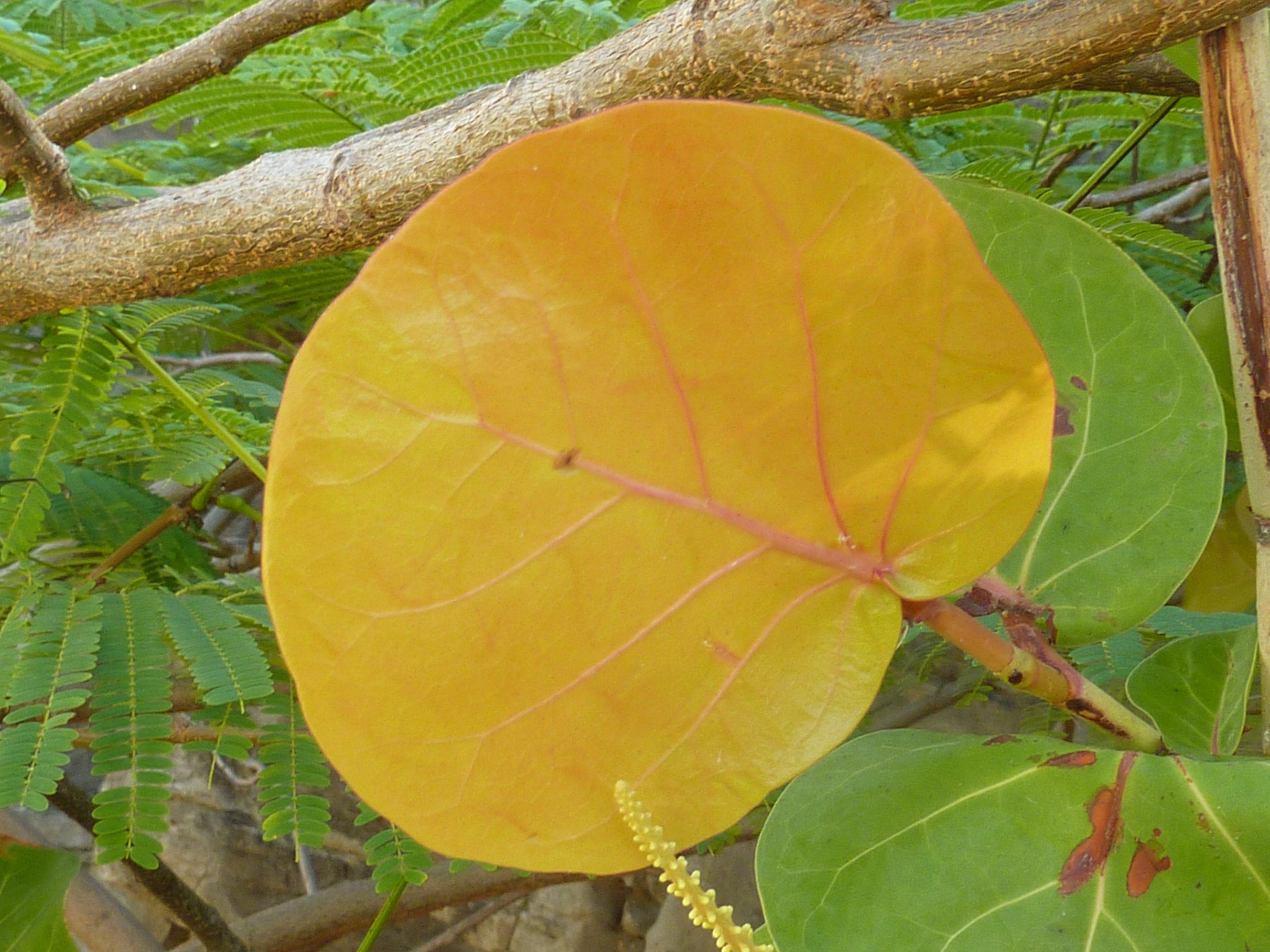
Foto: Maurer, Austria Forum
Leaf of plant
Leaf of plant

Foto: Maurer, Austria Forum
Various phases of fruit
Various phases of fruit
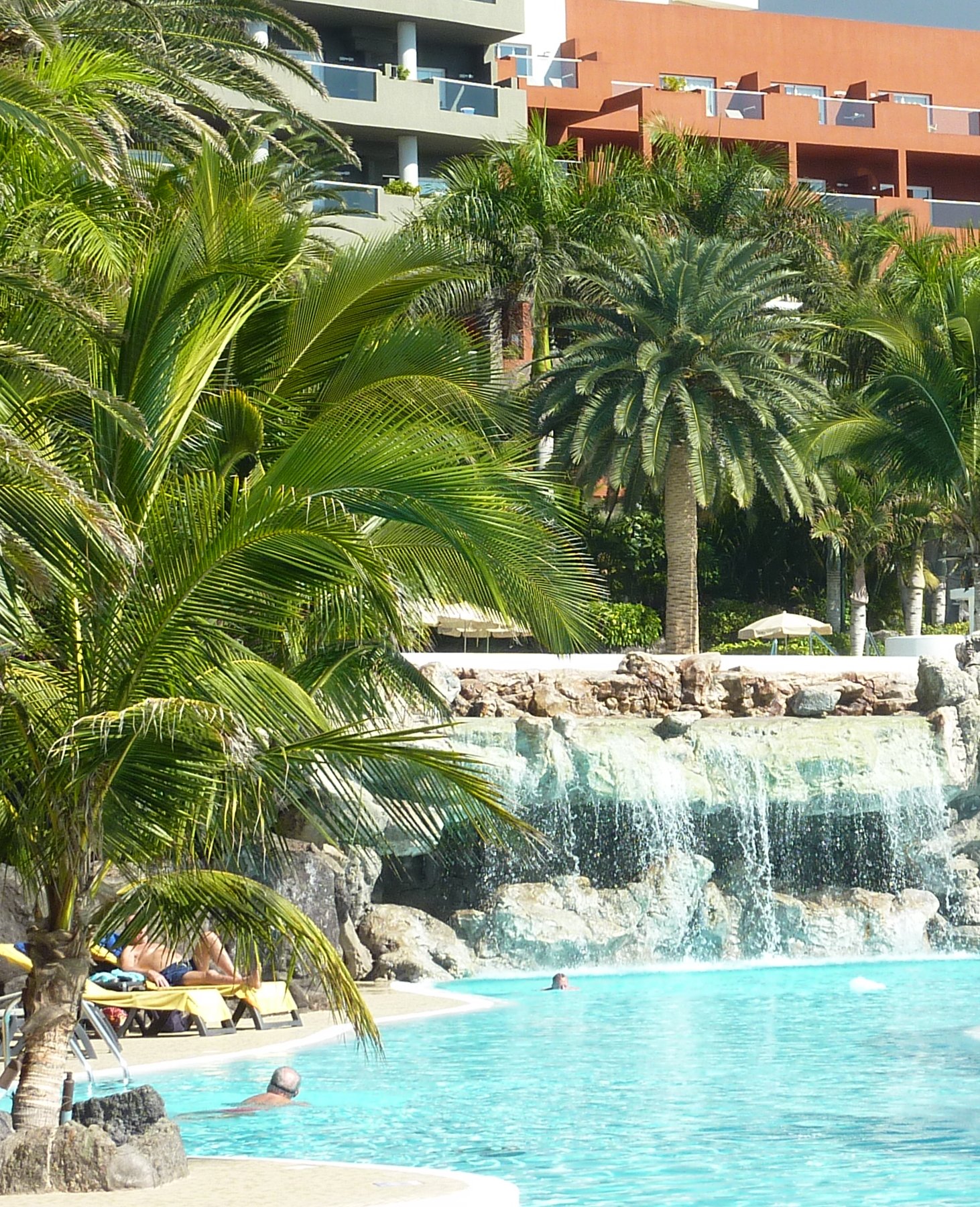
Foto: Maurer, Austria Forum
Poolscape at Playa Pareiso
Poolscape at Playa Pareiso
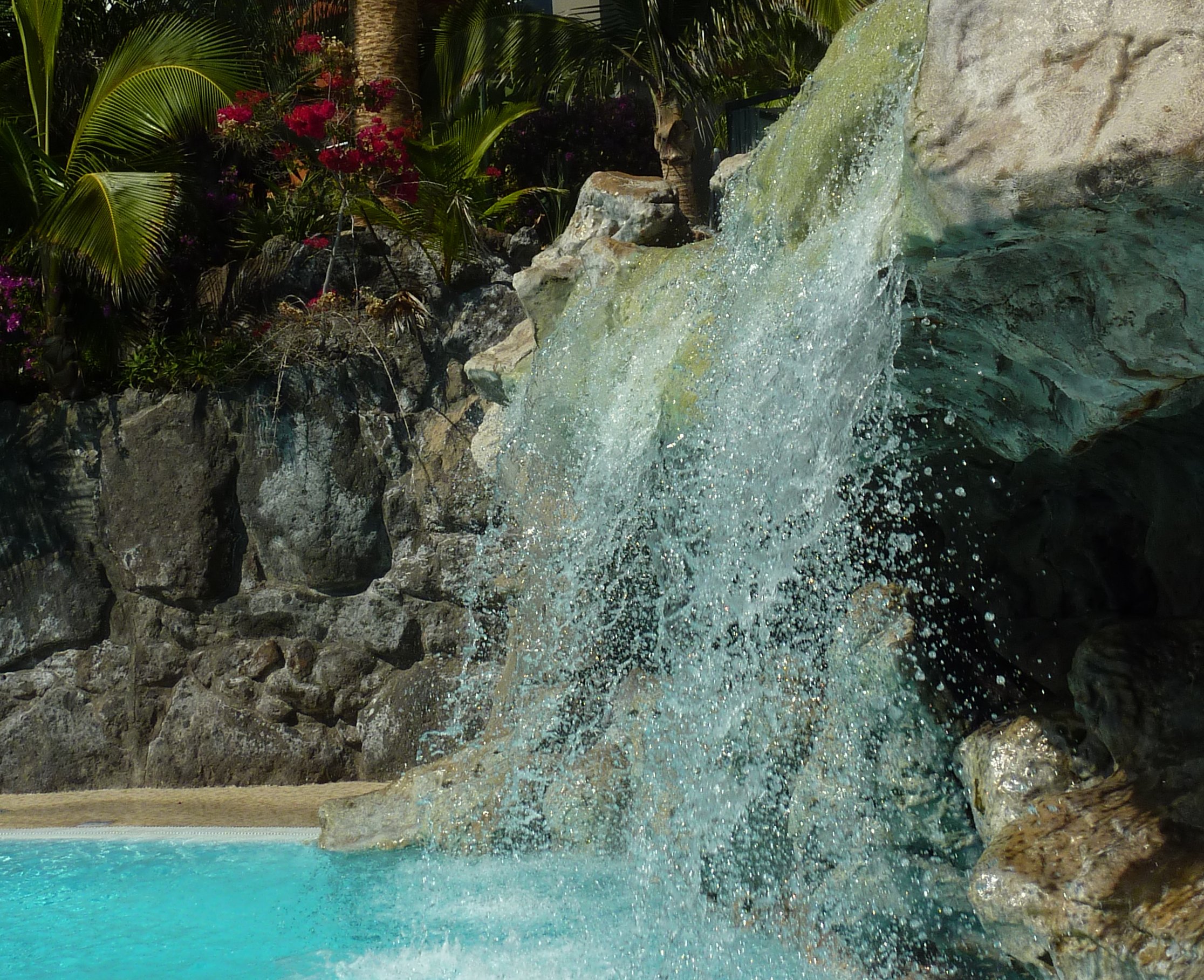
Foto: Maurer, Austria Forum
Waterfall between two levels of pools
Waterfall between two levels of pools
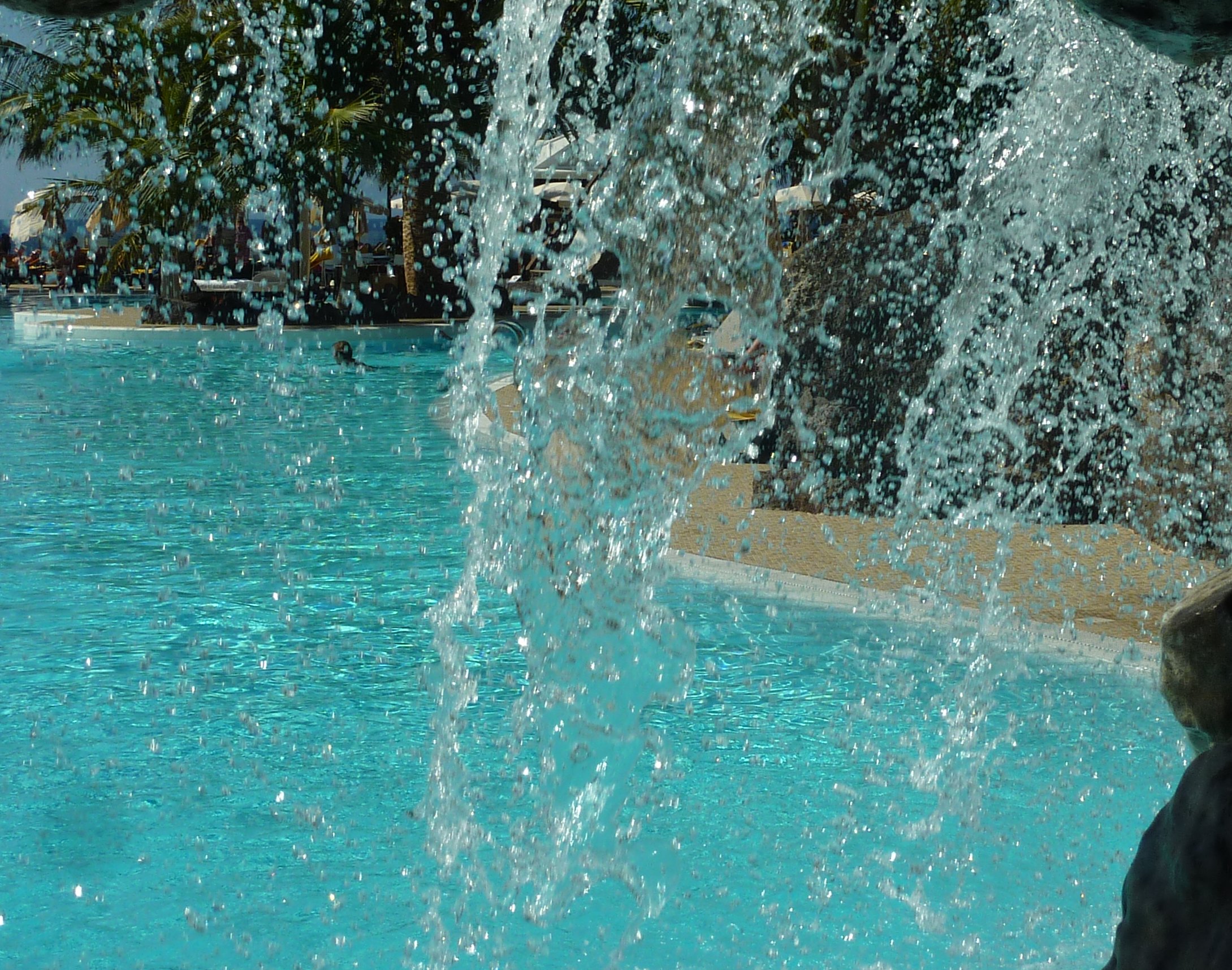
Foto: Maurer, Austria Forum
From cave behind waterfall
From cave behind waterfall
Going up to the caldera of Pico el Teide
Pico el Teide, Tenerifa
and exploring it a bit
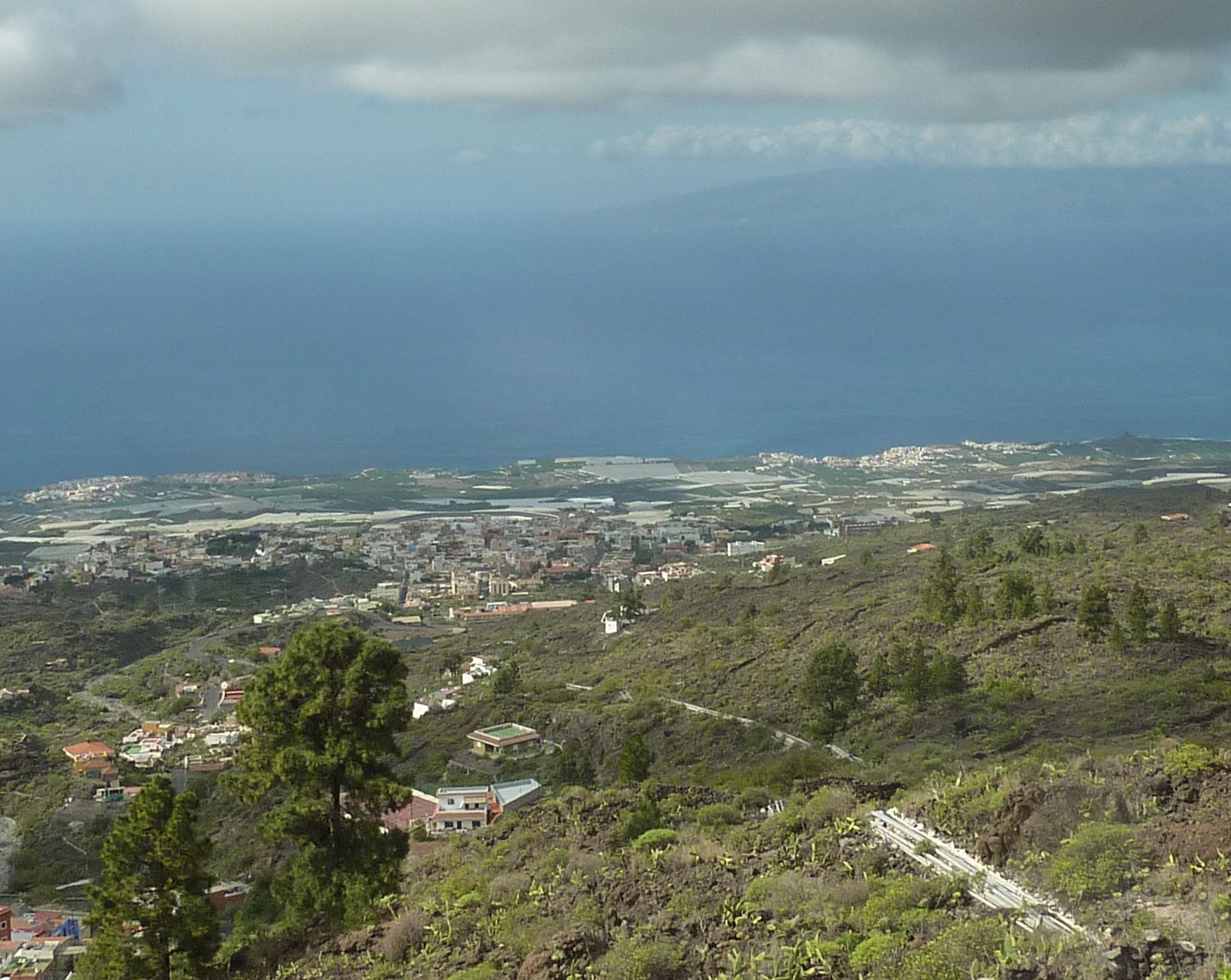
Foto: Maurer, Austria Forum
View from above Chio with edge of Gomera in background
View from above Chio with edge of Gomera in background
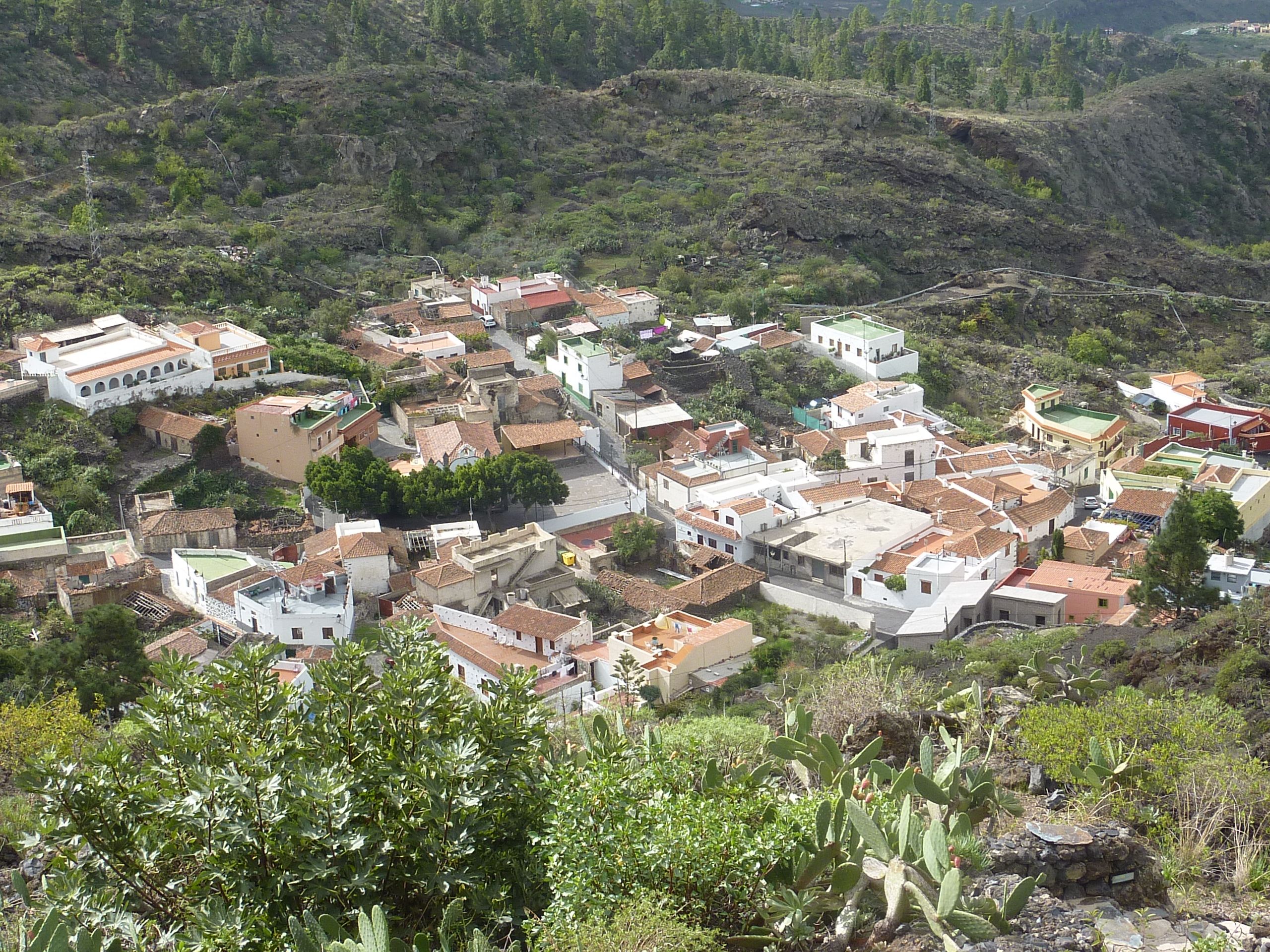
Foto: Maurer, Austria Forum
Old village on the slope Teide
Old village on the slope Teide

Foto: Maurer, Austria Forum
Cacti on the slope of Teide
Cacti on the slope of Teide
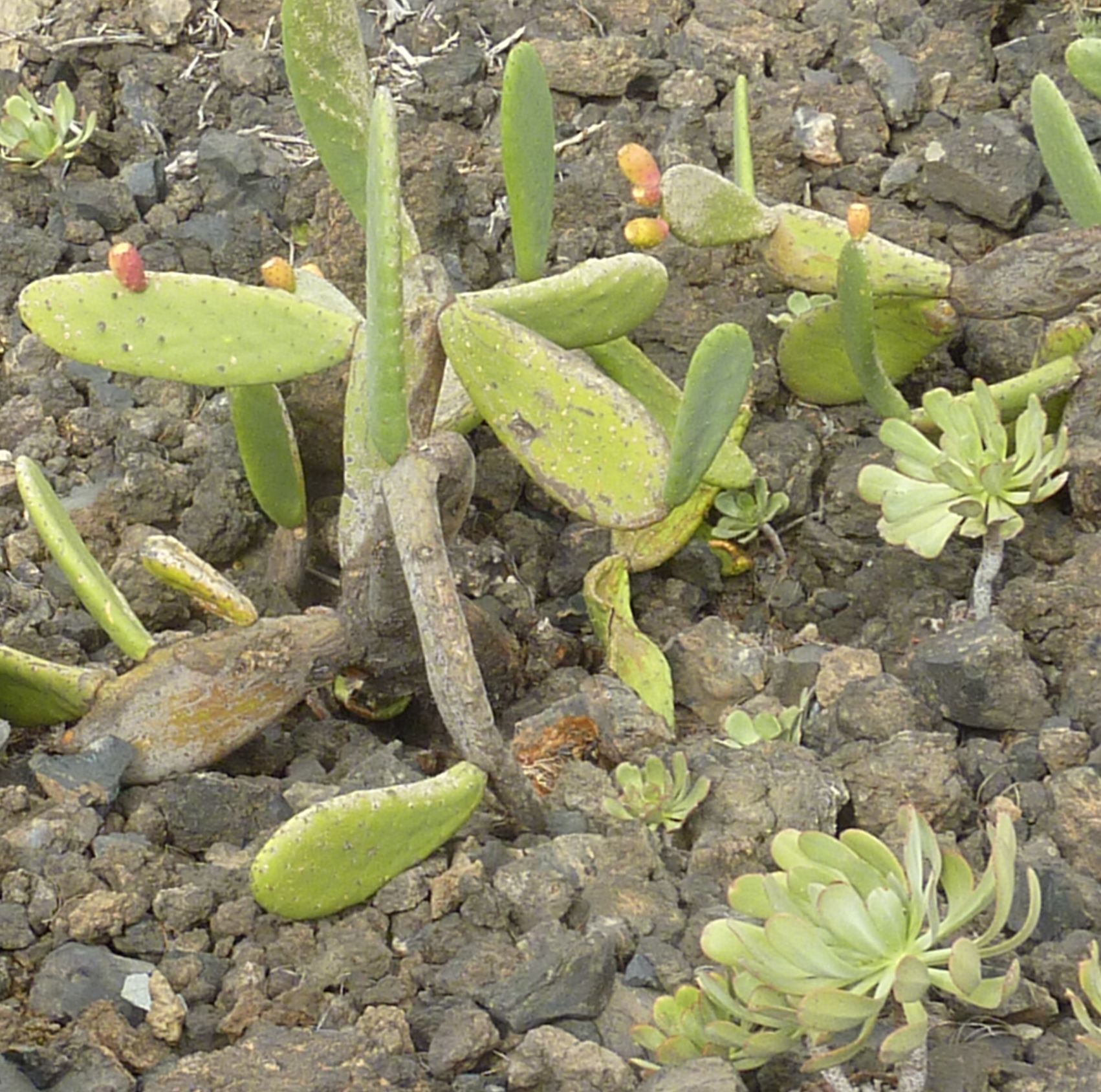
Foto: Maurer, Austria Forum
Cacti growing on lava
Cacti growing on lava

Foto: Maurer, Austria Forum
Pines after fire on lava
Pines after fire on lava
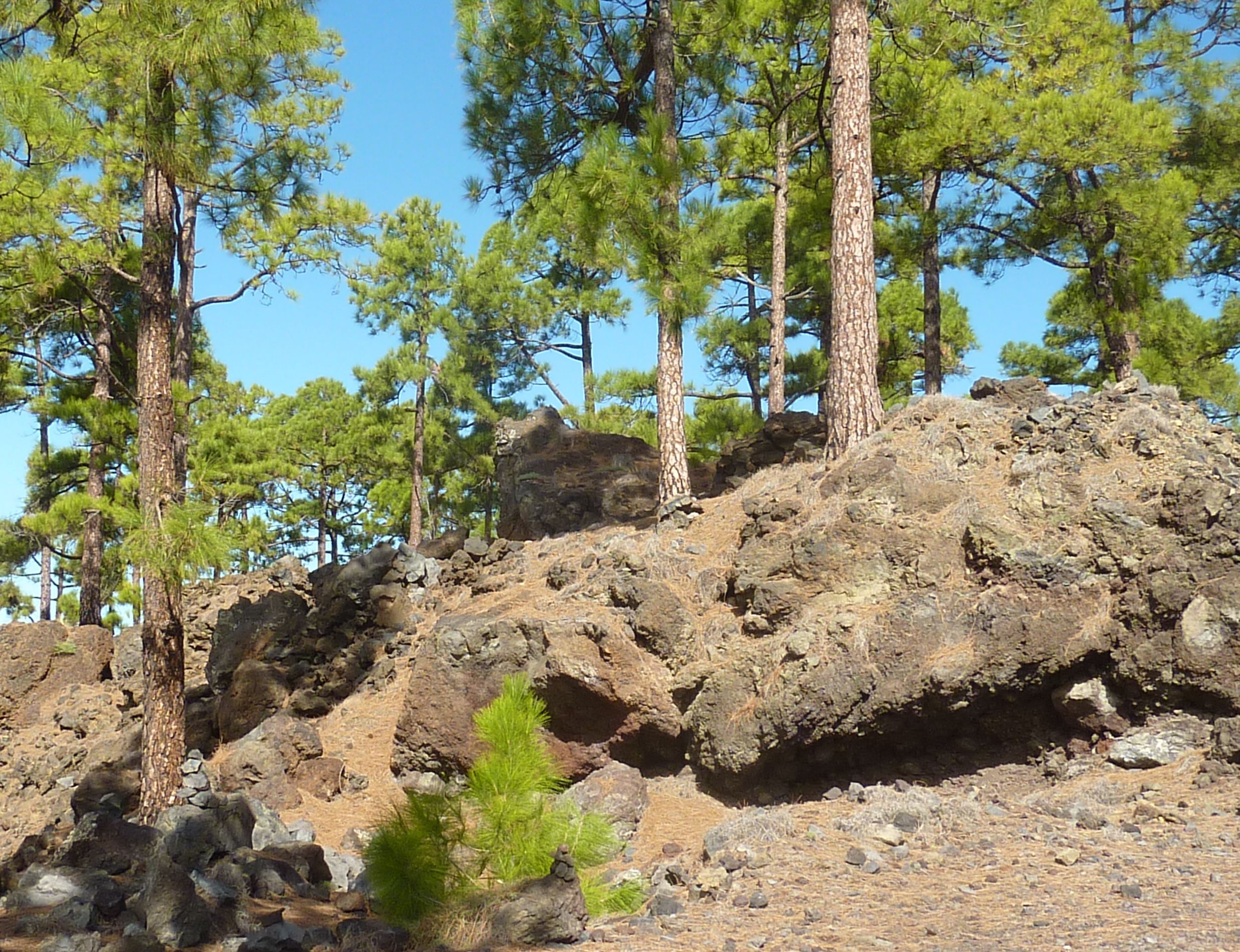
Foto: Maurer, Austria Forum
Pines growing on lava
Pines growing on lava
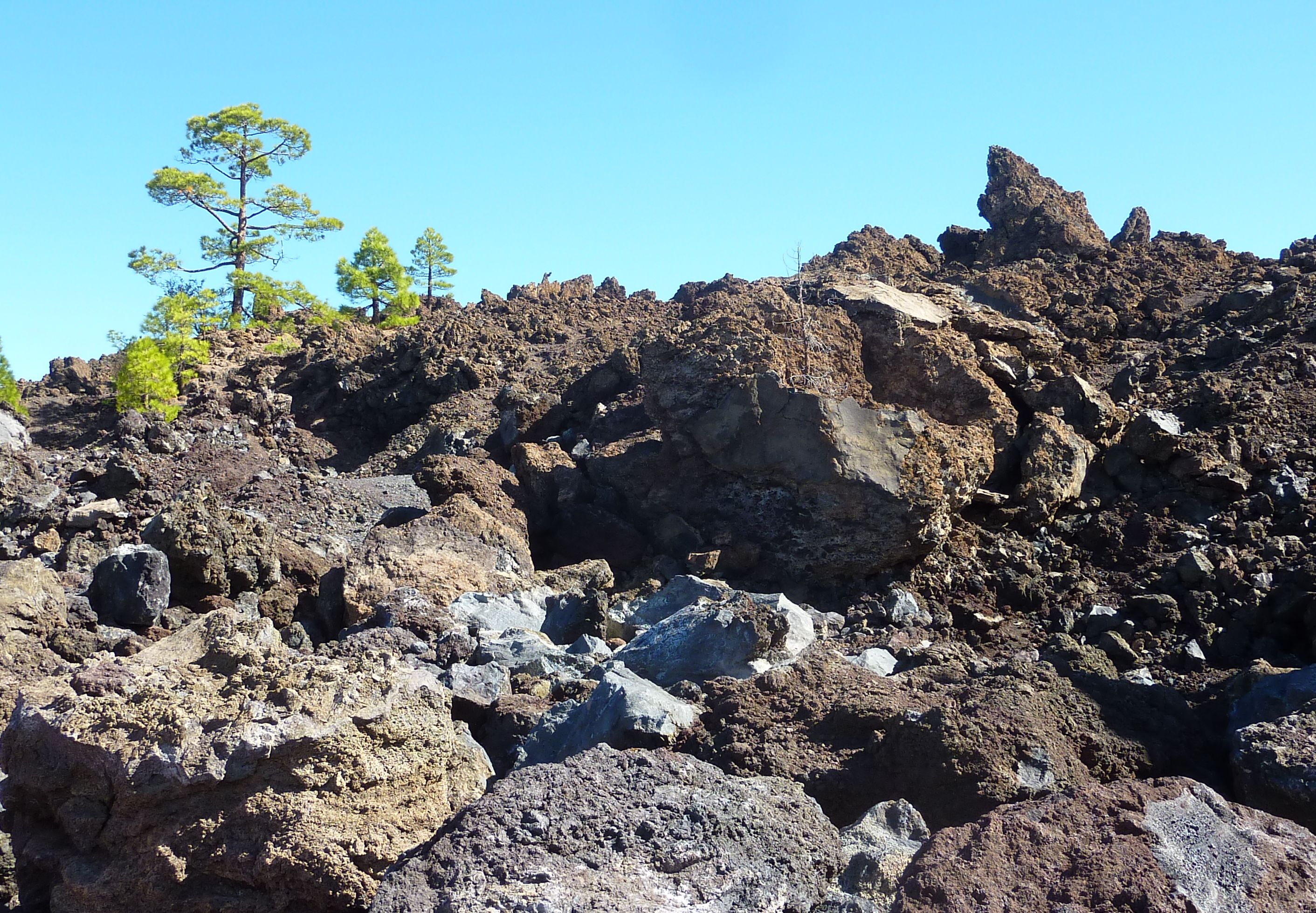
Foto: Maurer, Austria Forum
Lava
Lava

Foto: Maurer, Austria Forum
Incredible where pines grow
Incredible where pines grow
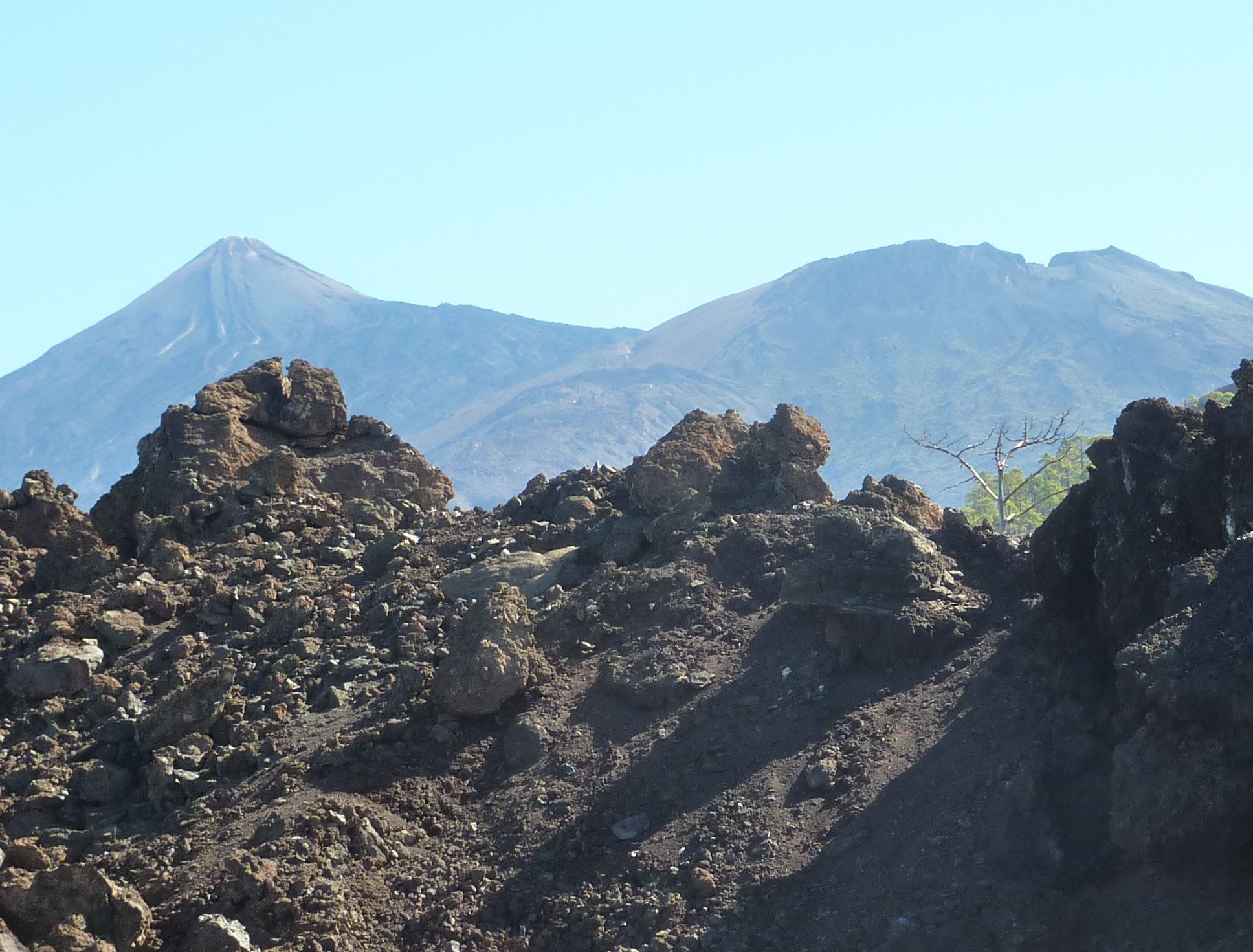
Foto: Maurer, Austria Forum
First view of Pico el Teide at over 3.700 m high
First view of Pico el Teide at over 3.700 m high
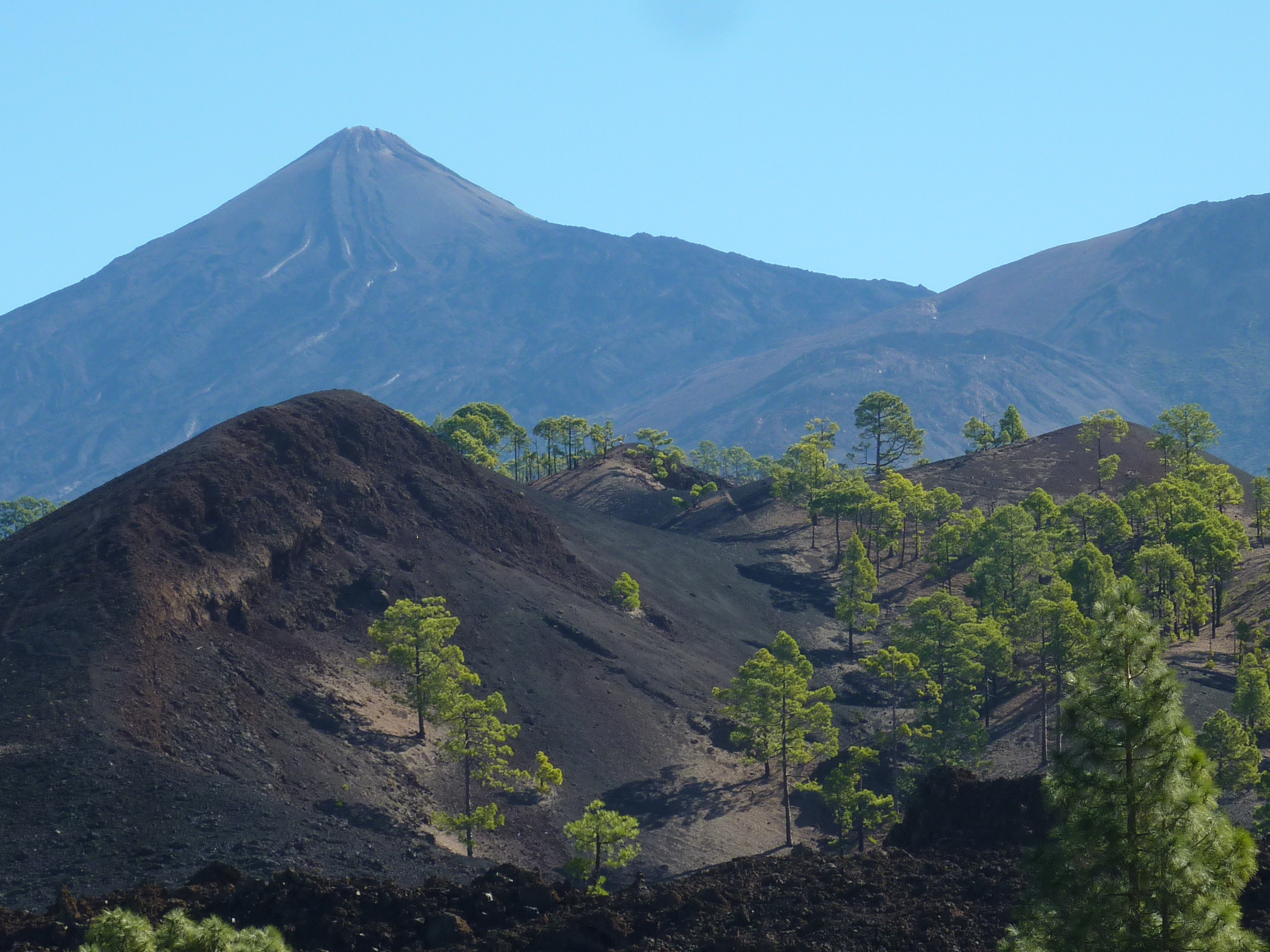
Foto: Maurer, Austria Forum
Teide-from the way up from Chio
Teide-from the way up from Chio
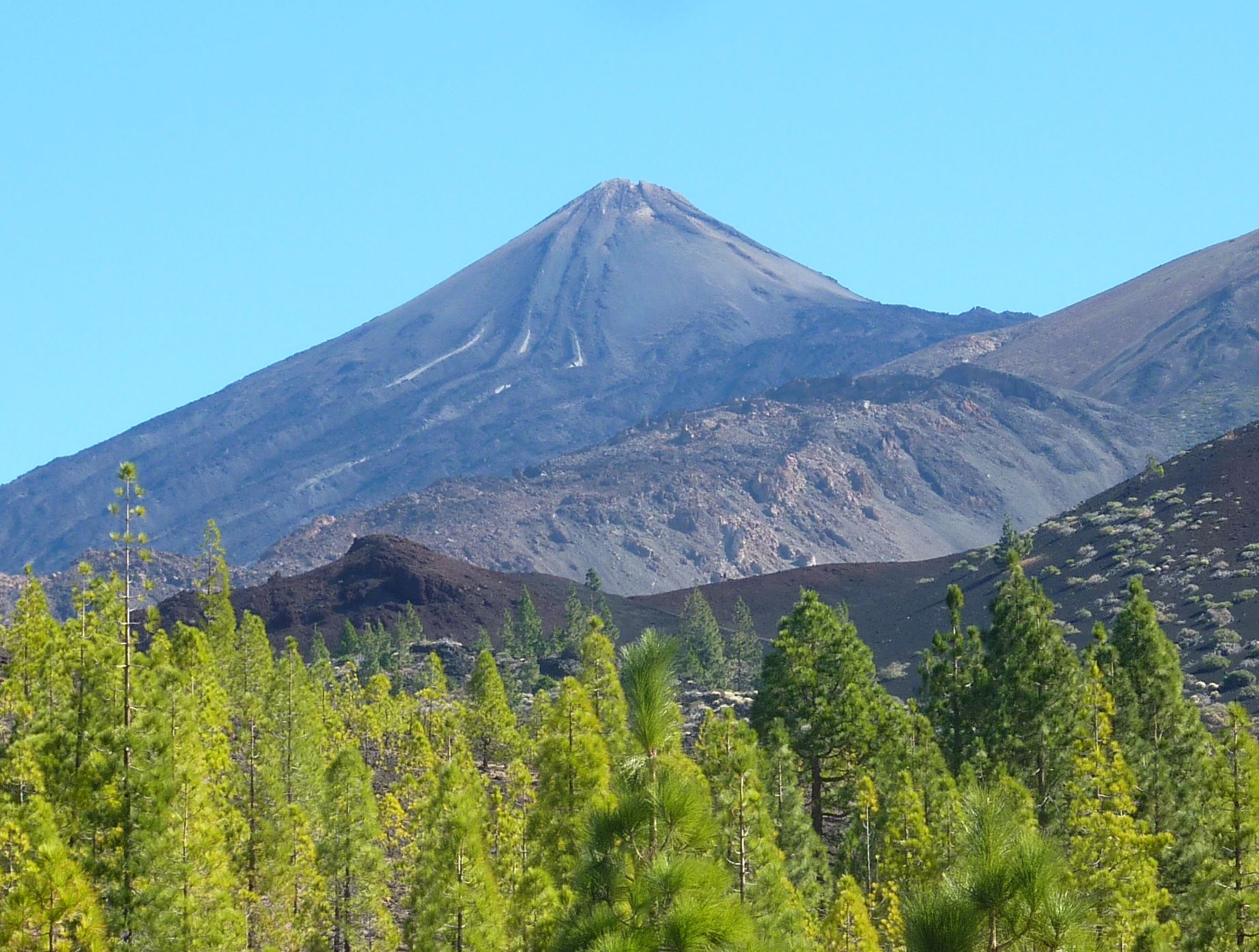
Foto: Maurer, Austria Forum
Teide
Teide
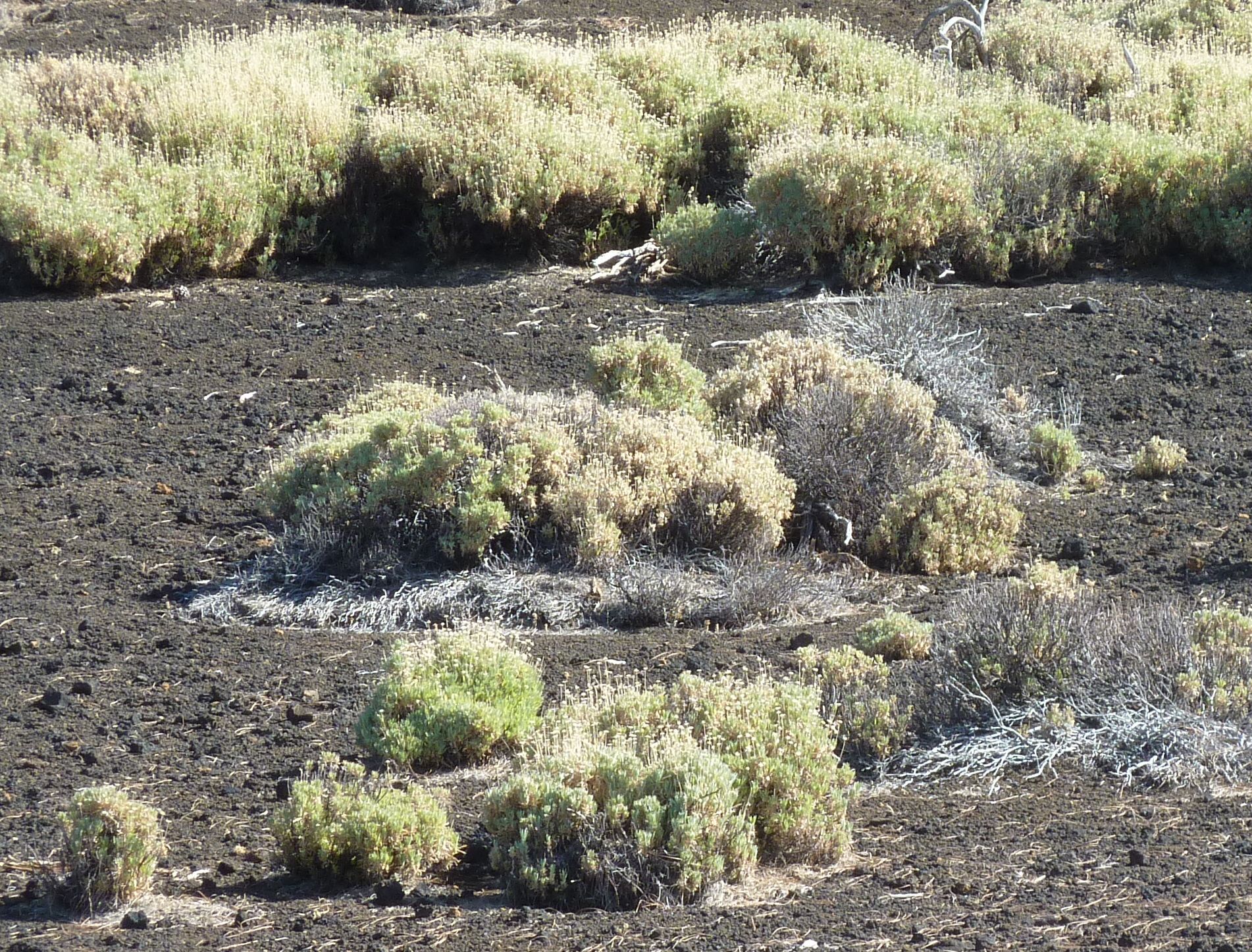
Foto: Maurer, Austria Forum
Dry Vegetation on the slope of Teide
Dry Vegetation on the slope of Teide
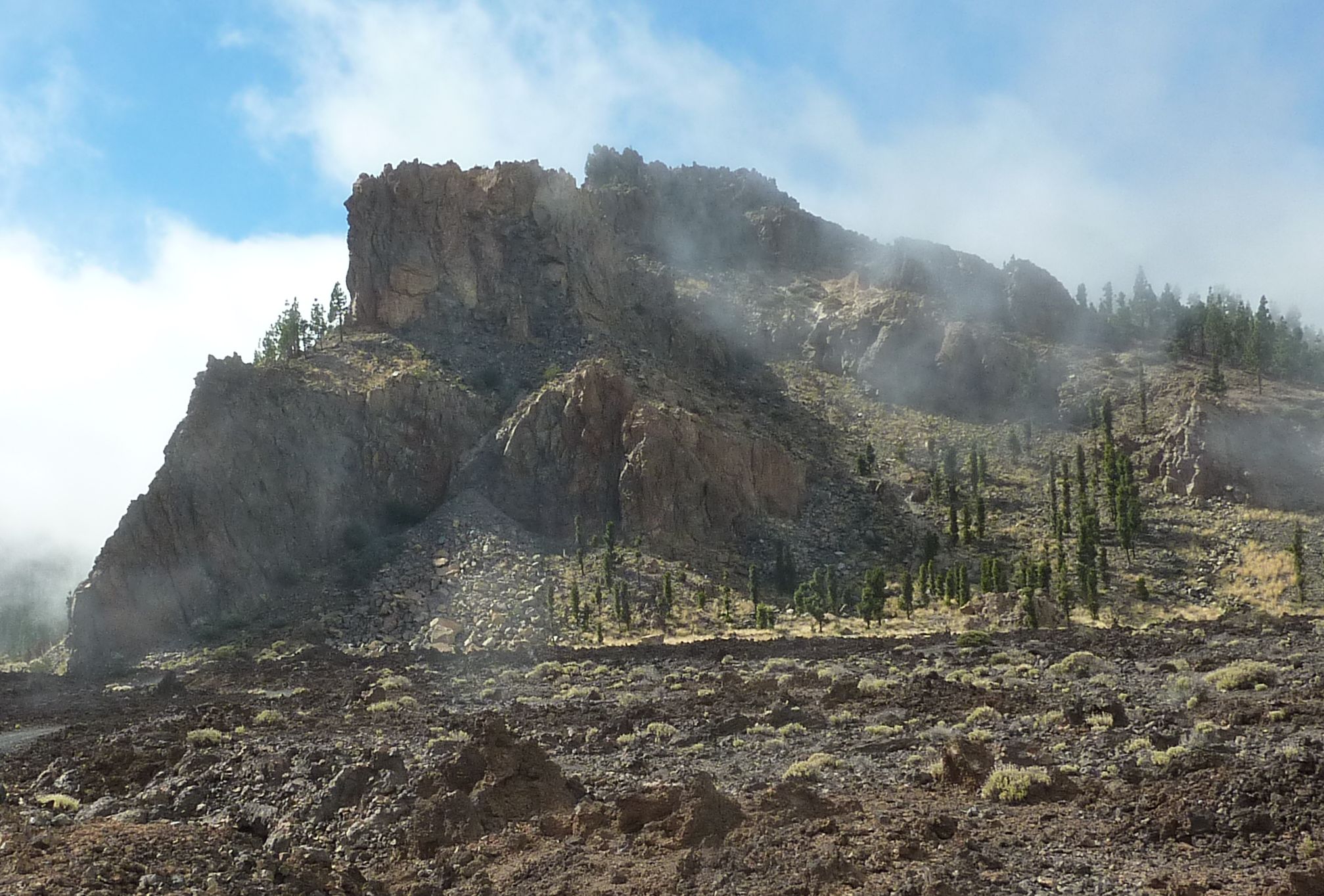
Foto: Maurer, Austria Forum
Impressive Rocks near the road to Teide
Impressive Rocks near the road to Teide

Foto: Maurer, Austria Forum
Rocks in clouds coming from the East coast
Rocks in clouds coming from the East coast
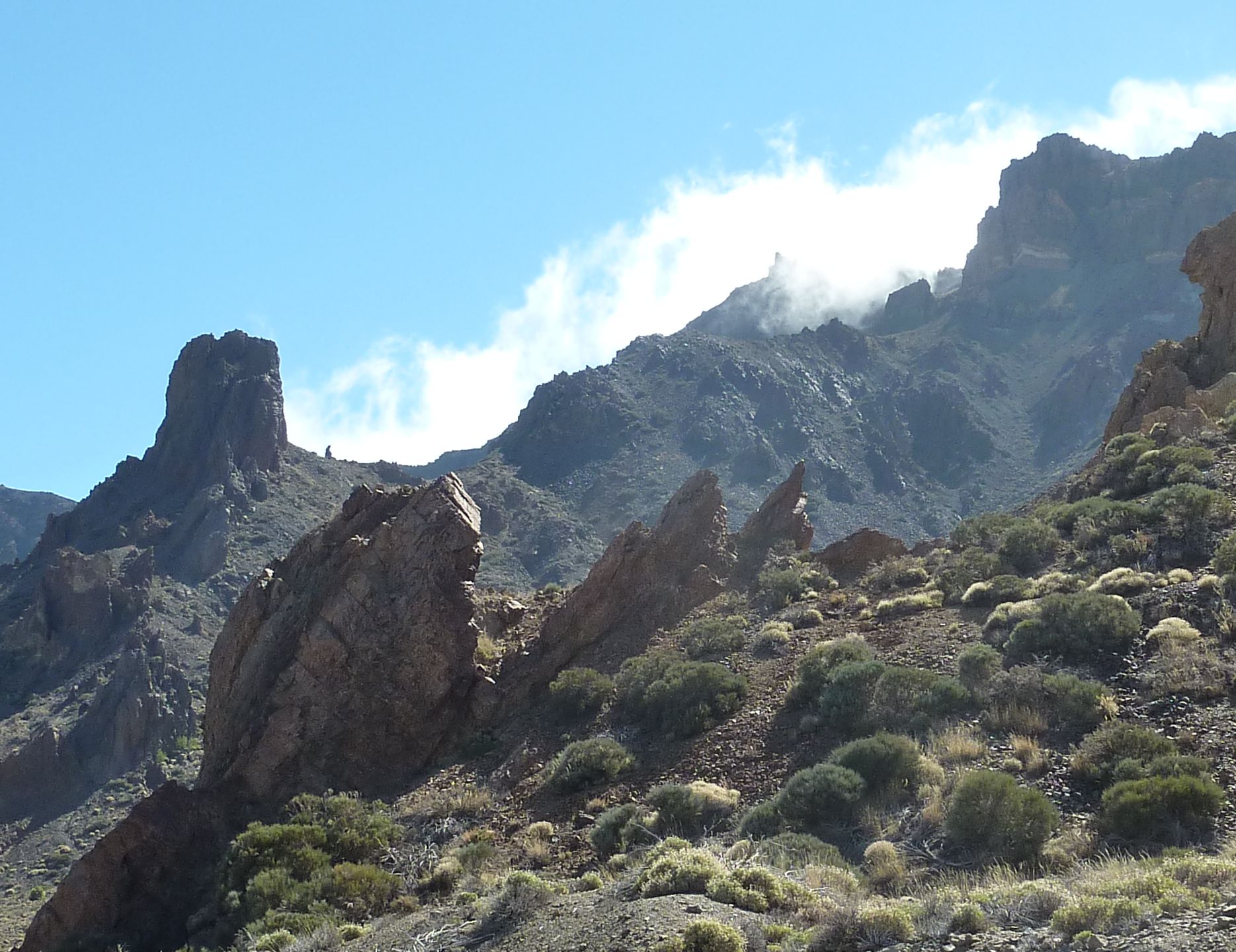
Foto: Maurer, Austria Forum
Impressive rocks on the way to Teide
Impressive rocks on the way to Teide
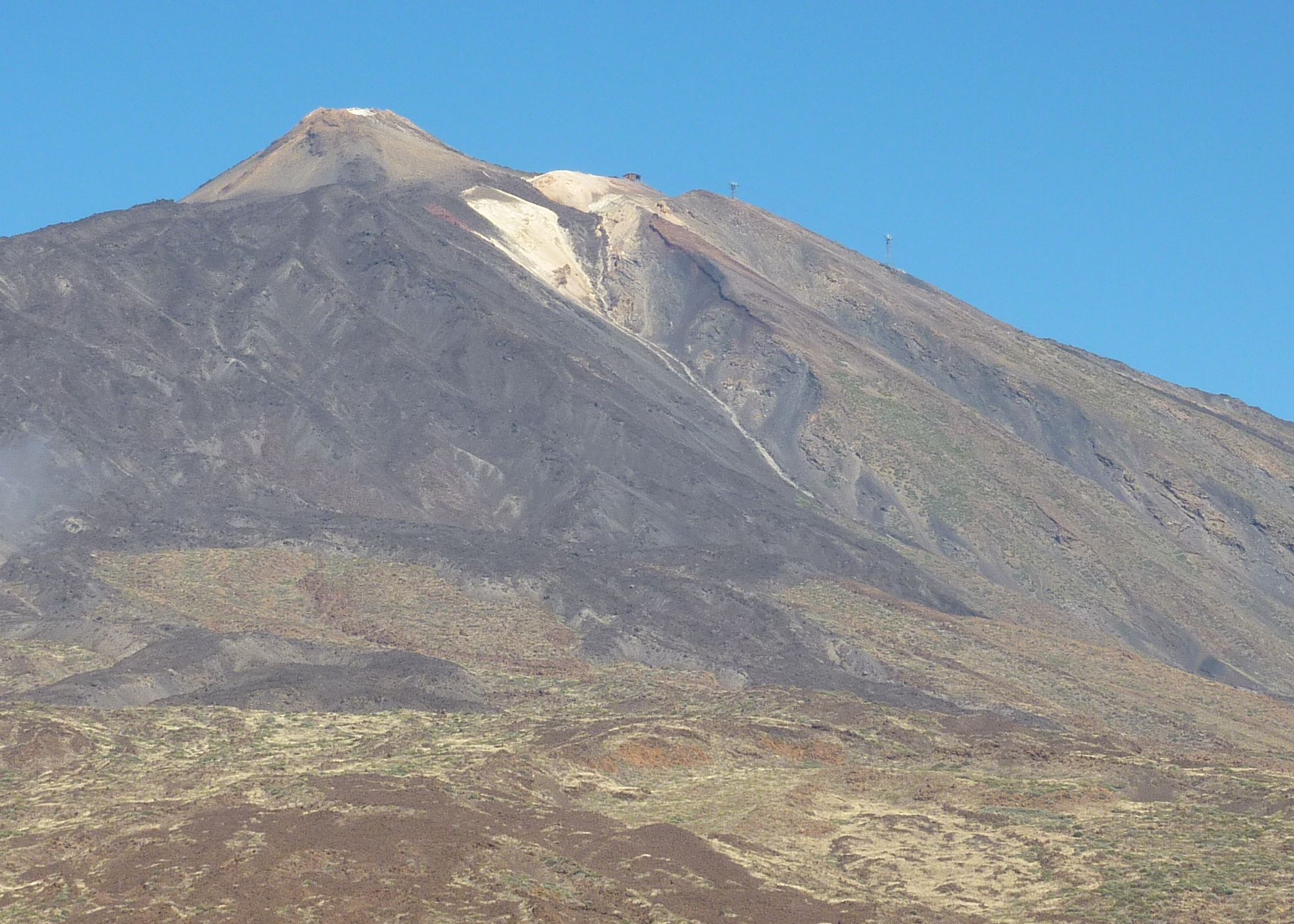
Foto: Maurer, Austria Forum
Teide with cable car- not impressive yet 2000 m altidude from here
Teide with cable car- not impressive yet 2000 m altidude from here
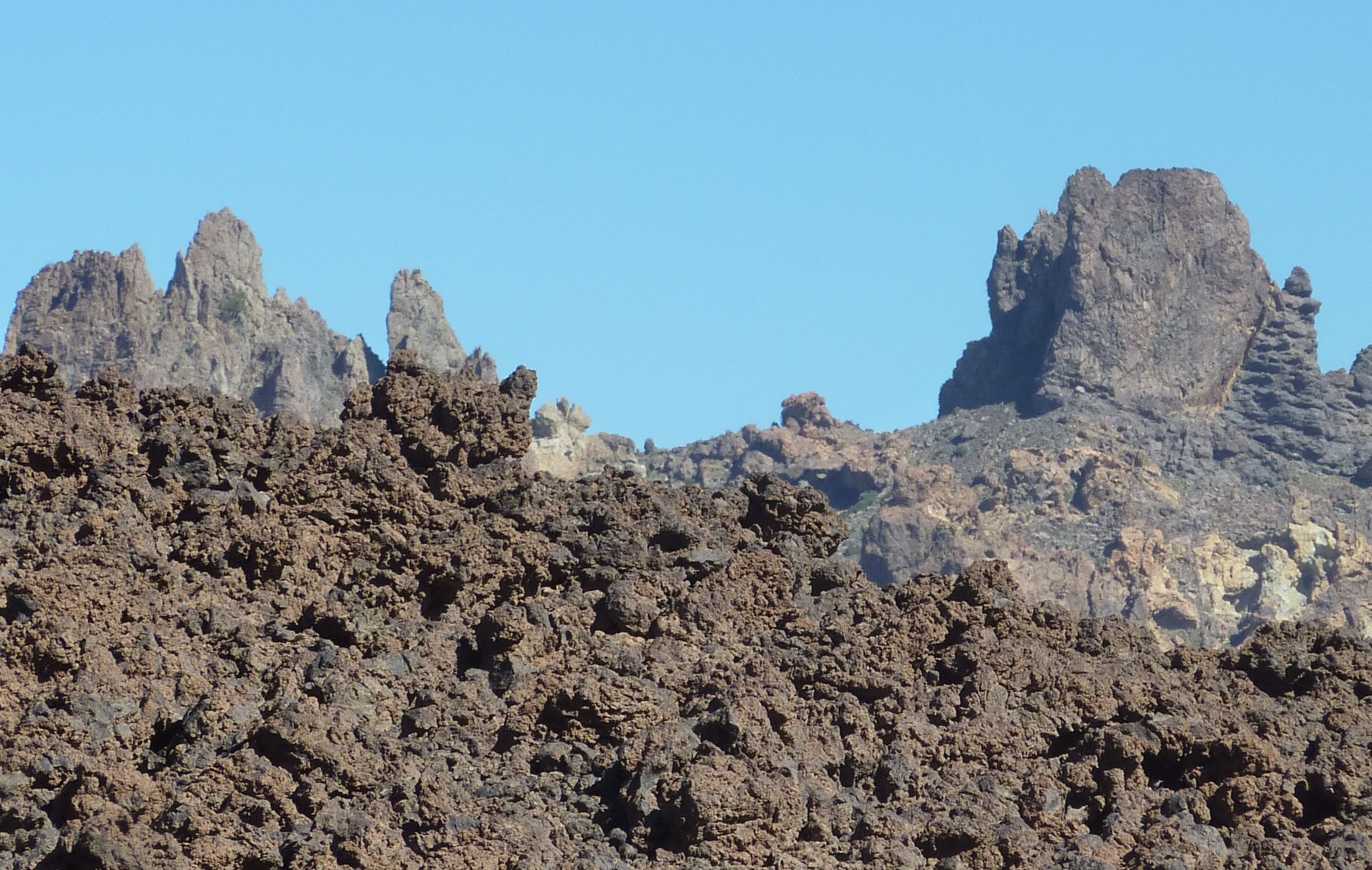
Foto: Maurer, Austria Forum
Moonscape neare base-station of Teide
Moonscape neare base-station of Teide

Foto: Maurer, Austria Forum
Famous rock formation near Paradore of Teide national park
Famous rock formation near Paradore of Teide national park
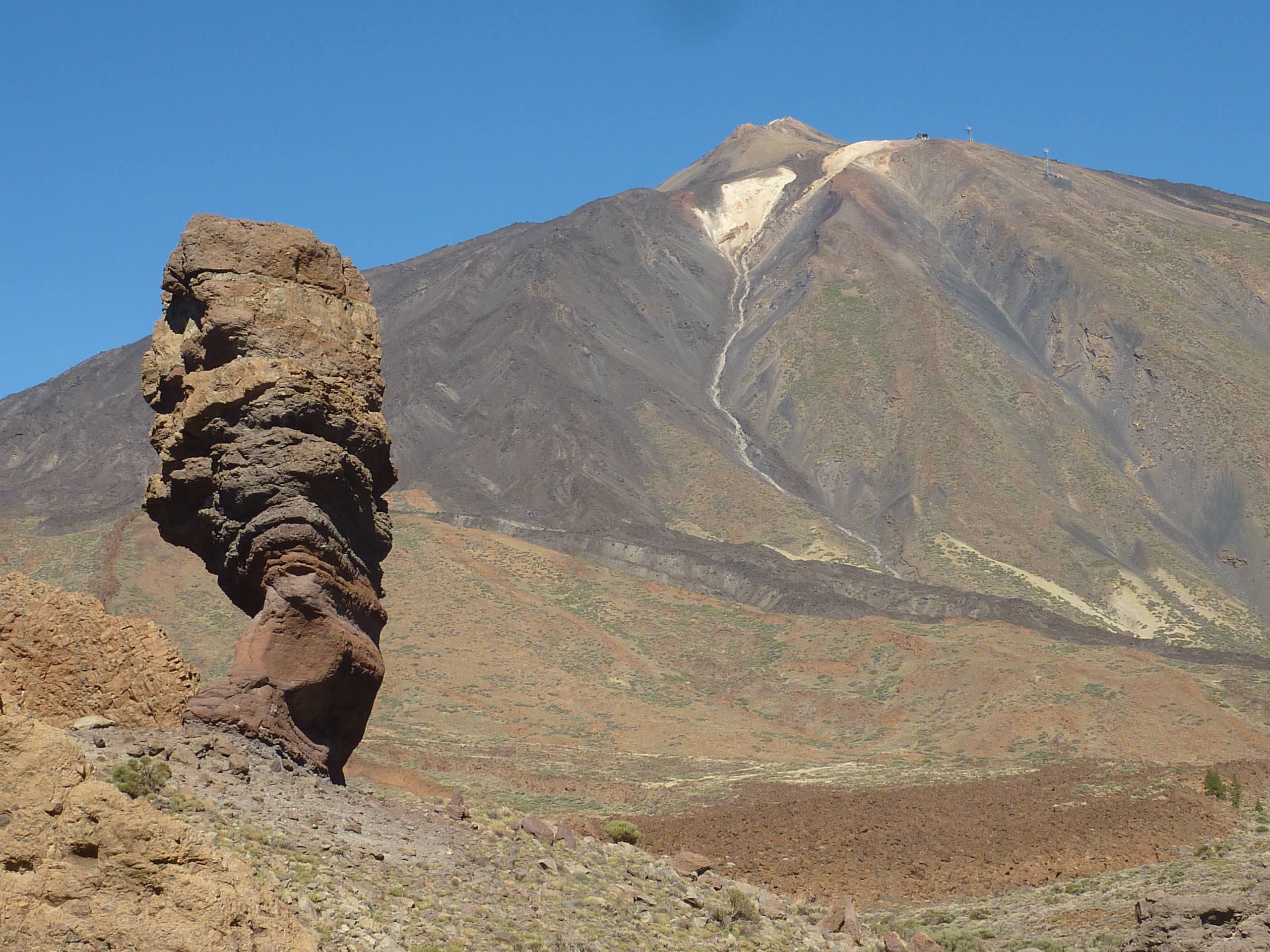
Foto: Maurer, Austria Forum
Famous rock formation near Paradore of Teide national park
Famous rock formation near Paradore of Teide national park
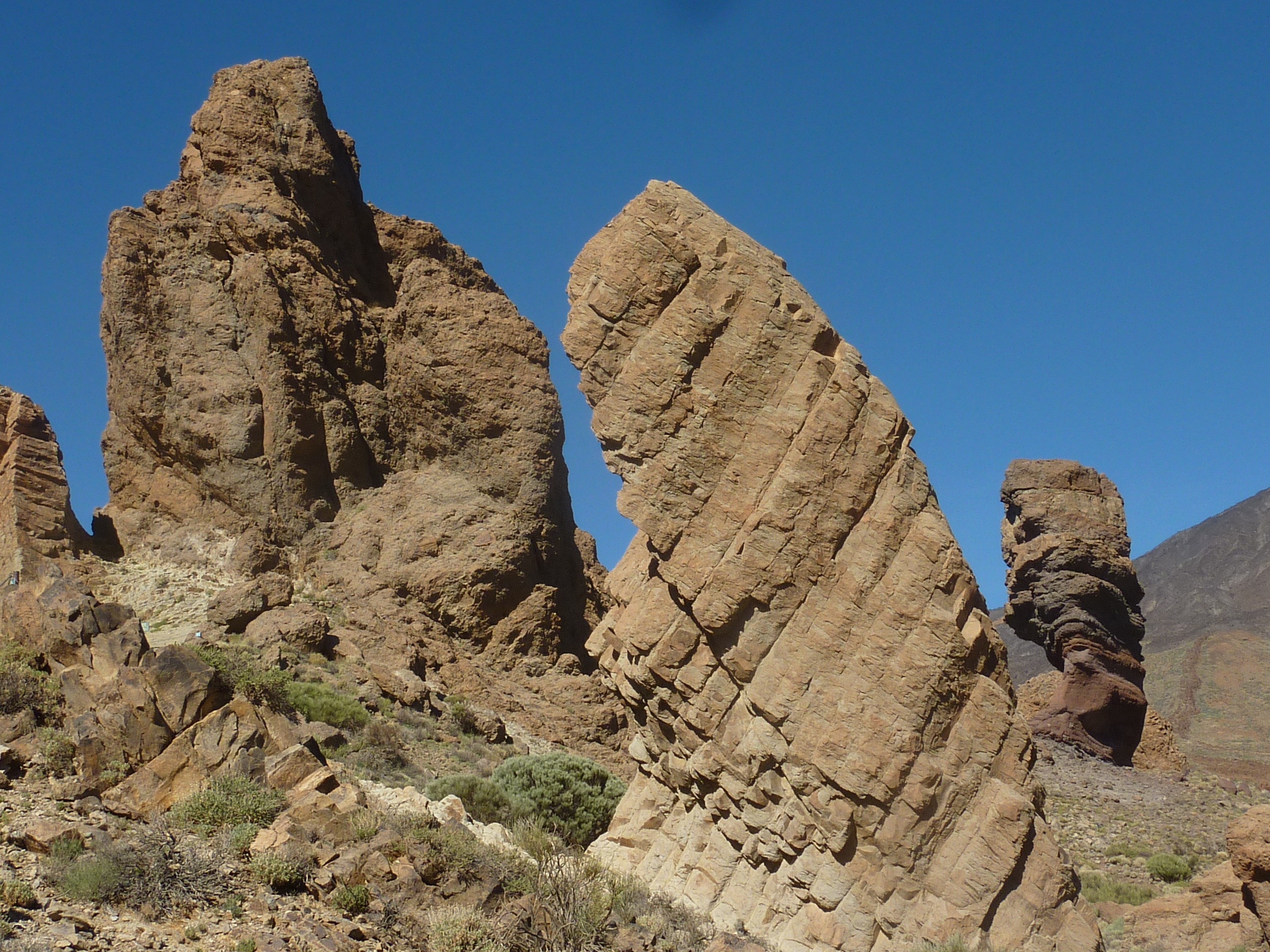
Foto: Maurer, Austria Forum
Famous rock formation near Paradore of Teide national park
Famous rock formation near Paradore of Teide national park
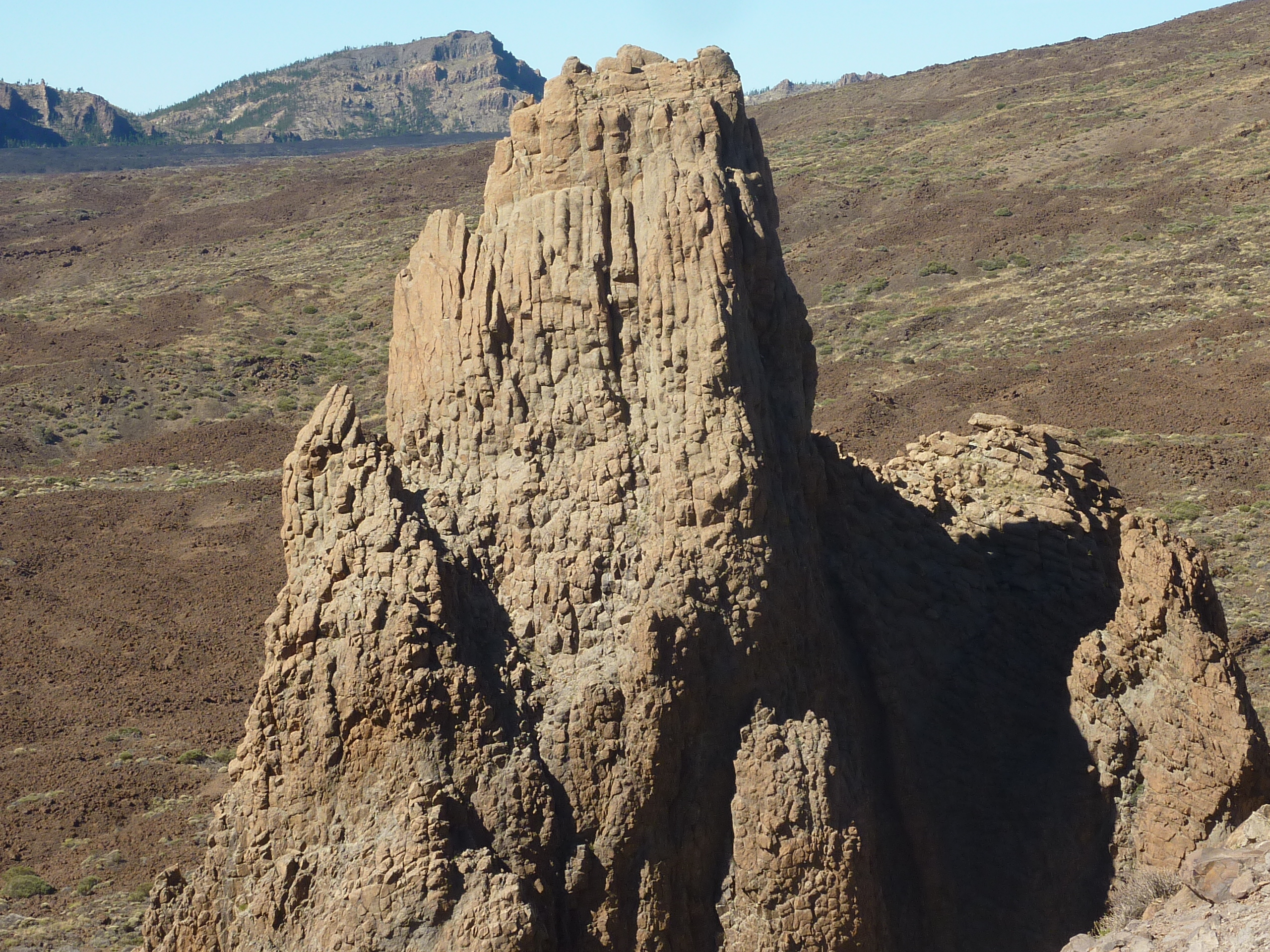
Foto: Maurer, Austria Forum
Famous rock formation near Paradore of Teide national park
Famous rock formation near Paradore of Teide national park
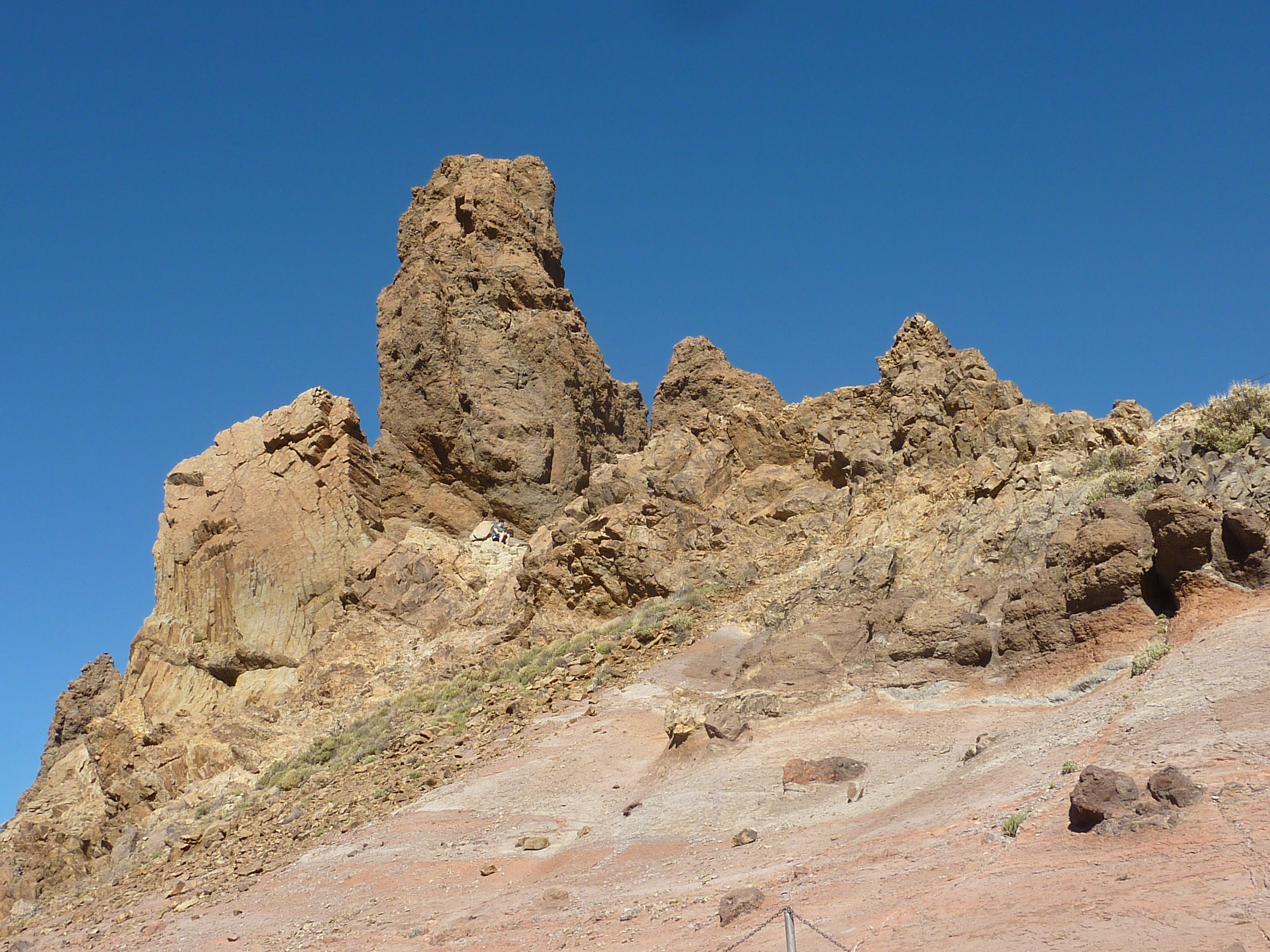
Foto: Maurer, Austria Forum
Famous rock formation near Paradore of Teide national park
Famous rock formation near Paradore of Teide national park
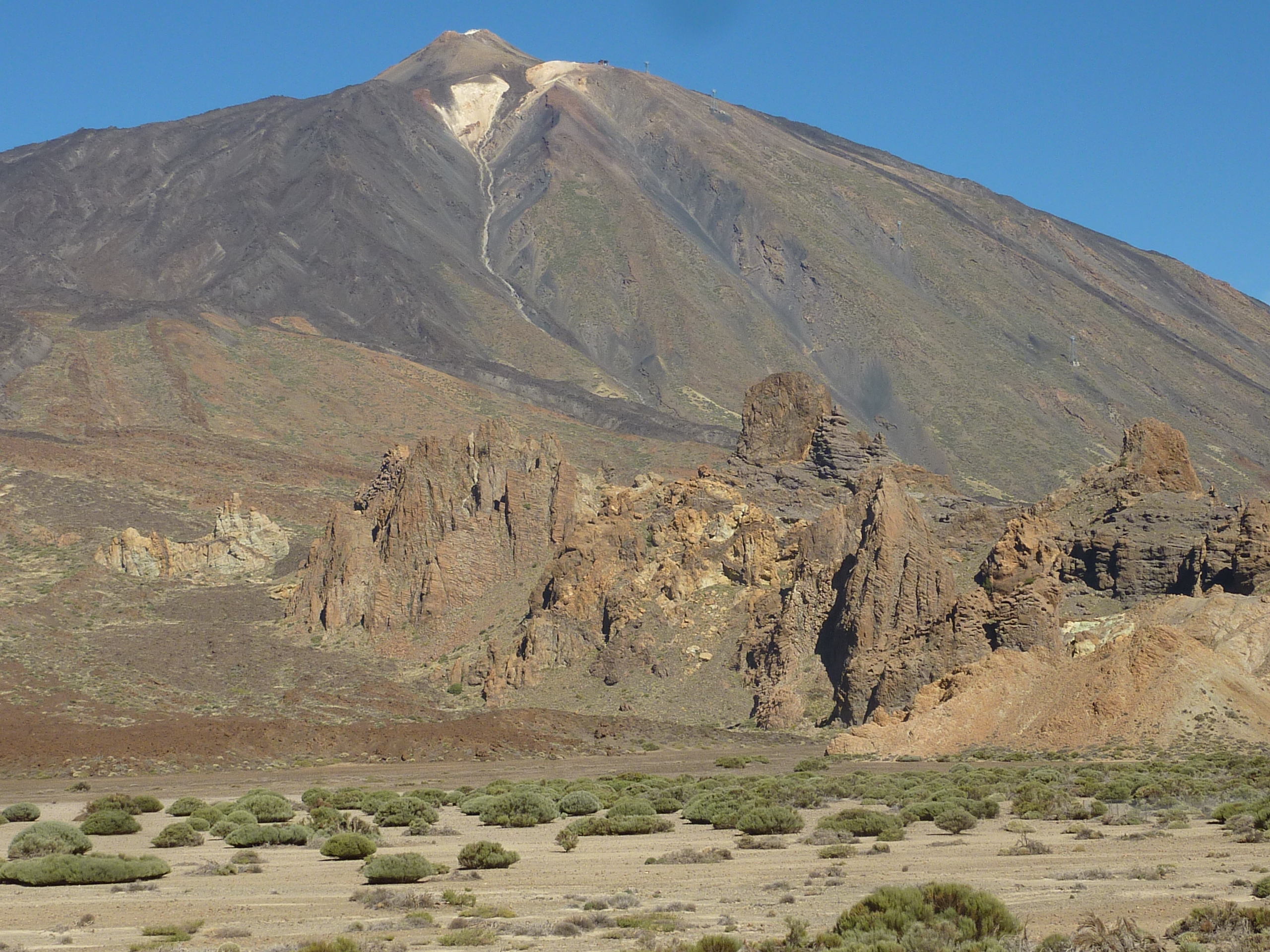
Foto: Maurer, Austria Forum
Teide
Teide
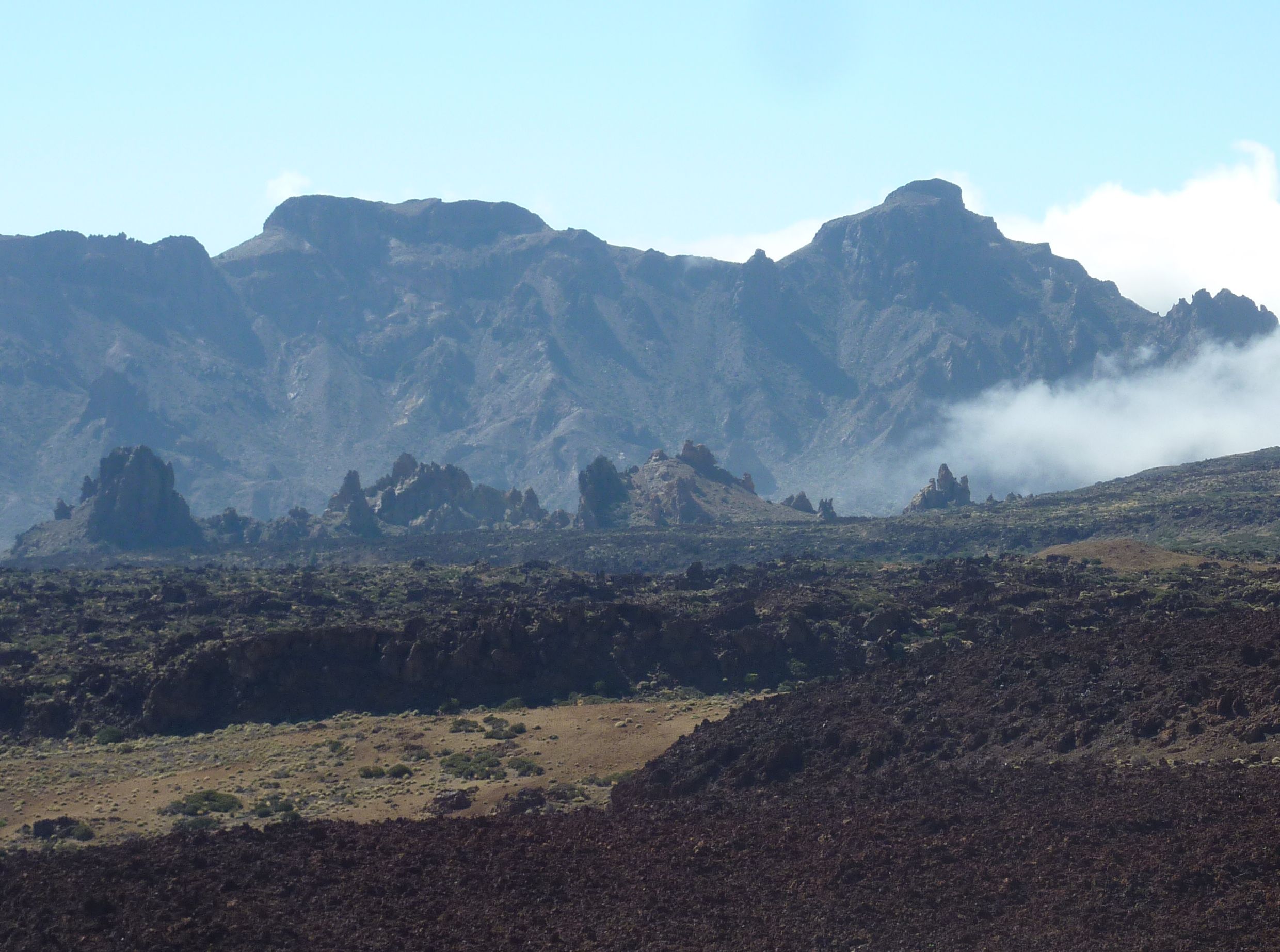
Foto: Maurer, Austria Forum
Looking back from visitor center
Looking back from visitor center
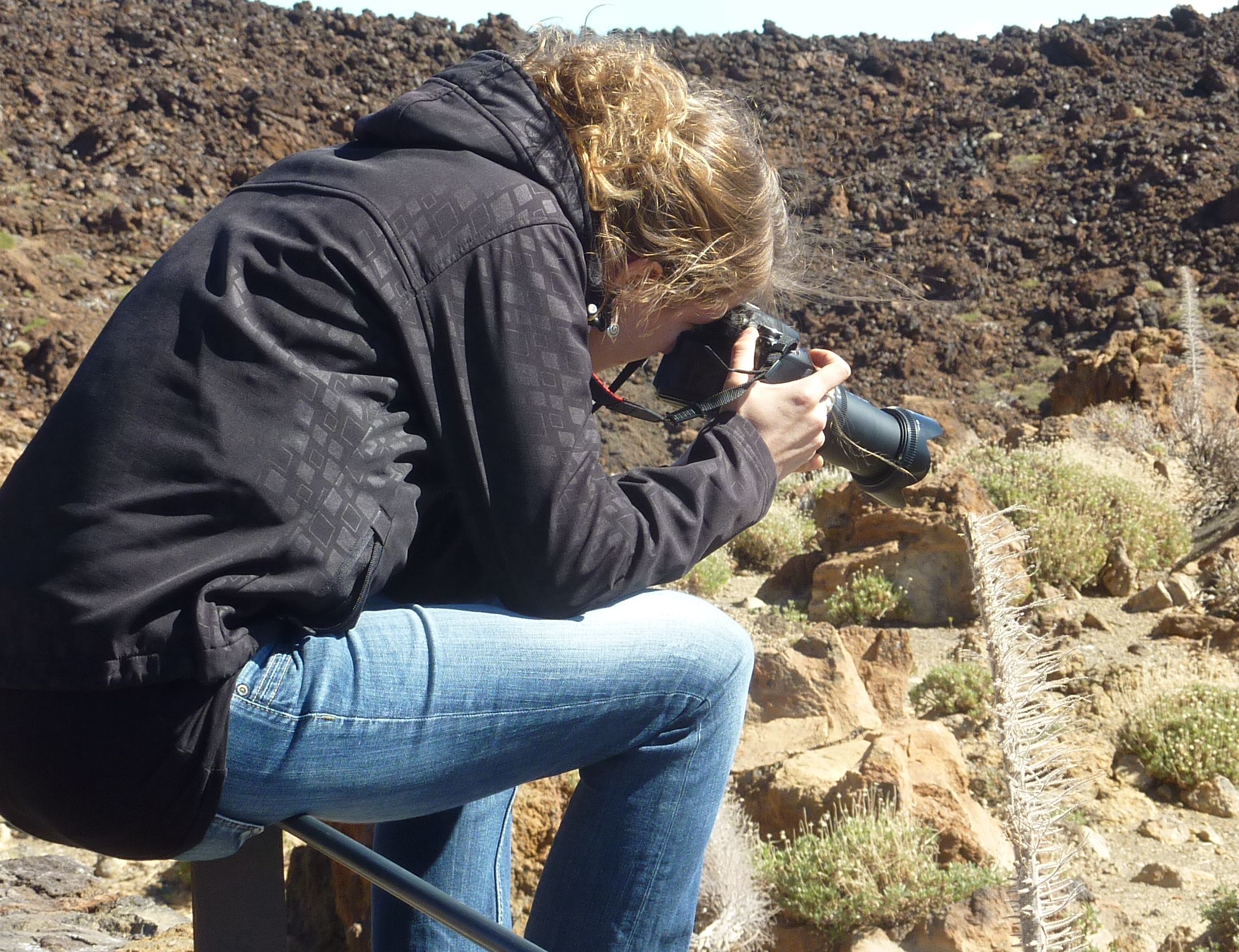
Foto: Maurer, Austria Forum
Young plant lover taking close up of skeleton of dried plant
Young plant lover taking close up of skeleton of dried plant
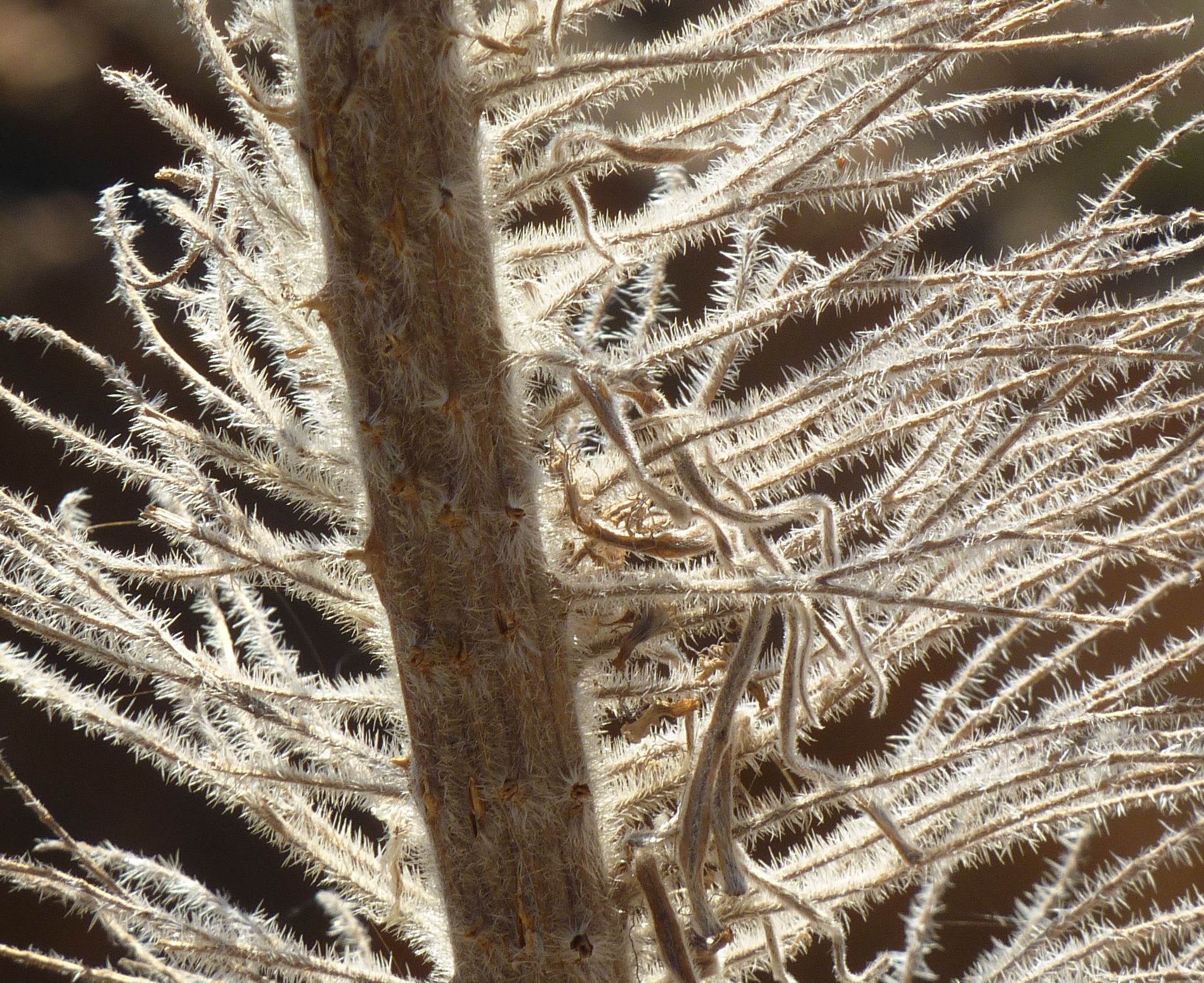
Foto: Maurer, Austria Forum
The close-up at issue
The close-up at issue
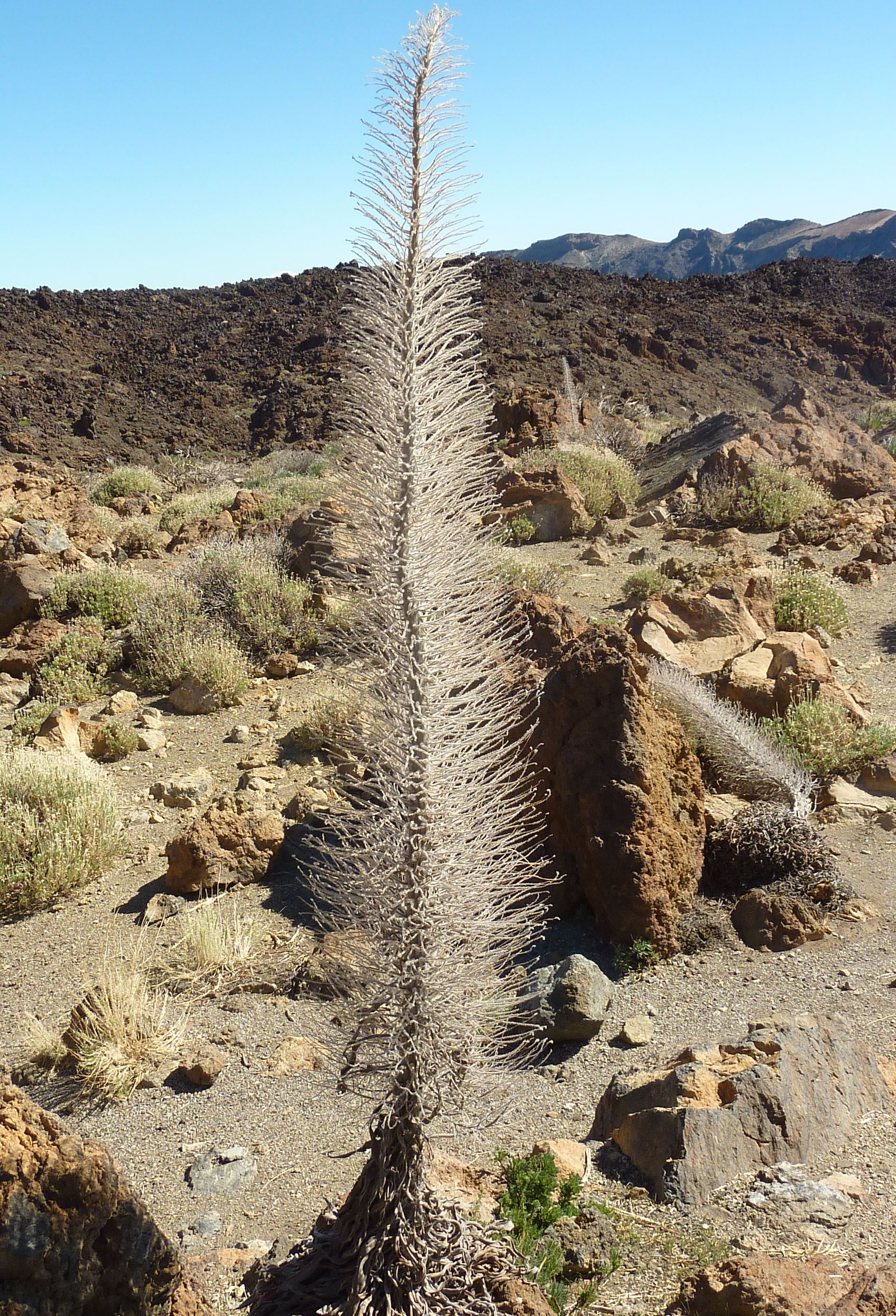
Foto: Maurer, Austria Forum
The plant at issue
The plant at issue
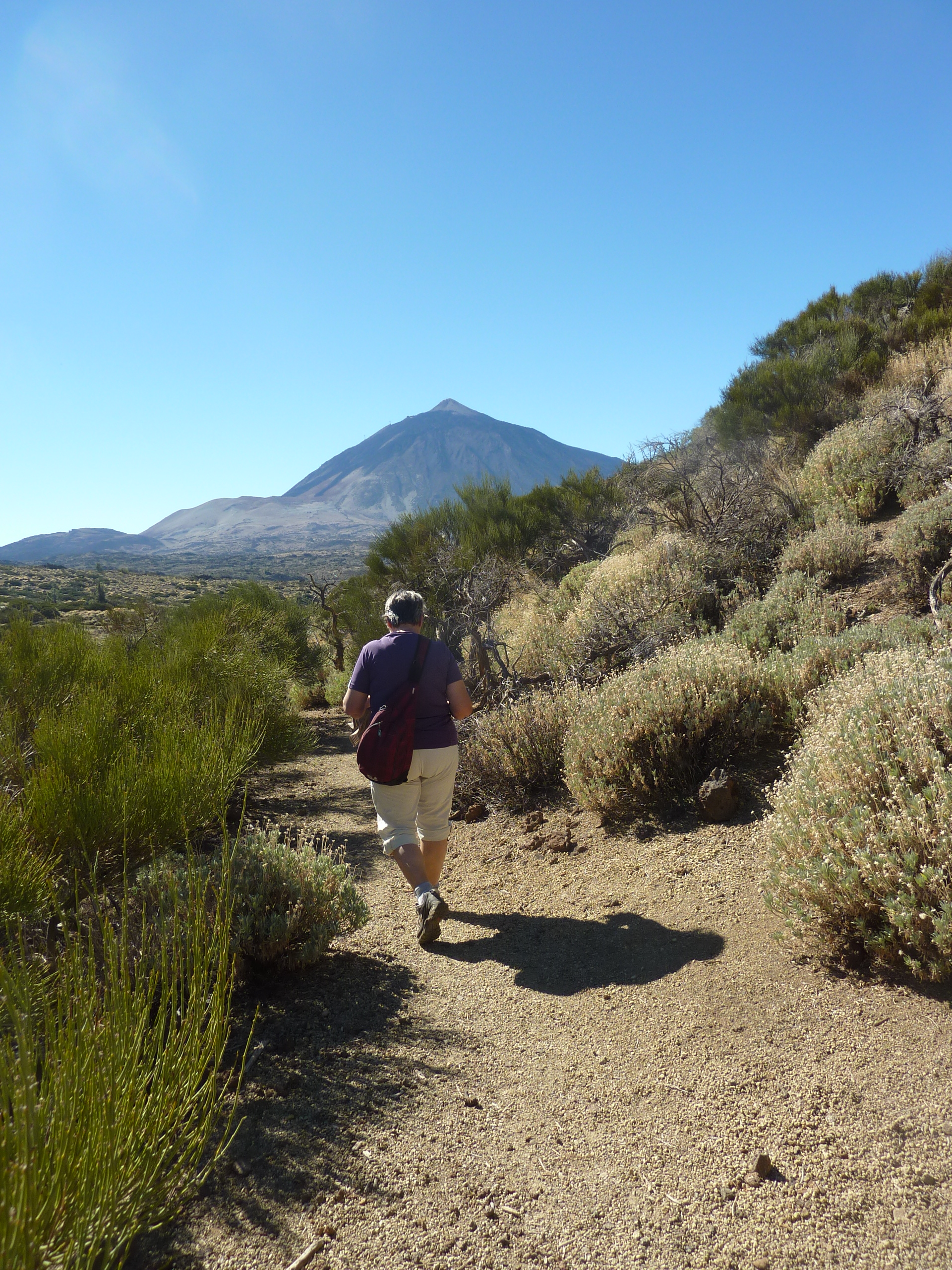
Foto: Maurer, Austria Forum
On trail around Guamsao Mountain in Teide National Park
On trail around Guamsao Mountain in Teide National Park
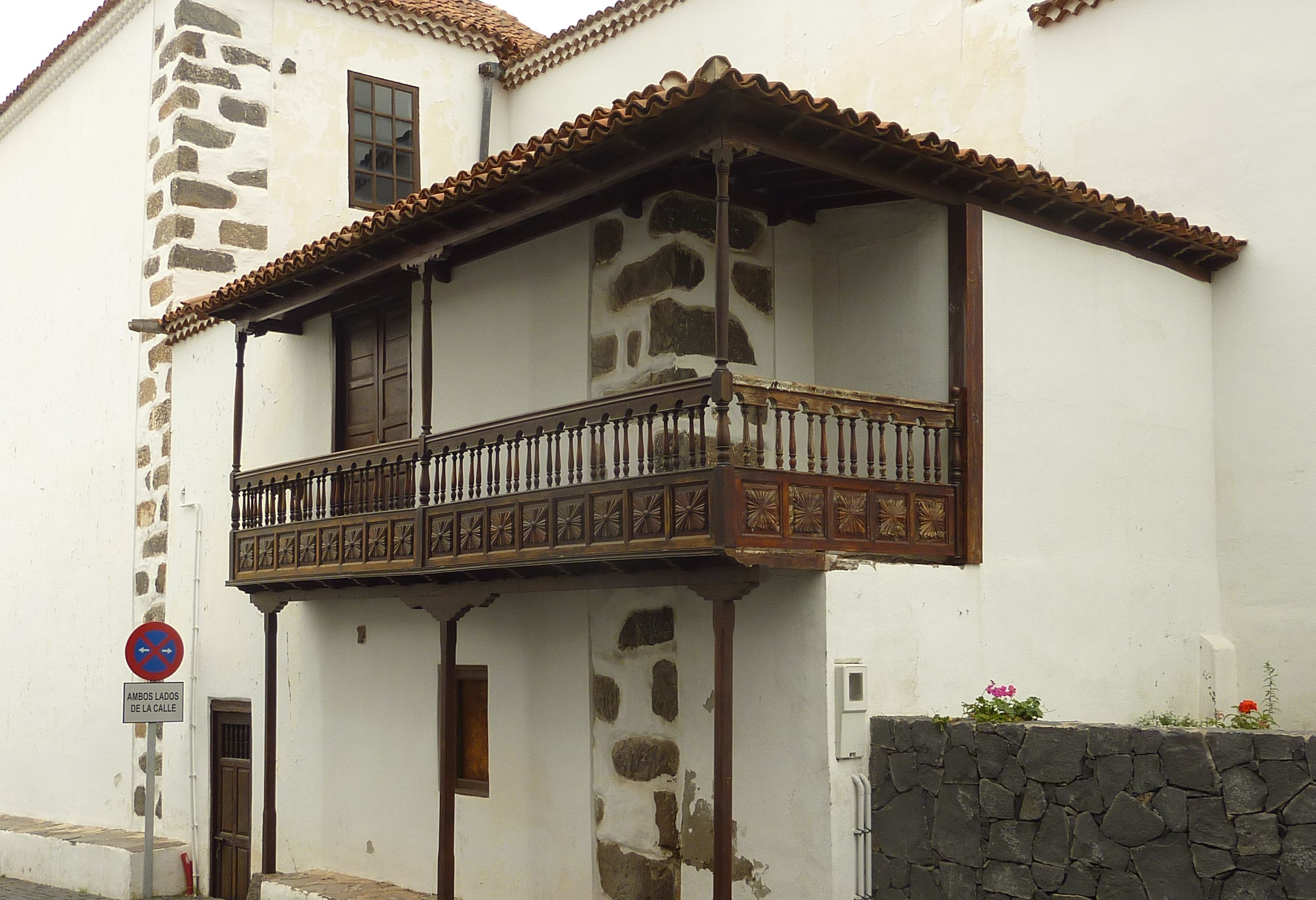
Foto: Maurer, Austria Forum
House in Vilaflor, a village on the way down direction SE
House in Vilaflor, a village on the way down direction SE
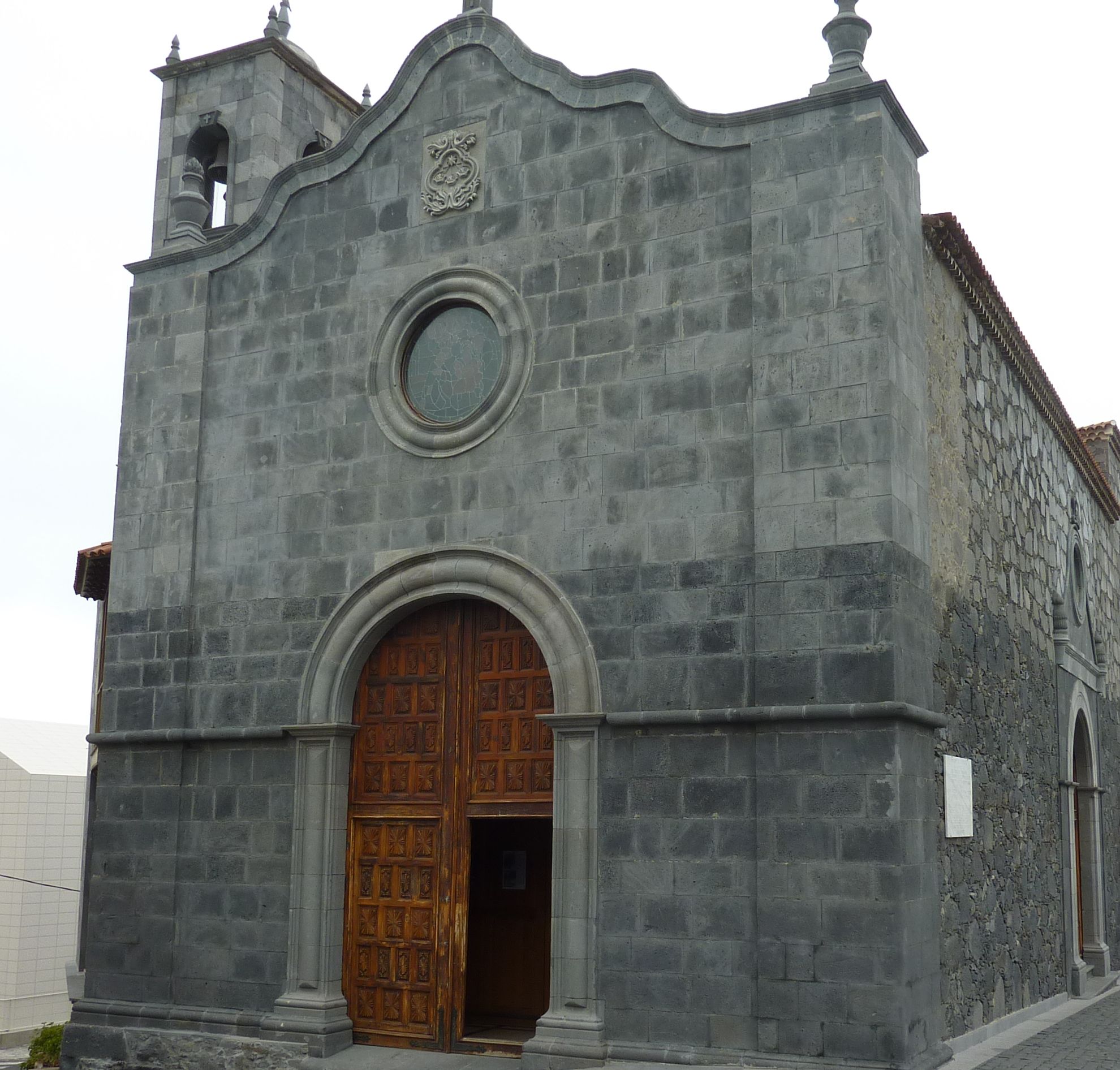
Foto: Maurer, Austria Forum
Chapel in Vilaflor
Chapel in Vilaflor
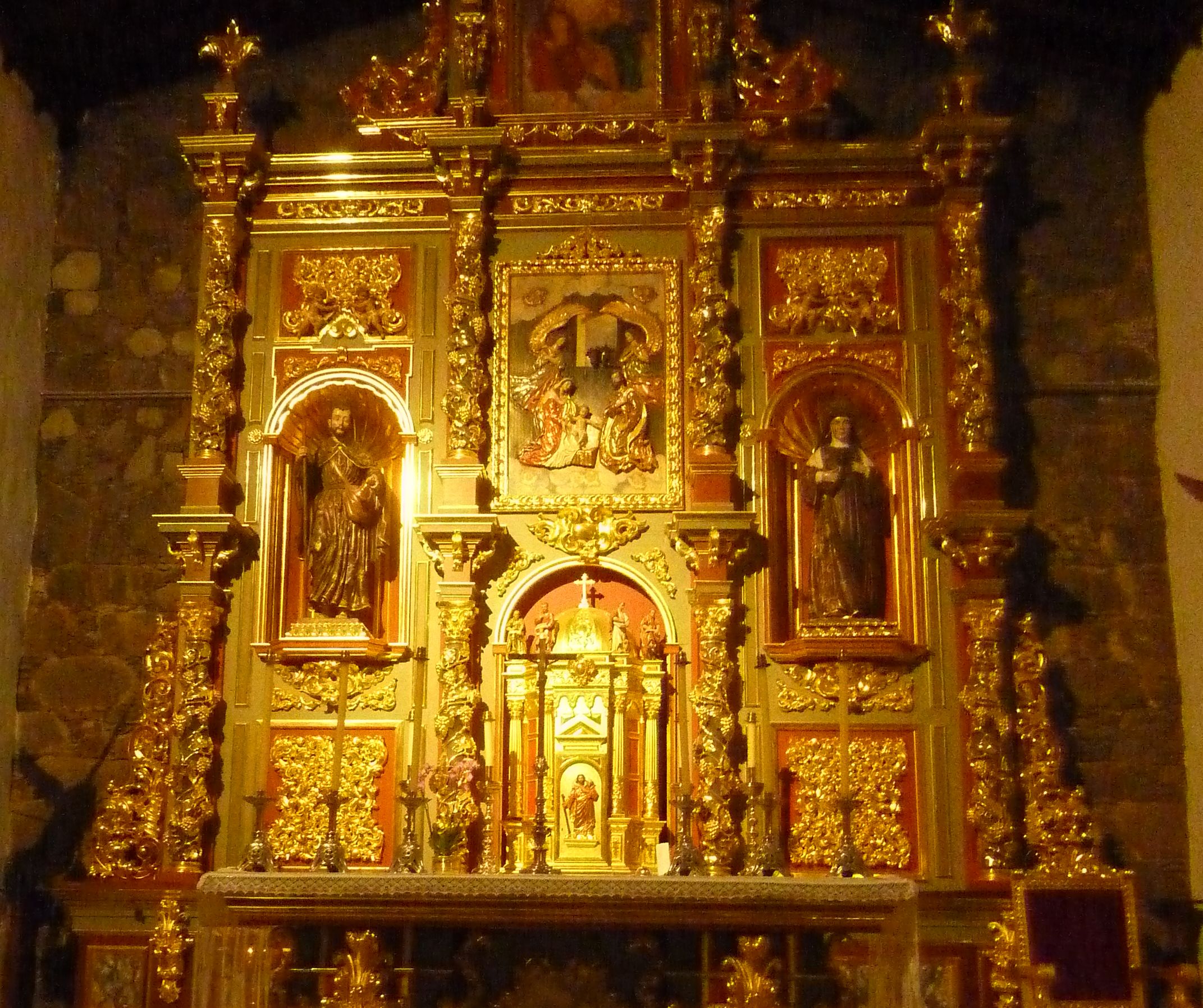
Foto: Maurer, Austria Forum
Altar in Chapel
Altar in Chapel
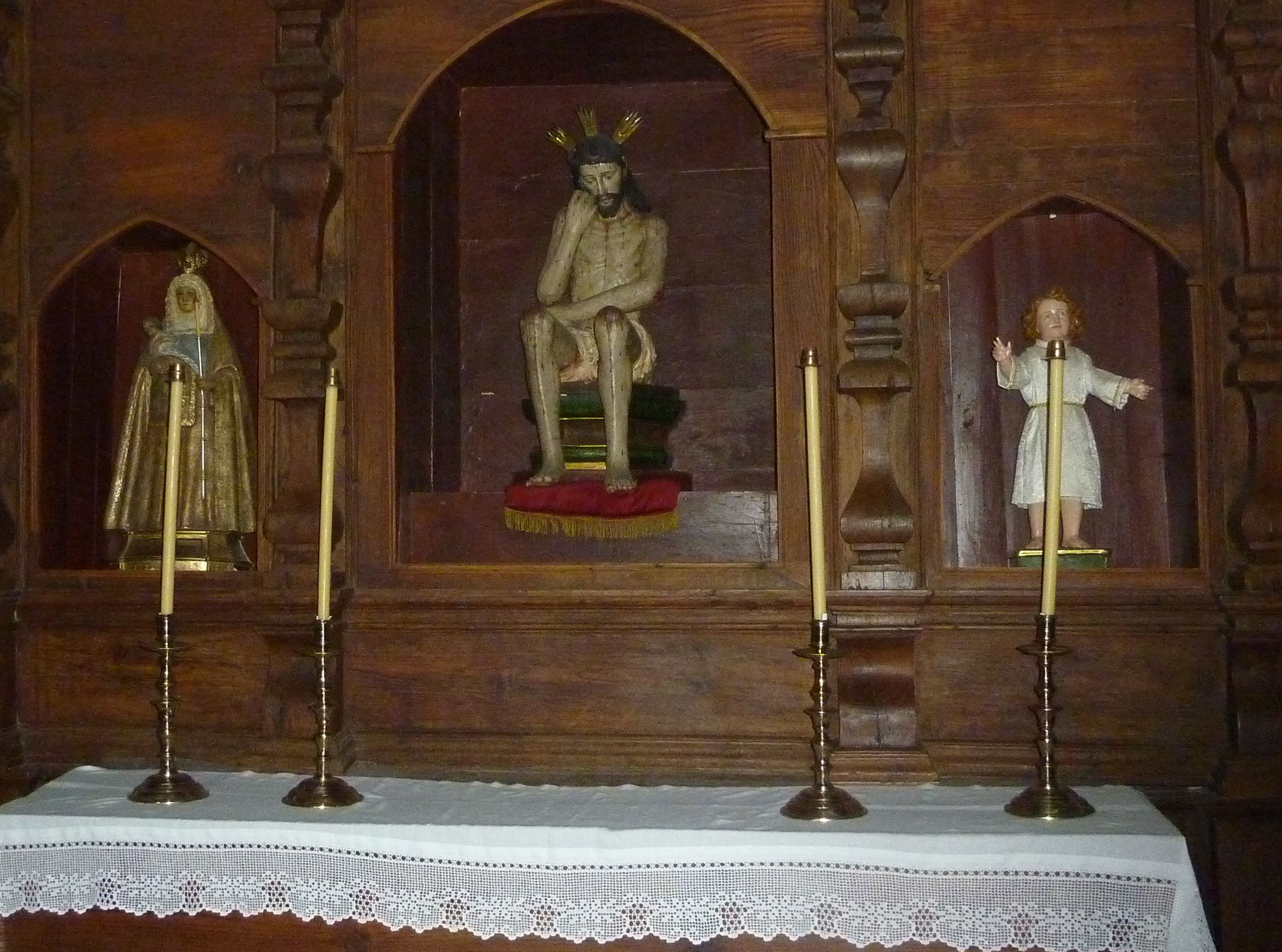
Foto: Maurer, Austria Forum
Inside San Pedro church in Vilaflor
Inside San Pedro church in Vilaflor
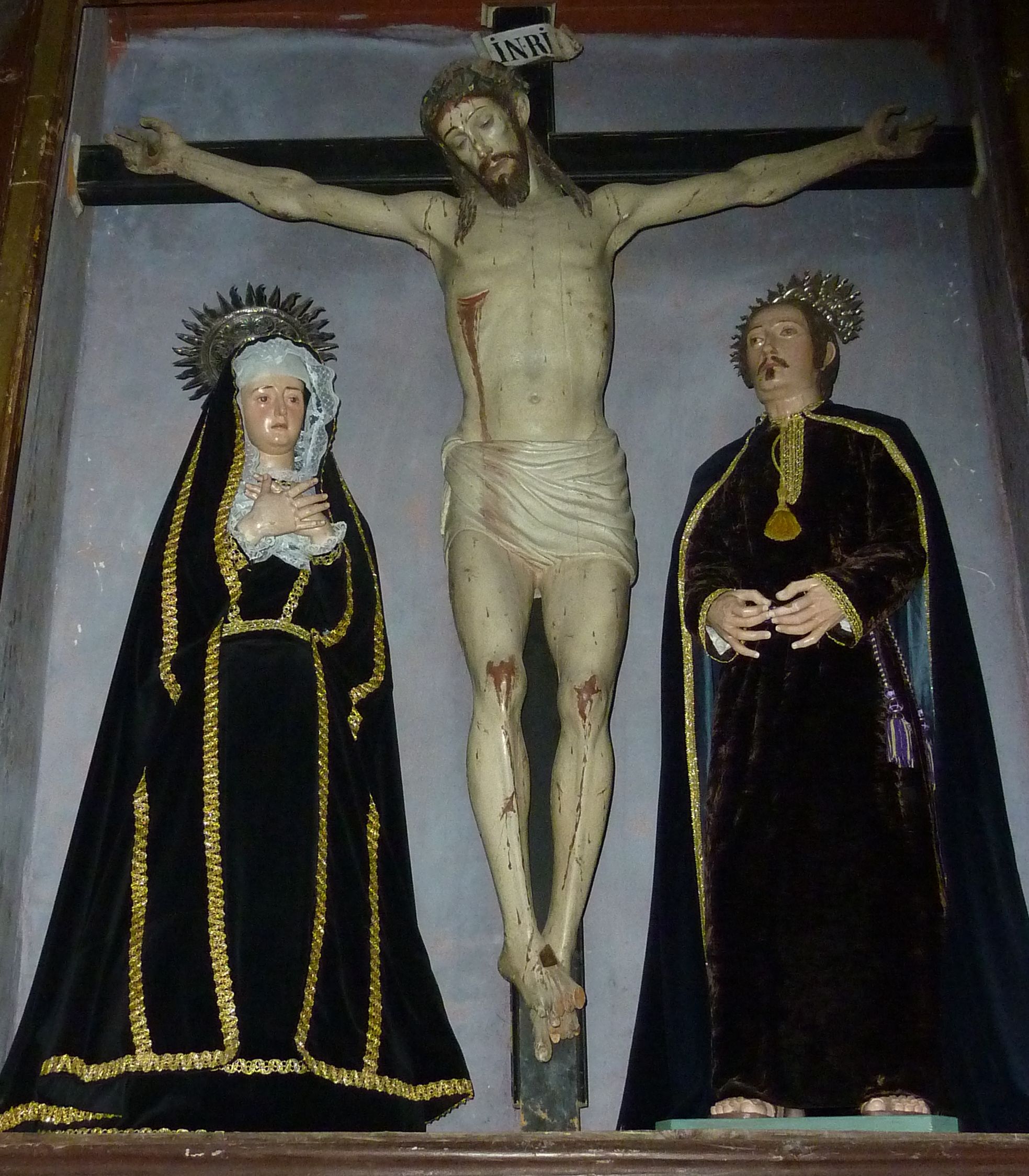
Foto: Maurer, Austria Forum
In San Pedro church
In San Pedro church
Other impressions from Tenerifa, starting in the extreme North (Amaga trail), then South West and West, and finally pictures of area around Las Vegas near East coast
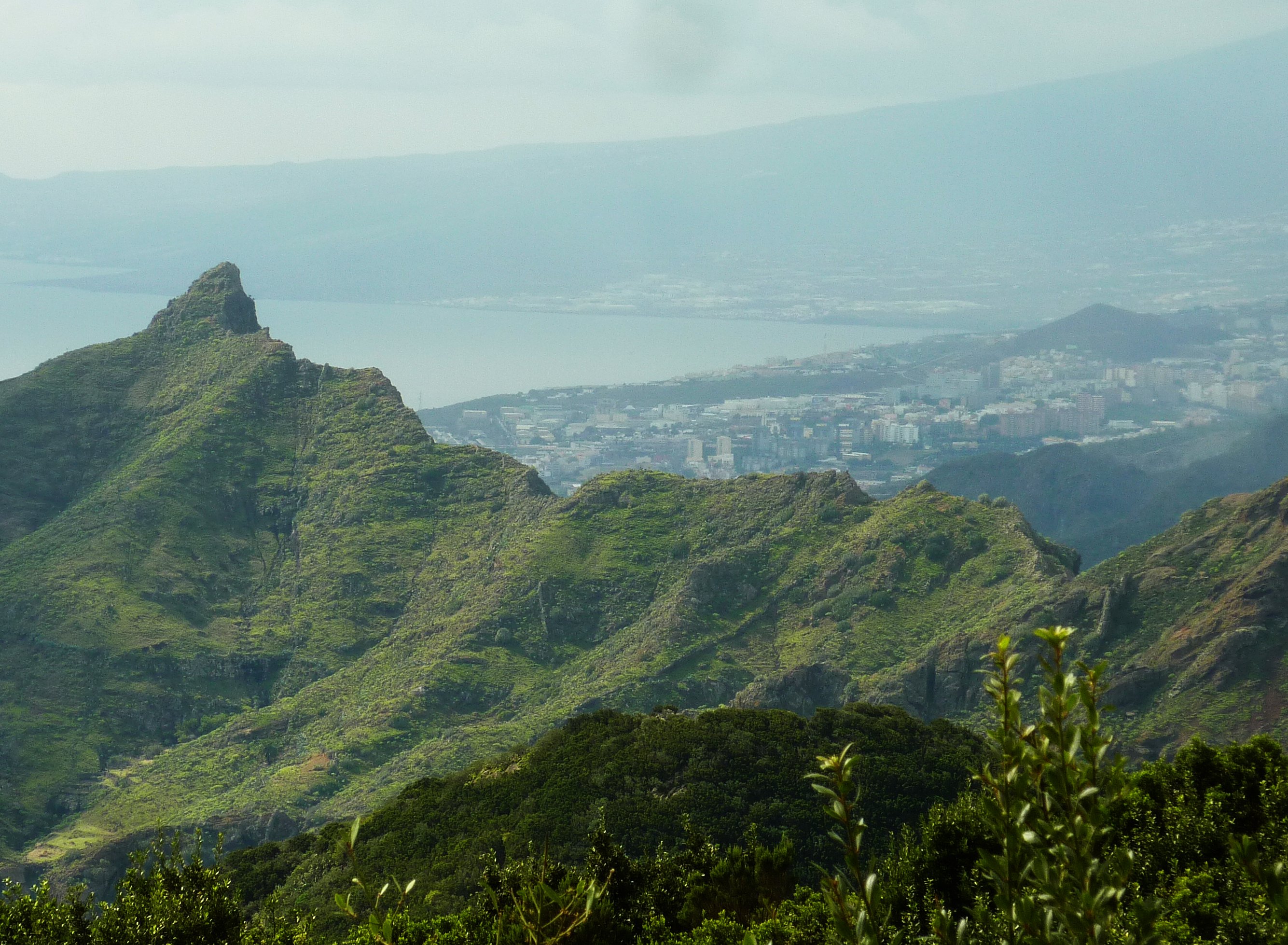
Foto: Maurer, Austria Forum
Santa Cruz in the East from Amaga trail
Santa Cruz in the East from Amaga trail
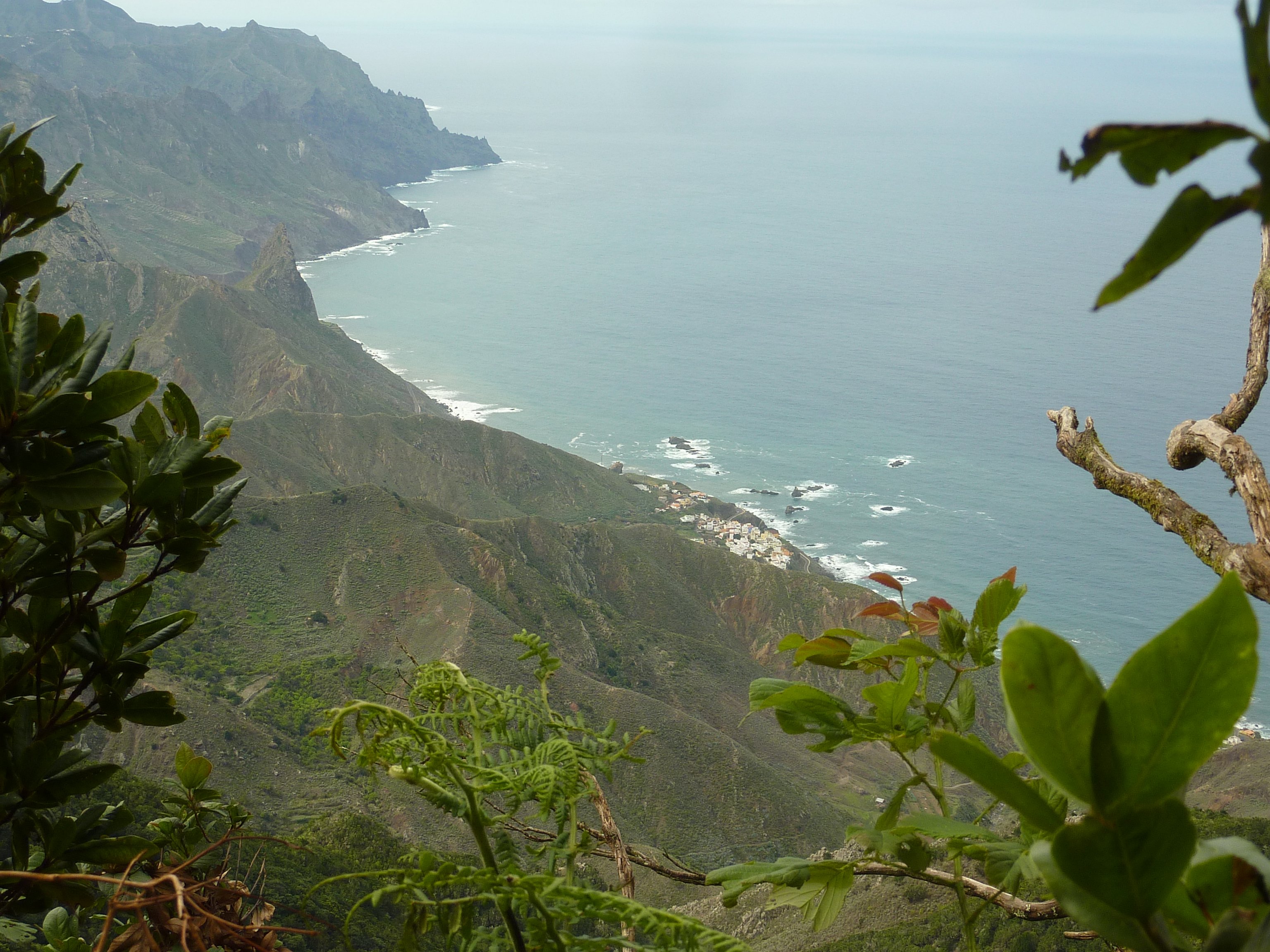
Foto: Maurer, Austria Forum
Village on the other, the Western, side of ridge, zoomed in
Village on the other, the Western, side of ridge, zoomed in

Foto: Maurer, Austria Forum
Another zoomed view of village some 1500 m below
Another zoomed view of village some 1500 m below
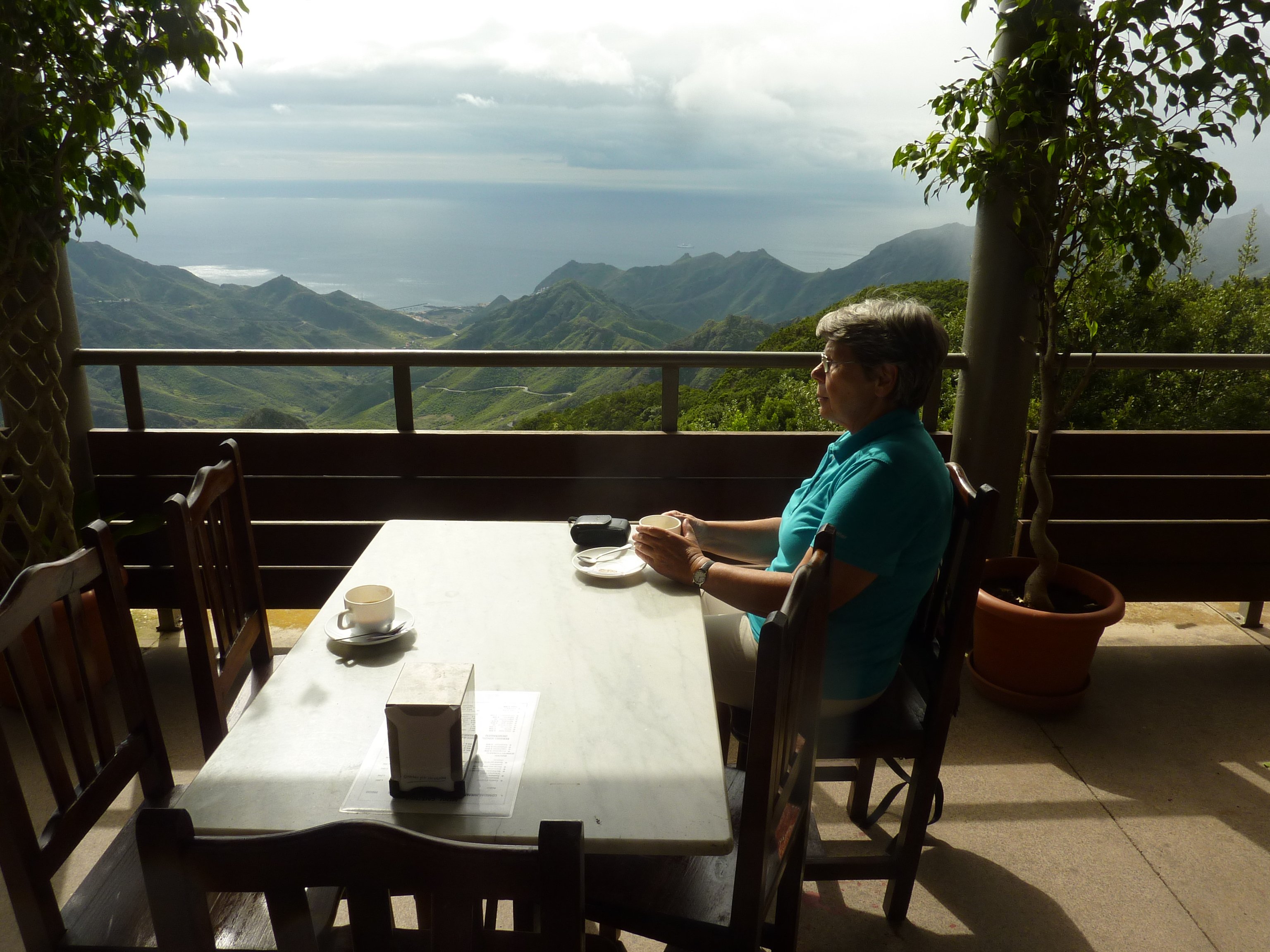
Foto: Maurer, Austria Forum
Last coffee before starting on trail
Last coffee before starting on trail
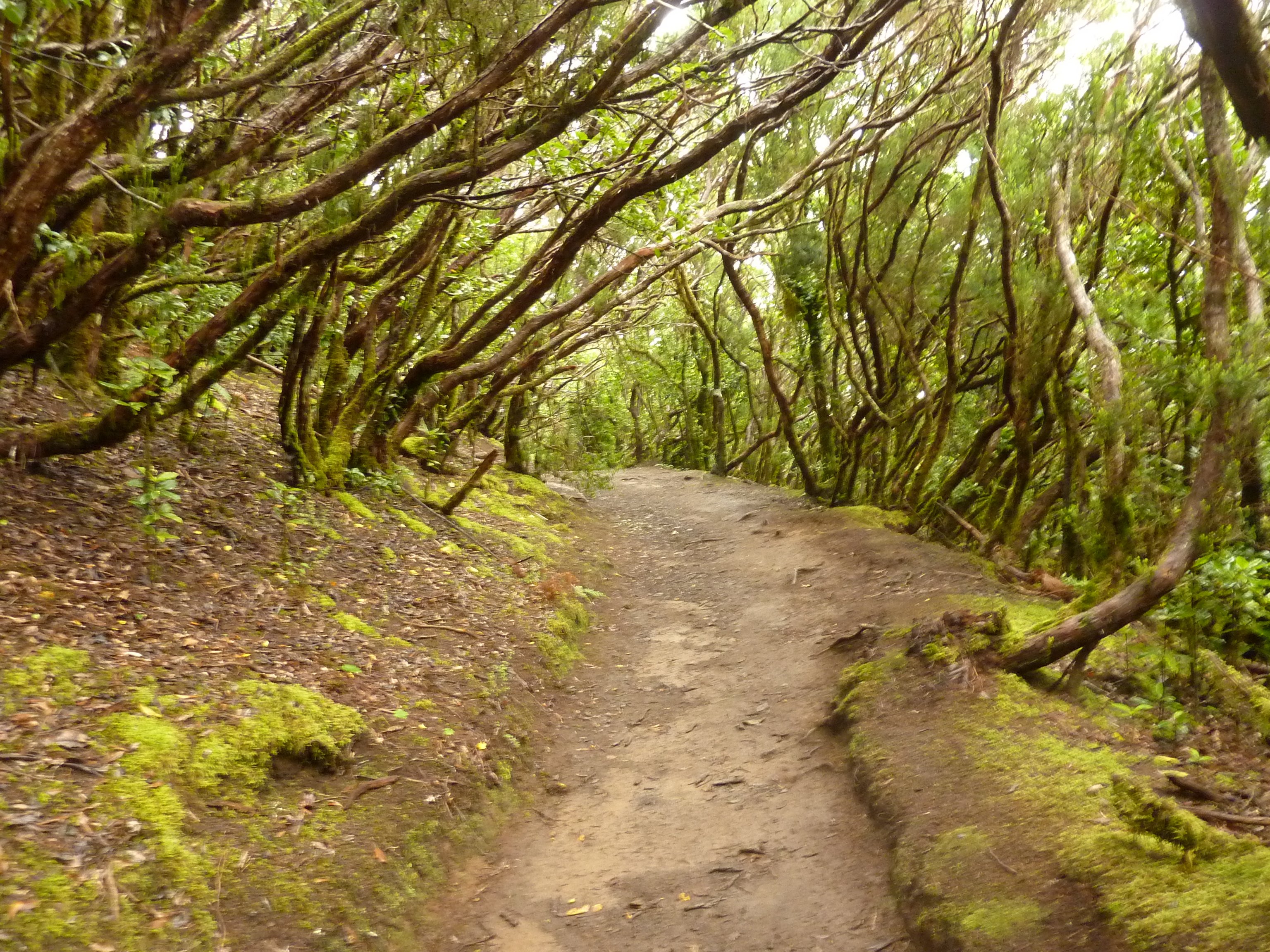
Foto: Maurer, Austria Forum
On Amaga forest trail to Chamorga
On Amaga forest trail to Chamorga
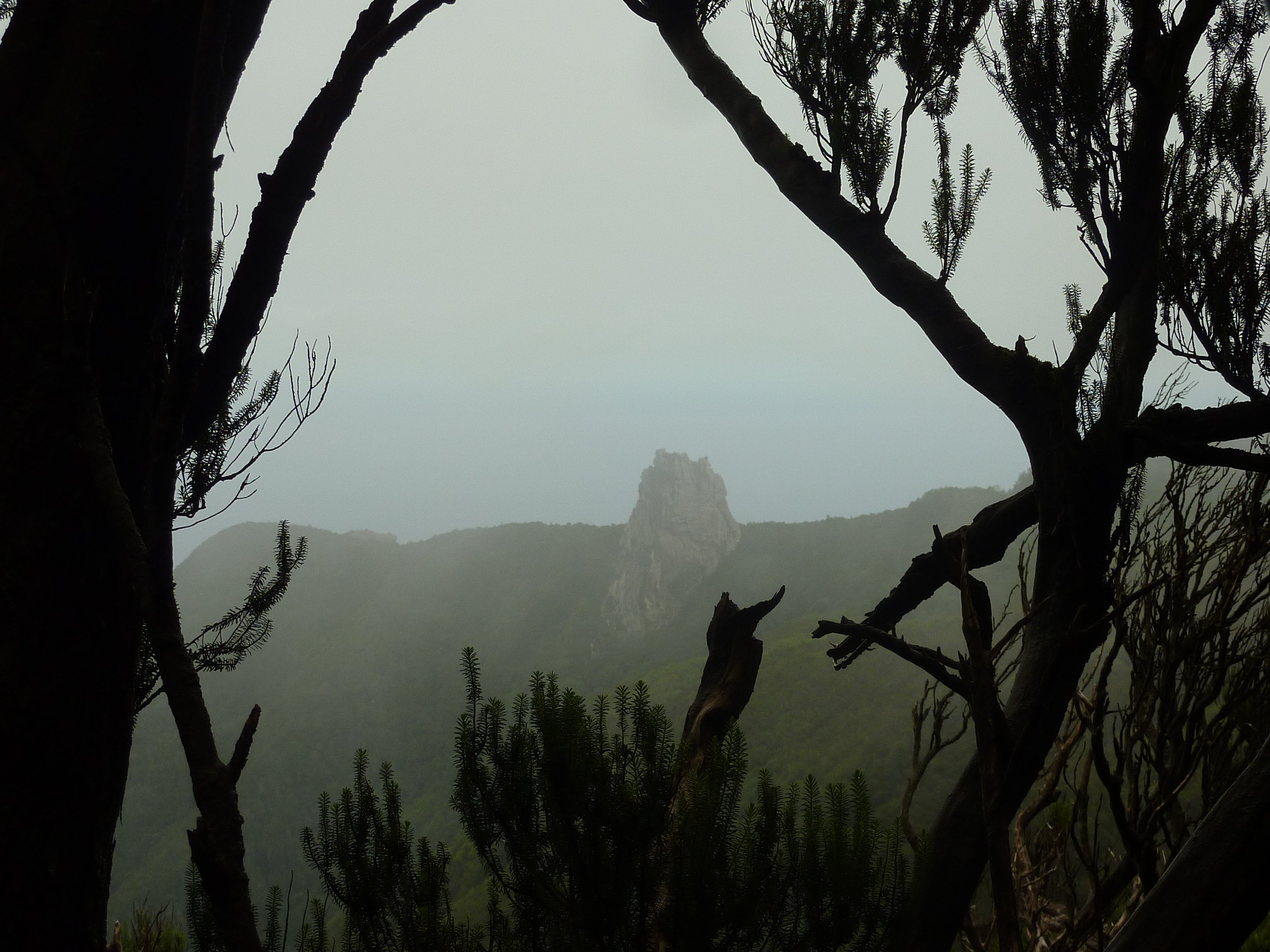
Foto: Maurer, Austria Forum
The most impressive rock along the trail
The most impressive rock along the trail

Foto: Maurer, Austria Forum
Close-up of rock
Close-up of rock

Foto: Maurer, Austria Forum
Typical view of NW coast near North cape
Typical view of NW coast near North cape
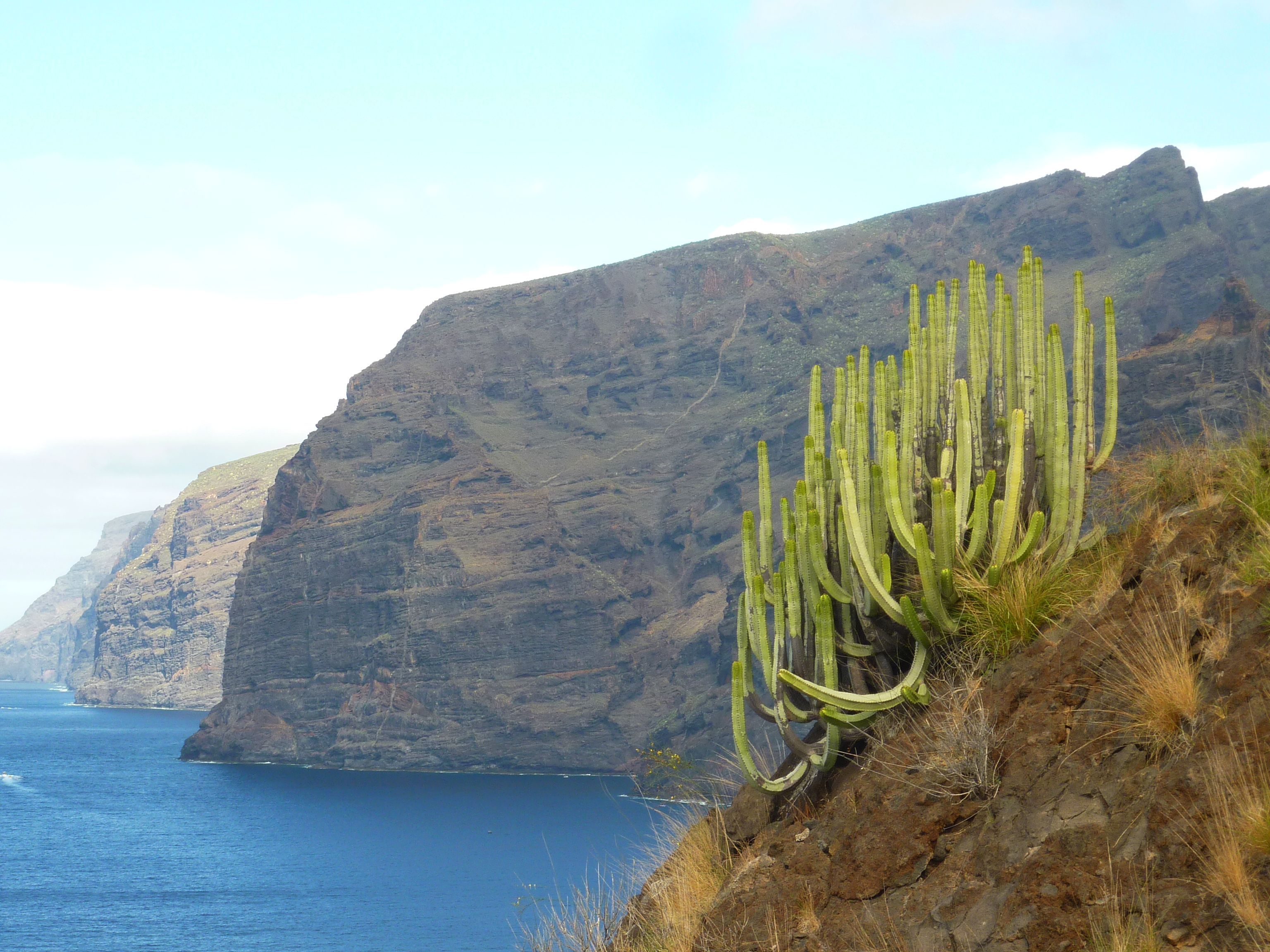
Foto: Maurer, Austria Forum
Los Gigantes-Highest cliffs of island in SW
Los Gigantes-Highest cliffs of island in SW

Foto: Maurer, Austria Forum
Near Los Gigantes
Near Los Gigantes
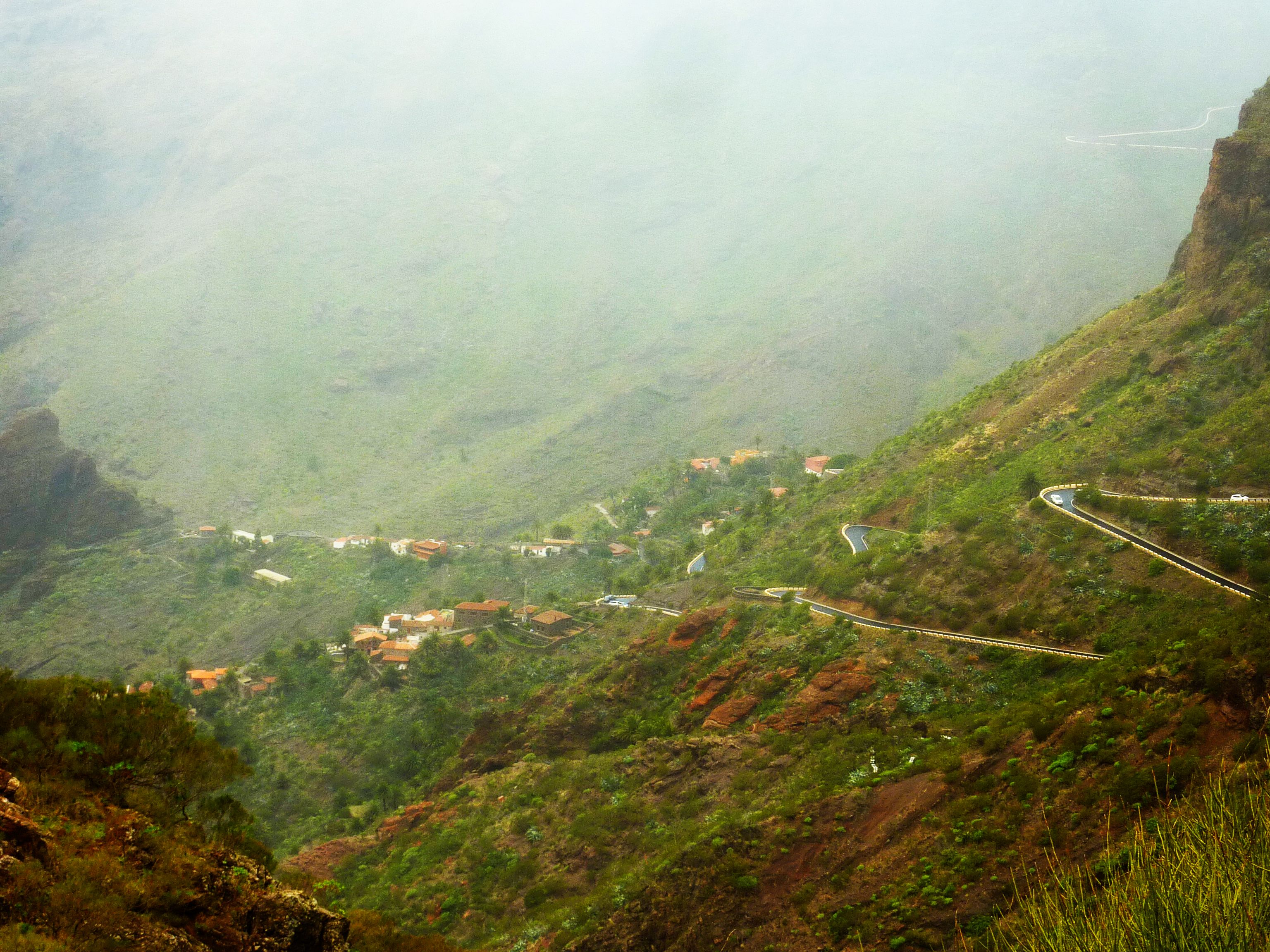
Foto: Maurer, Austria Forum
Driving down to Masca above SW coast
Driving down to Masca above SW coast
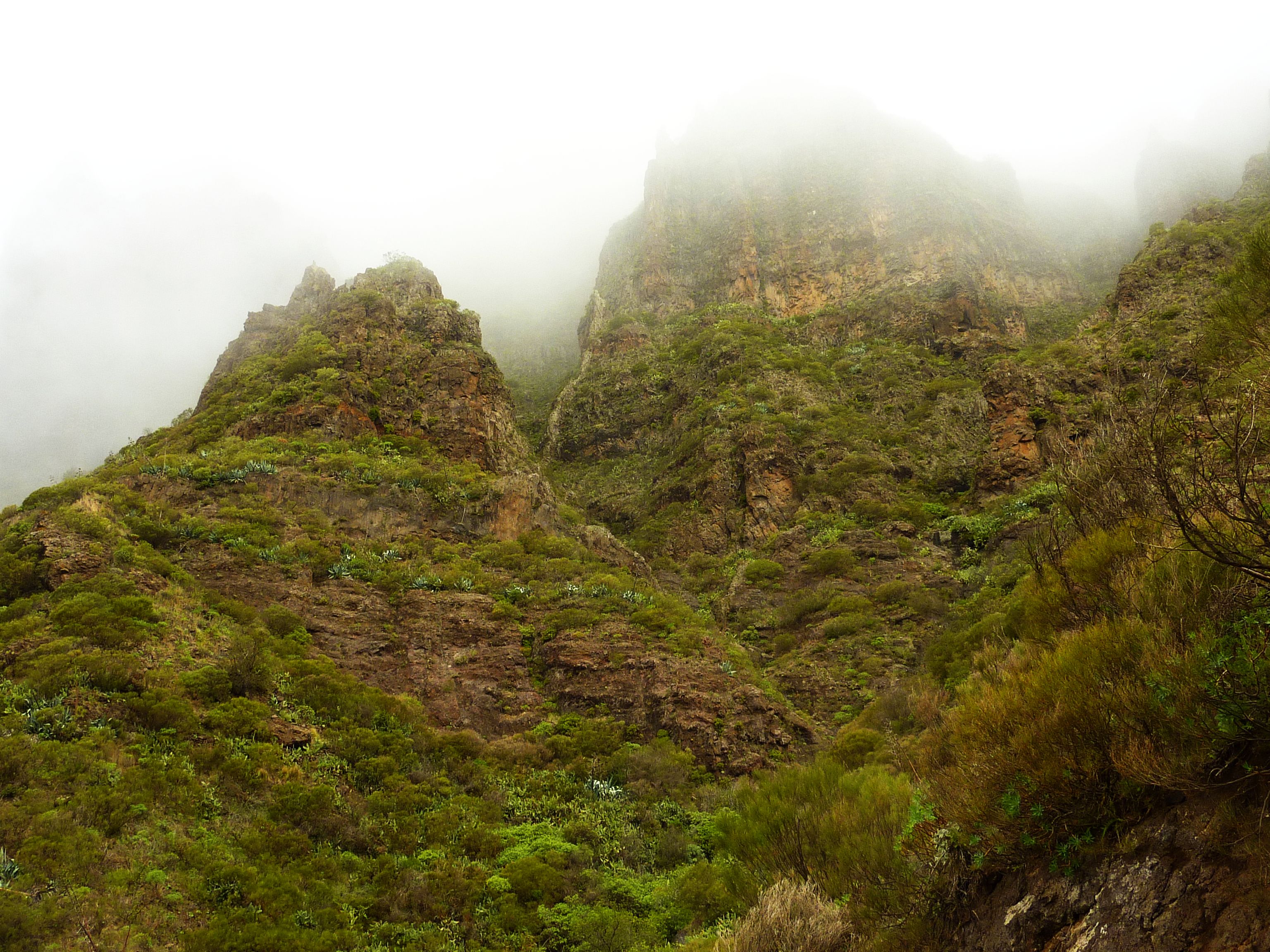
Foto: Maurer, Austria Forum
Near Masca
Near Masca
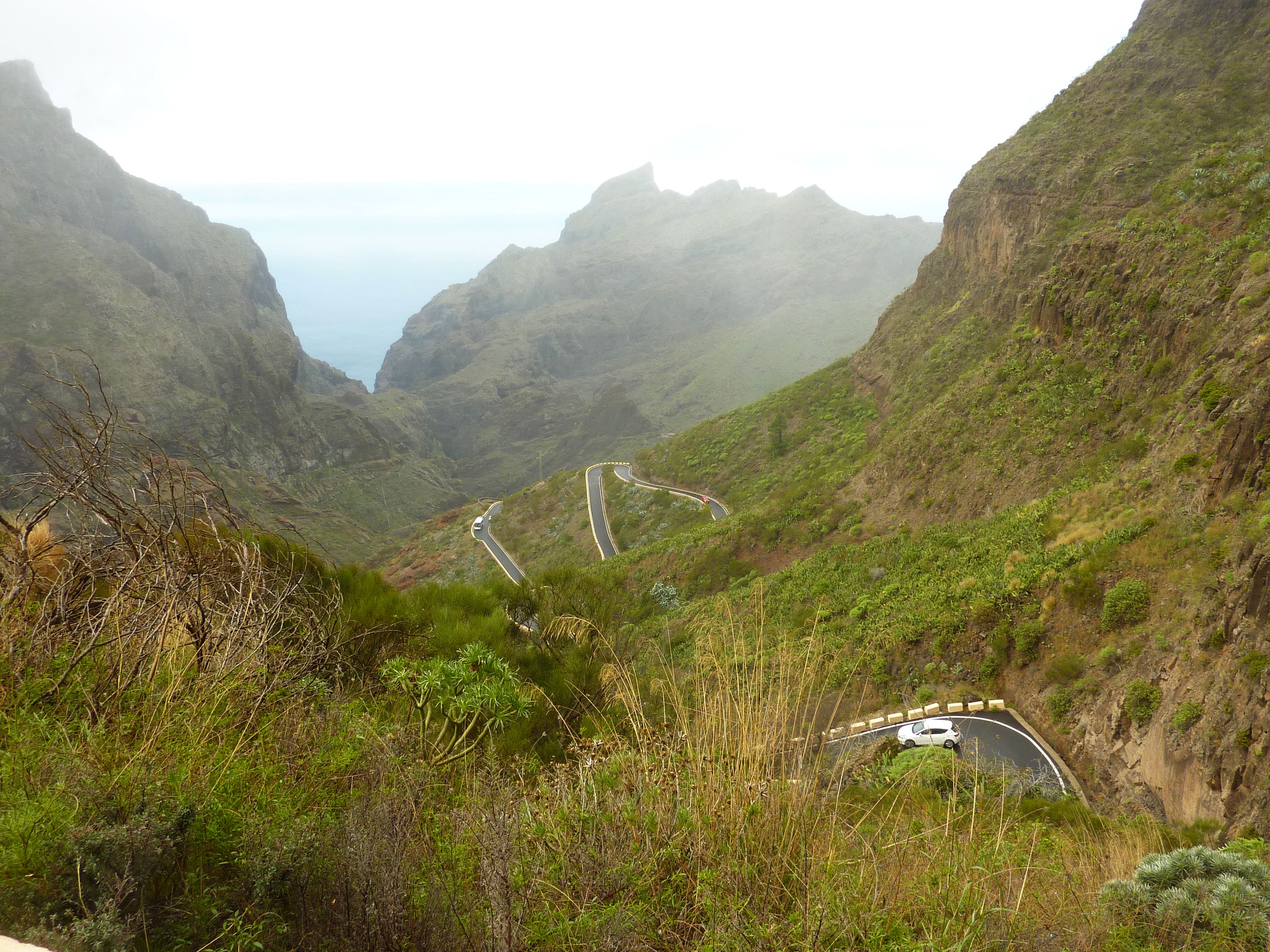
Foto: Maurer, Austria Forum
Road to Masca
Road to Masca
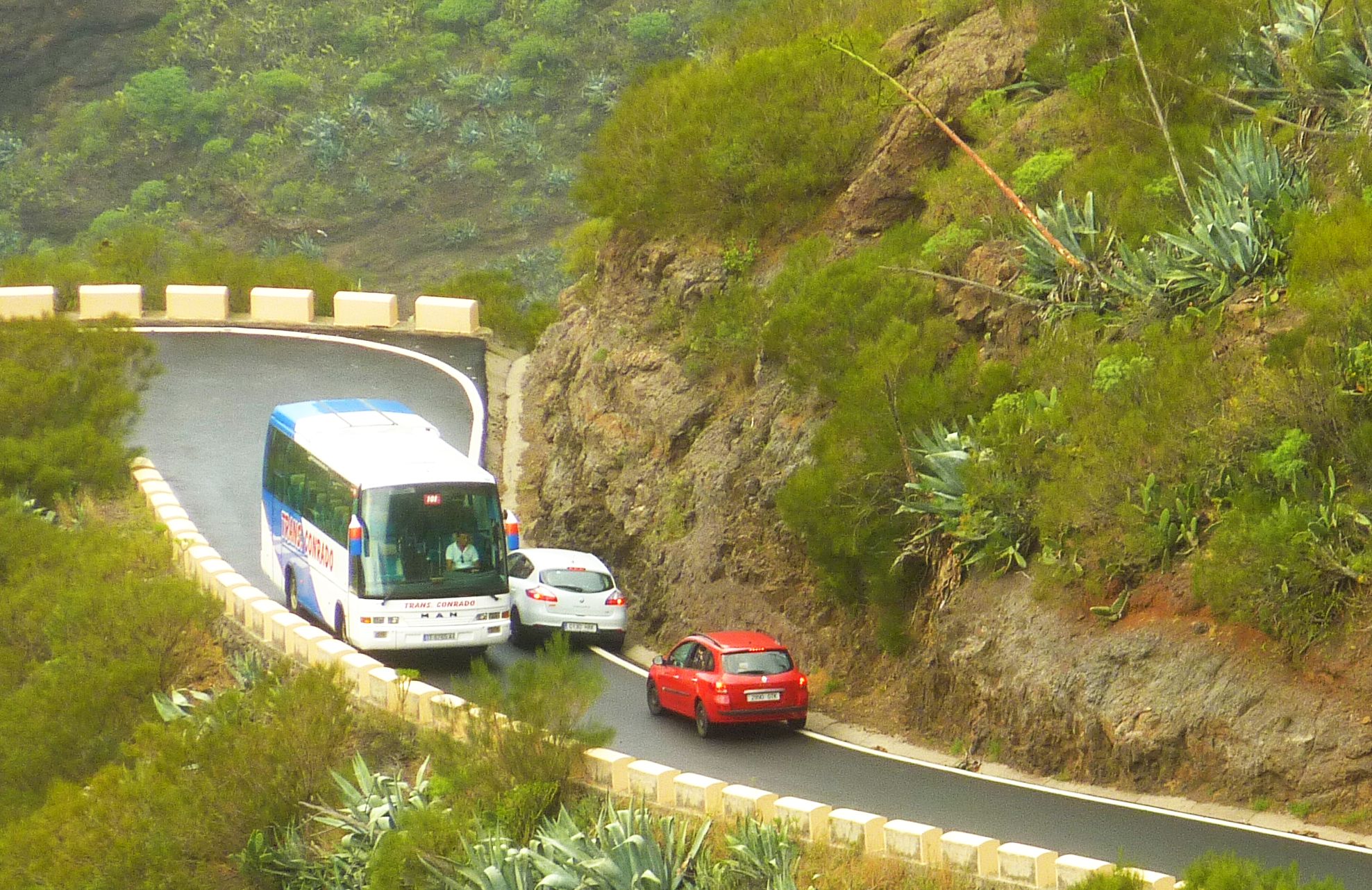
Foto: Maurer, Austria Forum
Driving here is not always easy
Driving here is not always easy
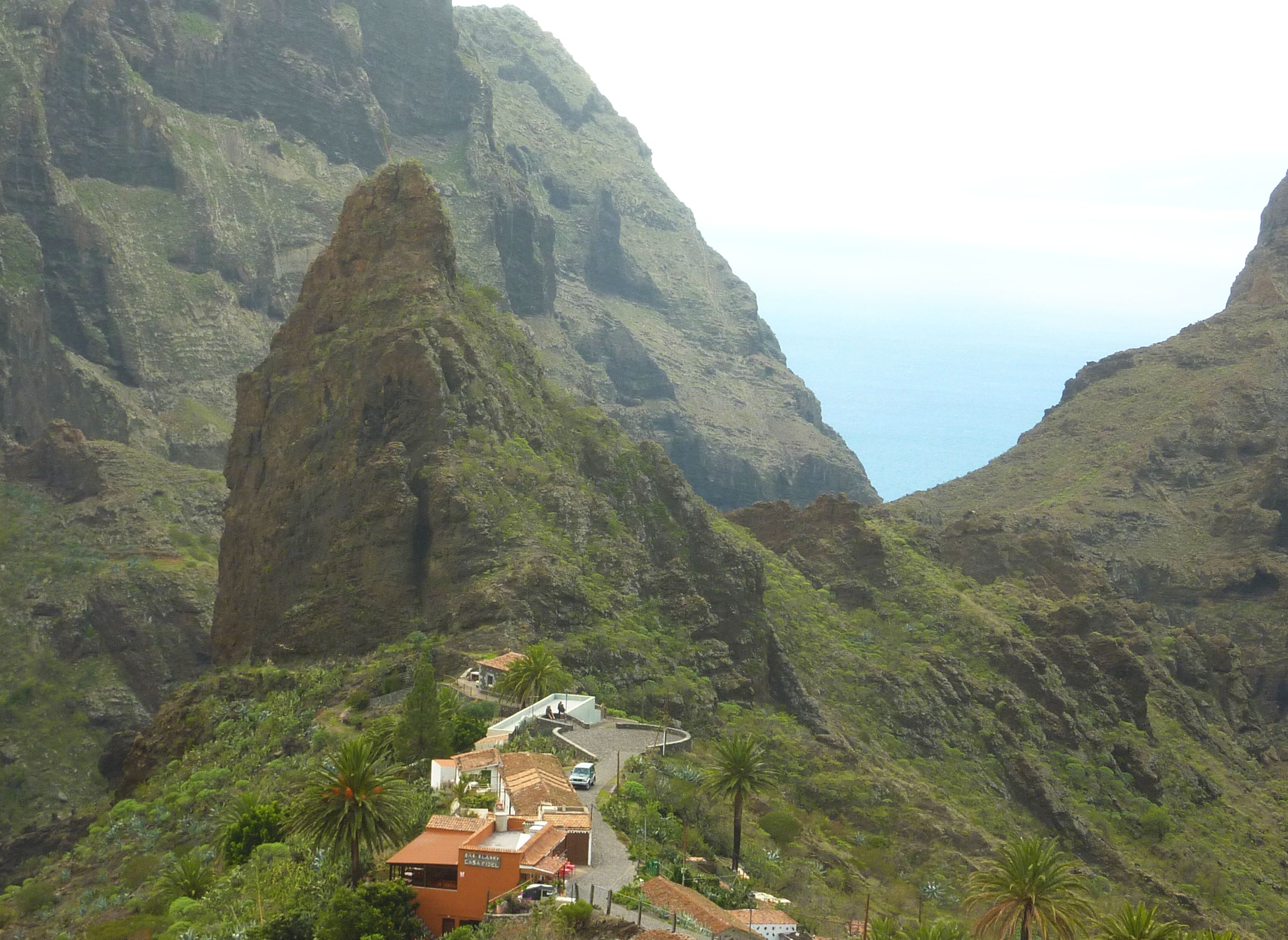
Foto: Maurer, Austria Forum
Masca-here the famous hike through the canyon to the sea starts
Masca-here the famous hike through the canyon to the sea starts
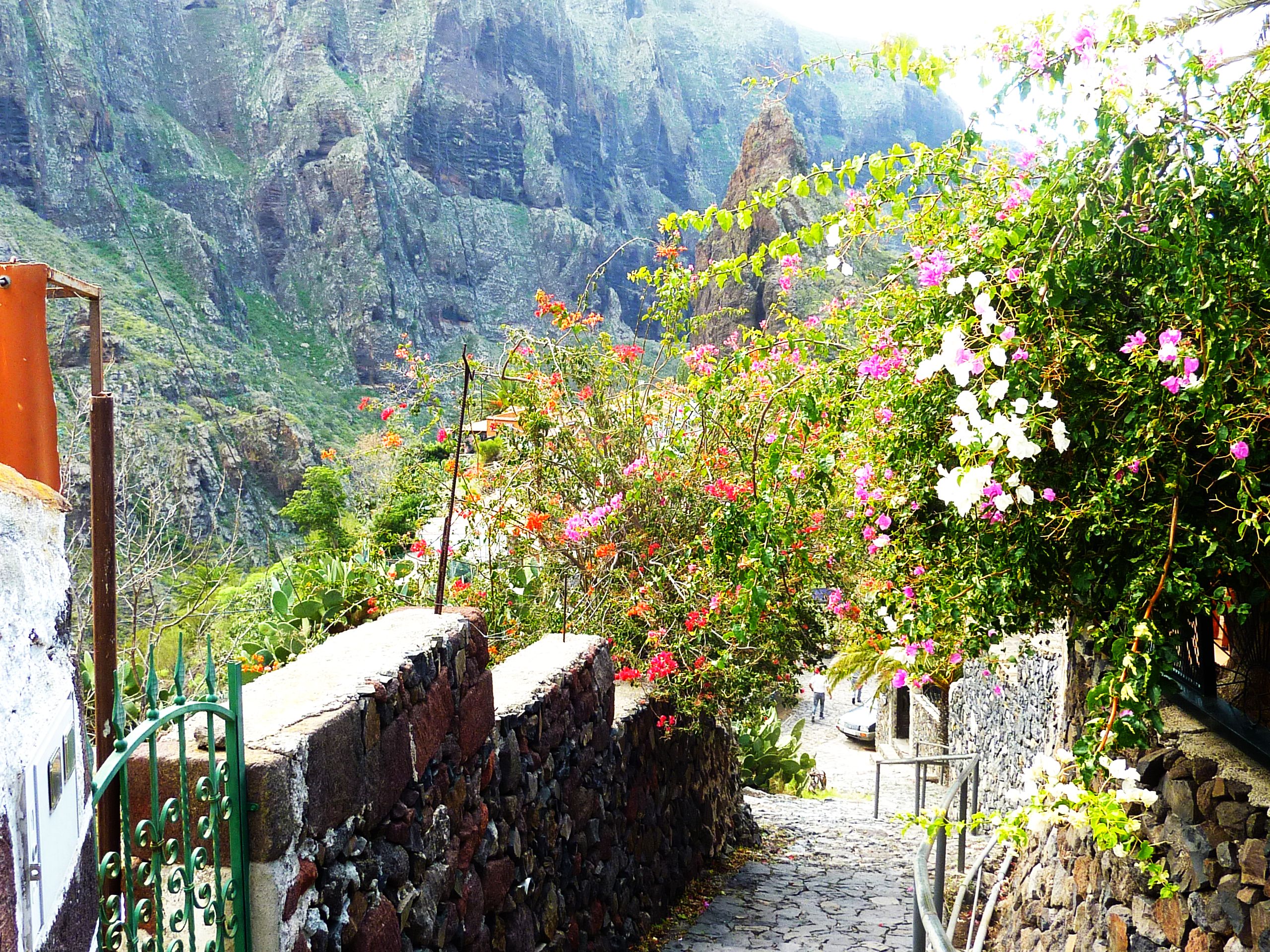
Foto: Maurer, Austria Forum
In Masca
In Masca
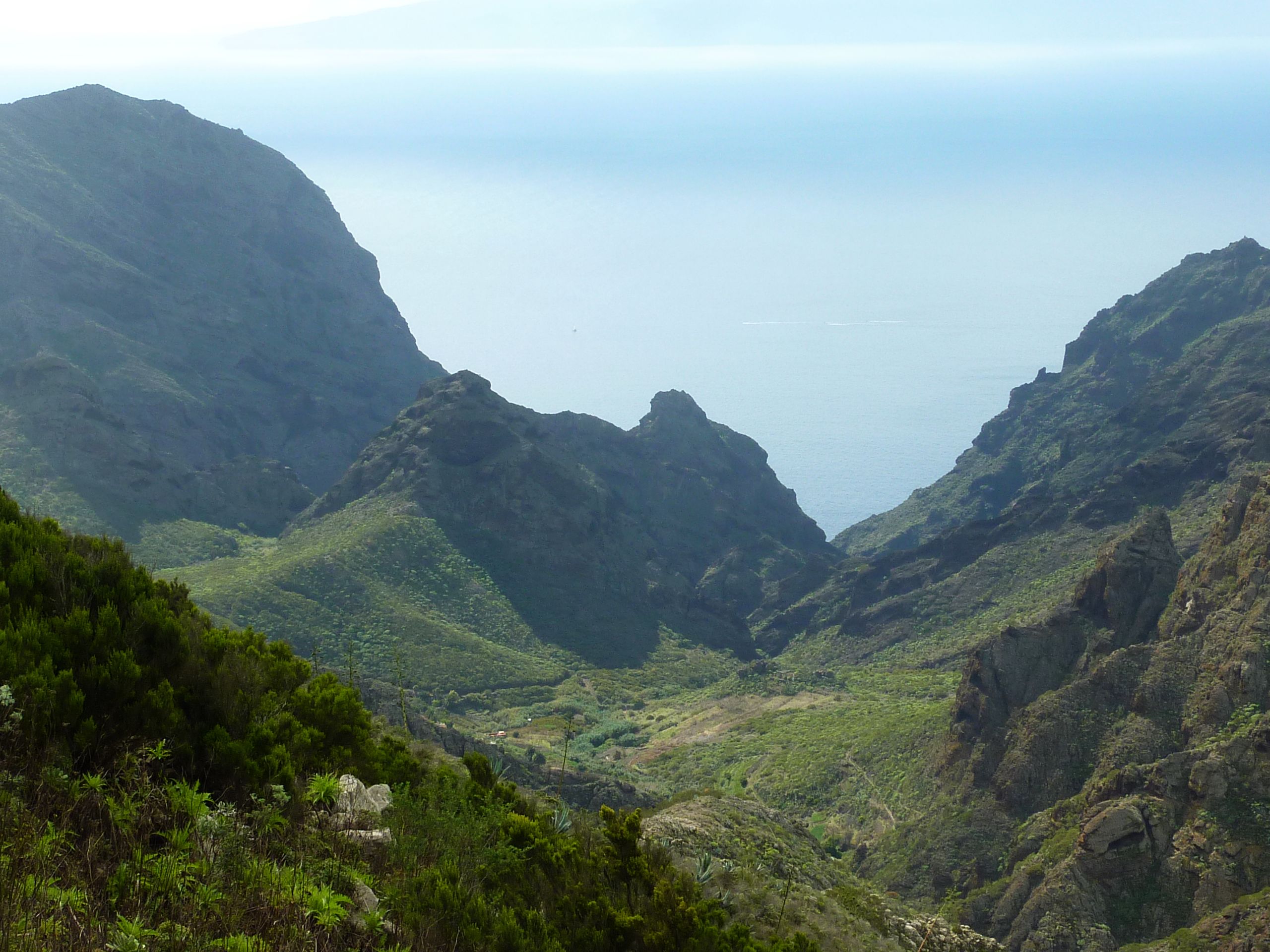
Foto: Maurer, Austria Forum
Looking down from Masca
Looking down from Masca
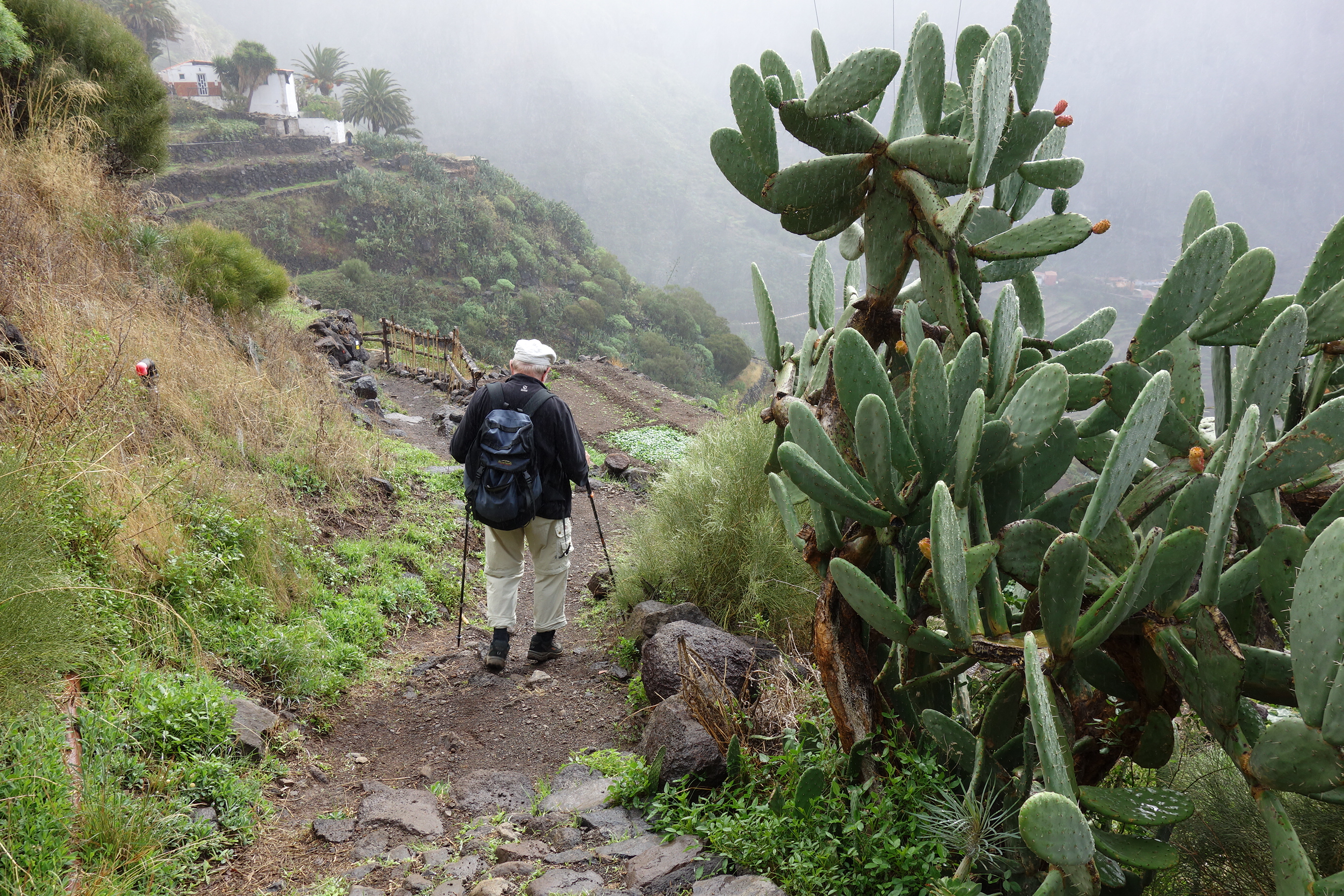
Foto: Maurer, Austria Forum
Upper part of trail
Upper part of trail
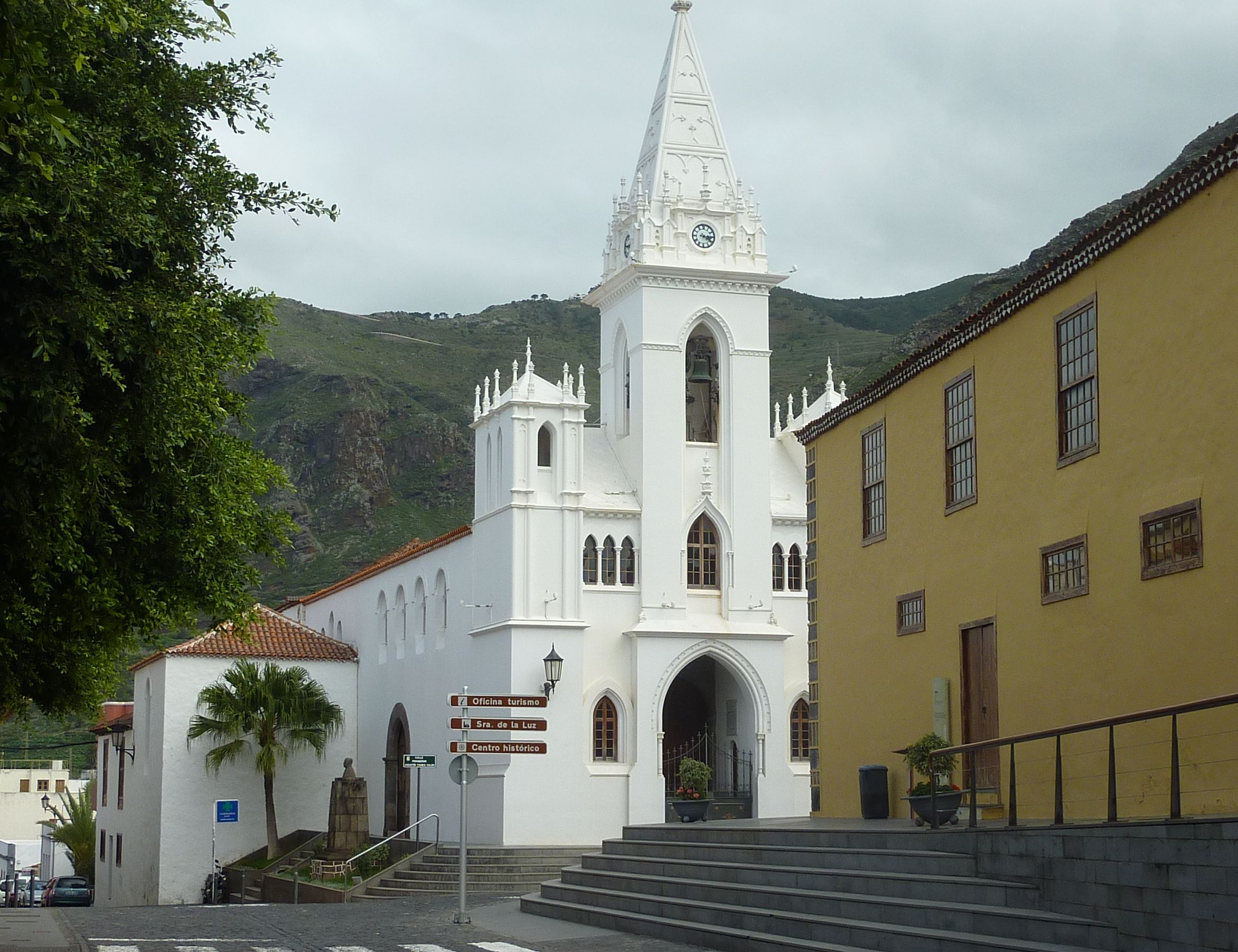
Foto: Maurer, Austria Forum
White Cathedral of Silos on W coast, building to the right is monastery
White Cathedral of Silos on W coast, building to the right is monastery

Foto: Maurer, Austria Forum
Typical Spanish architectur in Silos
Typical Spanish architectur in Silos
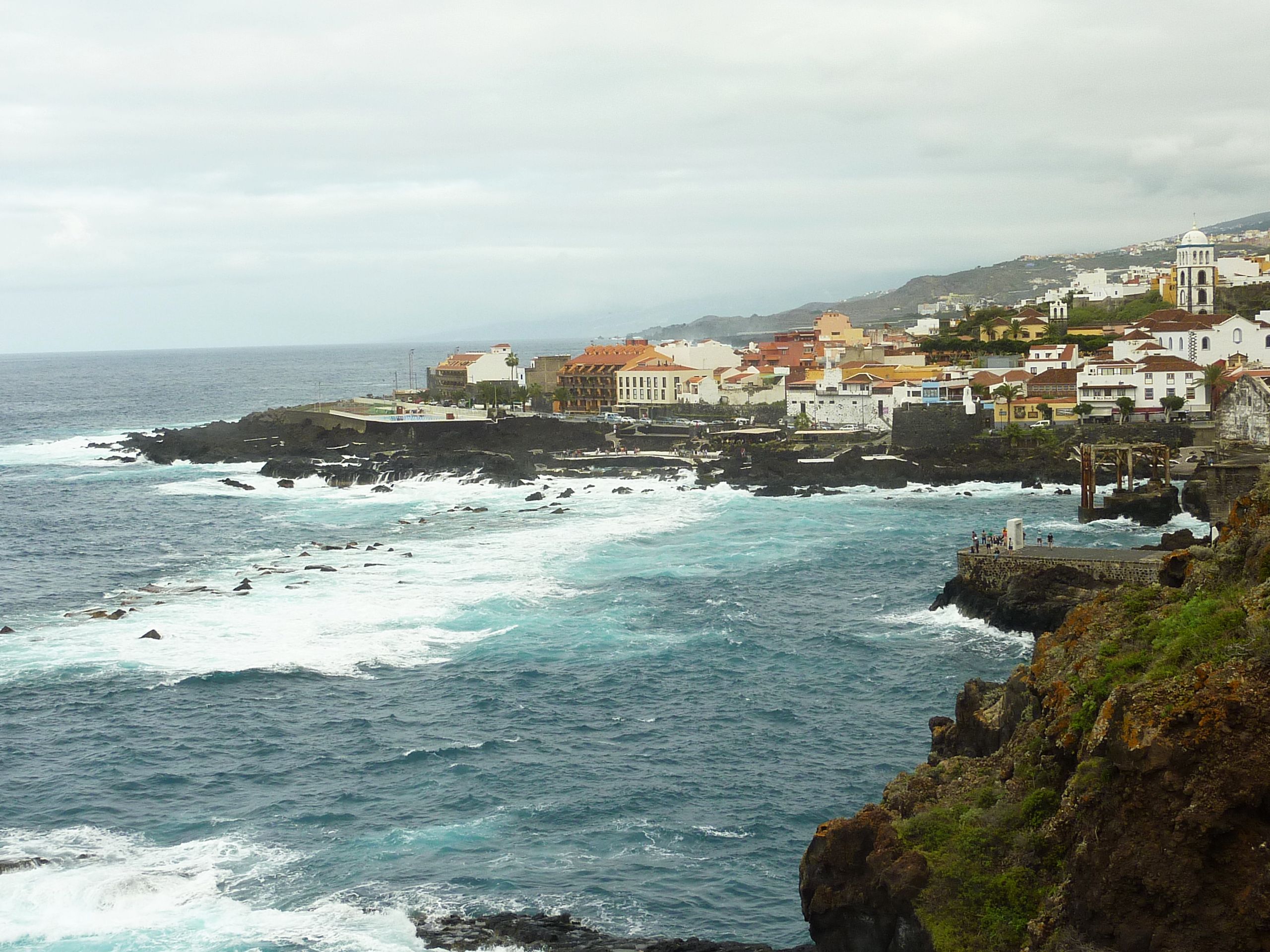
Foto: Maurer, Austria Forum
Garachico bay on West coast, always with high waves
Garachico bay on West coast, always with high waves

Foto: Maurer, Austria Forum
High waves
High waves
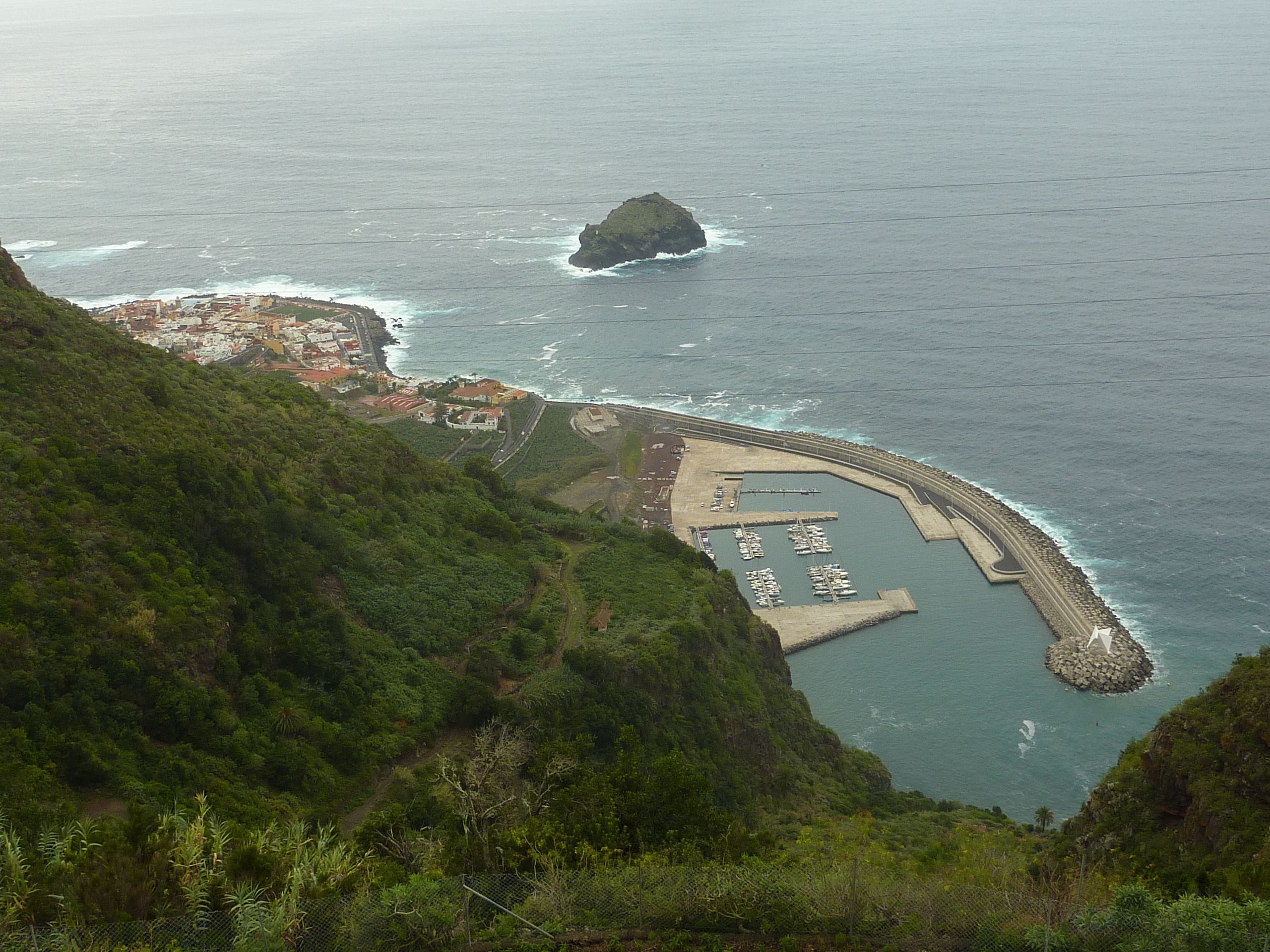
Foto: Maurer, Austria Forum
A sheltered harbour is needed in Garachico
A sheltered harbour is needed in Garachico
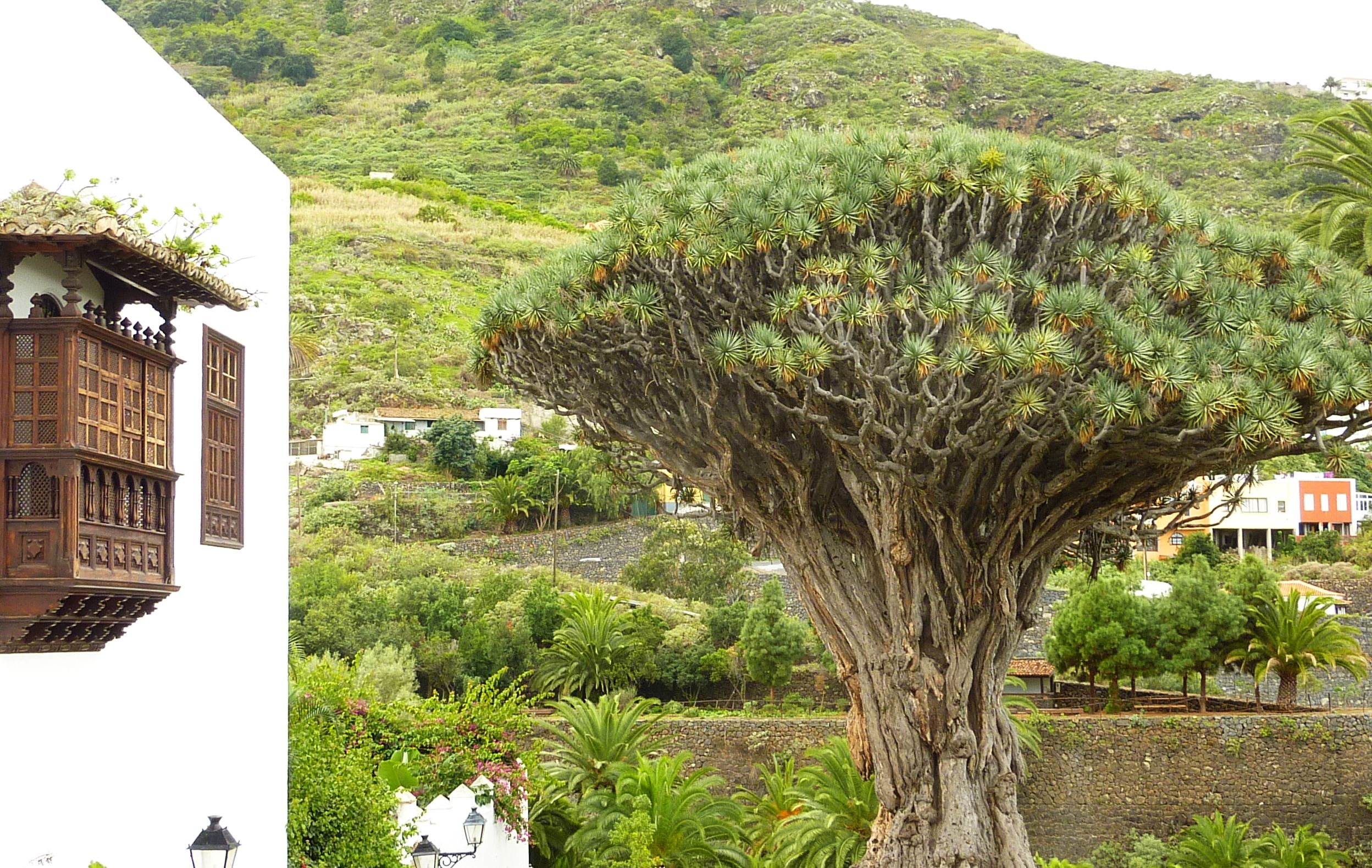
Foto: Maurer, Austria Forum
Humboldt gave this tree the name Dragon Tree
Humboldt gave this tree the name Dragon Tree
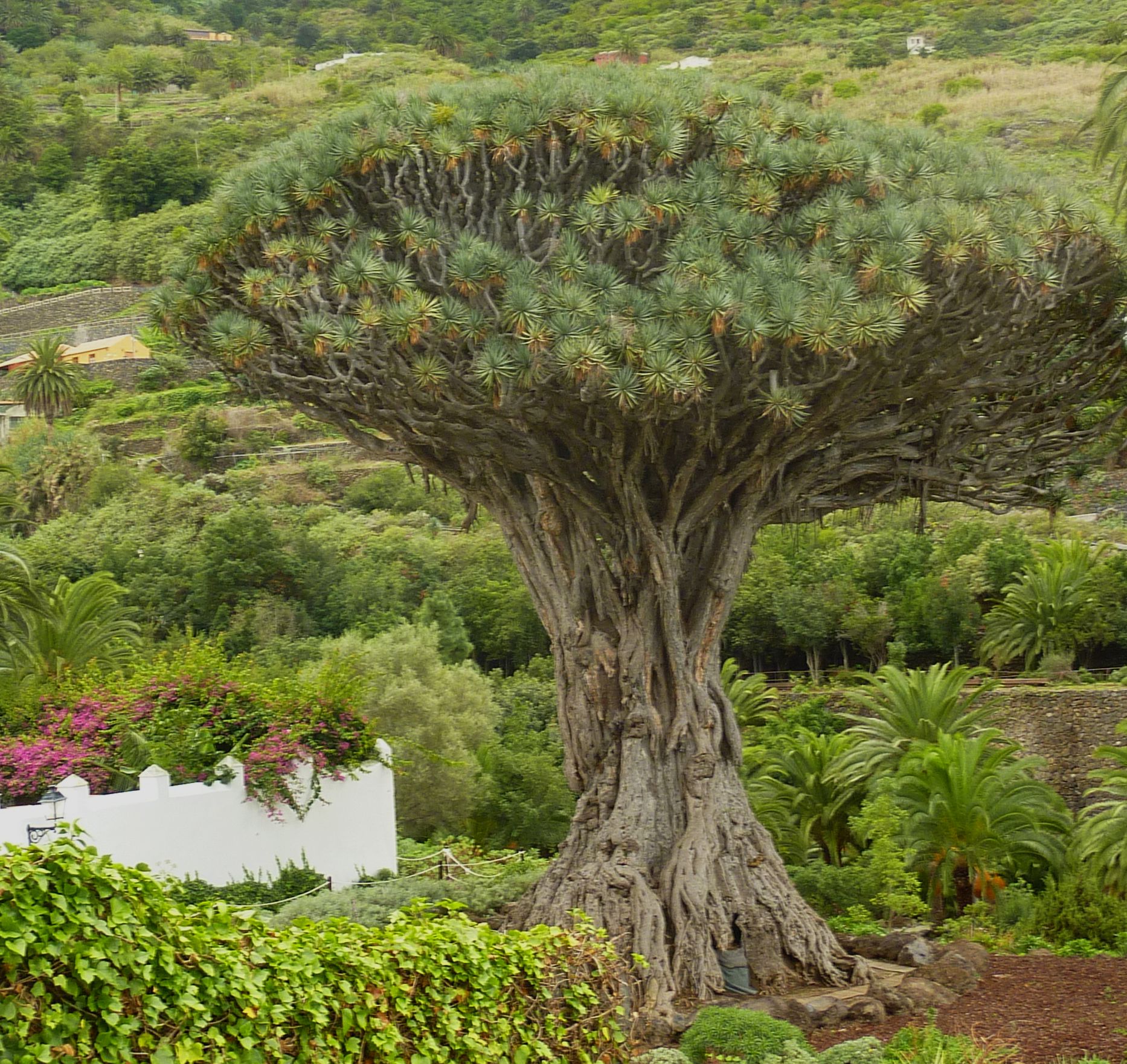
Foto: Maurer, Austria Forum
Dragon tree, some hundreds of years old but not the THOUSAND reported by legend
Dragon tree, some hundreds of years old but not the THOUSAND reported by legend
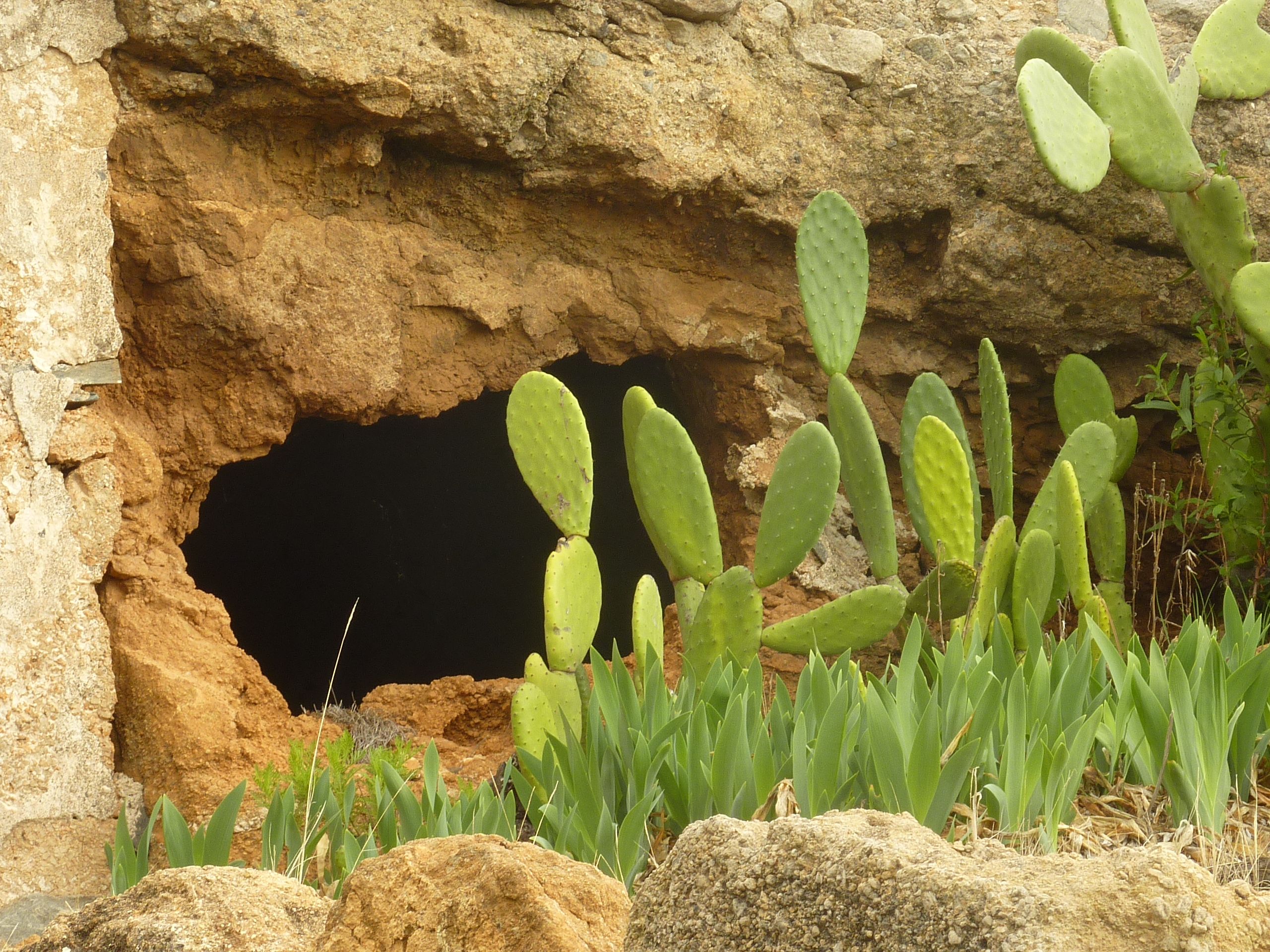
Foto: Maurer, Austria Forum
Old cave housing along trail above Las Vegas East coast
Old cave housing along trail above Las Vegas East coast
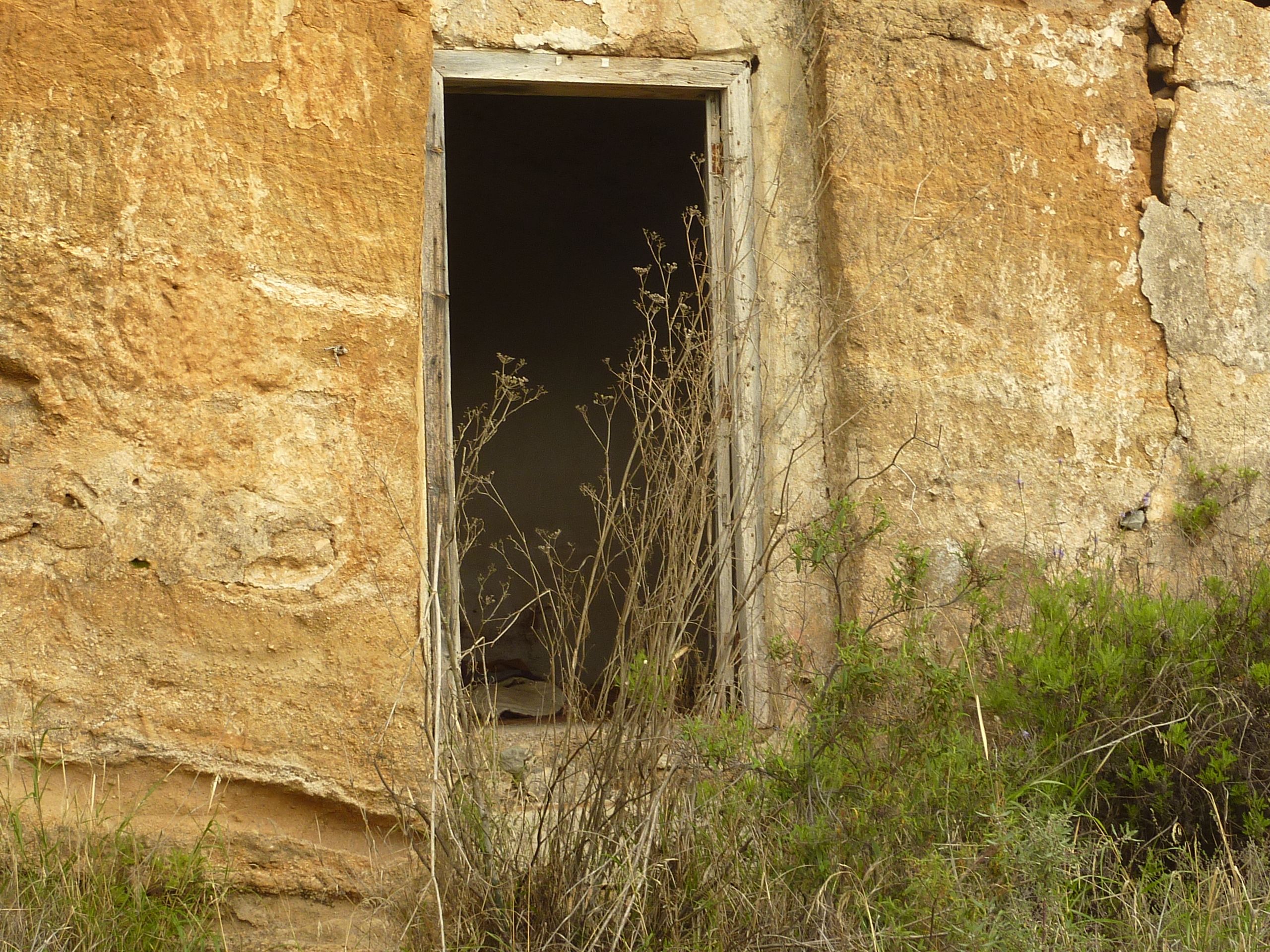
Foto: Maurer, Austria Forum
Still used for overnights by some
Still used for overnights by some
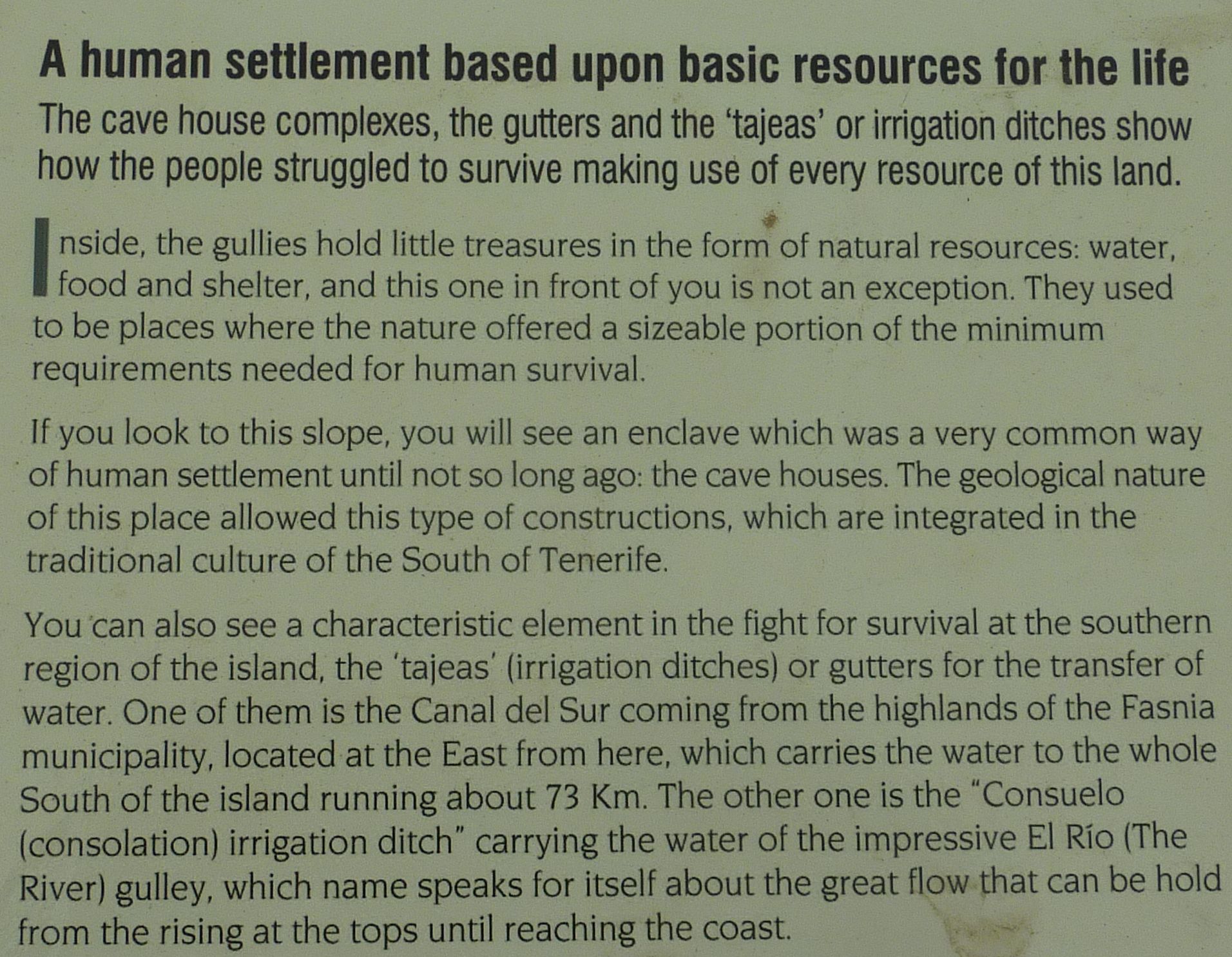
Foto: Maurer, Austria Forum
Story of dwellings
Story of dwellings

Foto: Maurer, Austria Forum
Las Vegas means fertile land. This is true due water that was and is still collected in ingenious ways
Las Vegas means fertile land. This is true due water that was and is still collected in ingenious ways
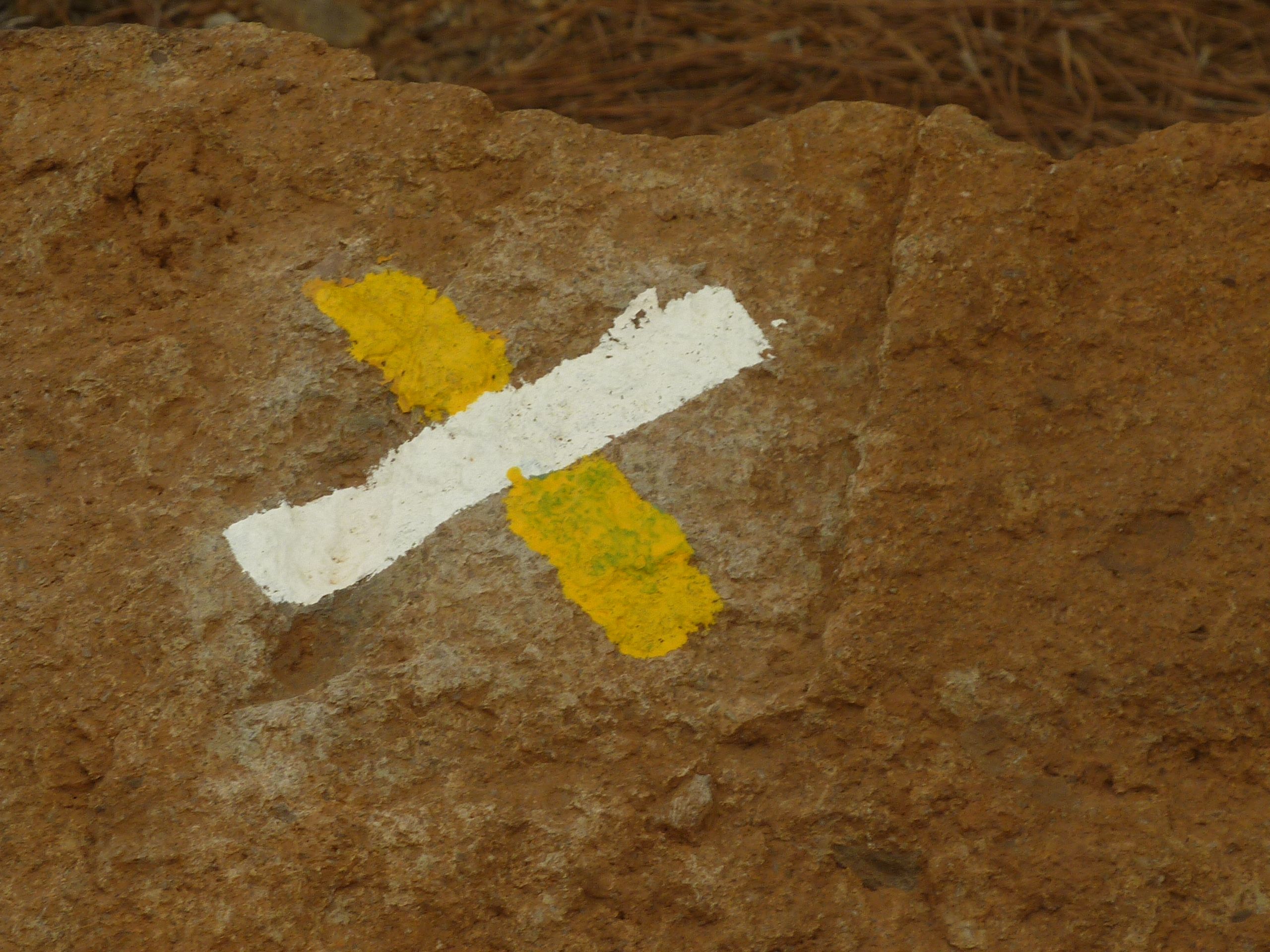
Foto: Maurer, Austria Forum
Trail is marked yellow- white but this says DO NOT continue here since stripes are crossed
Trail is marked yellow- white but this says DO NOT continue here since stripes are crossed
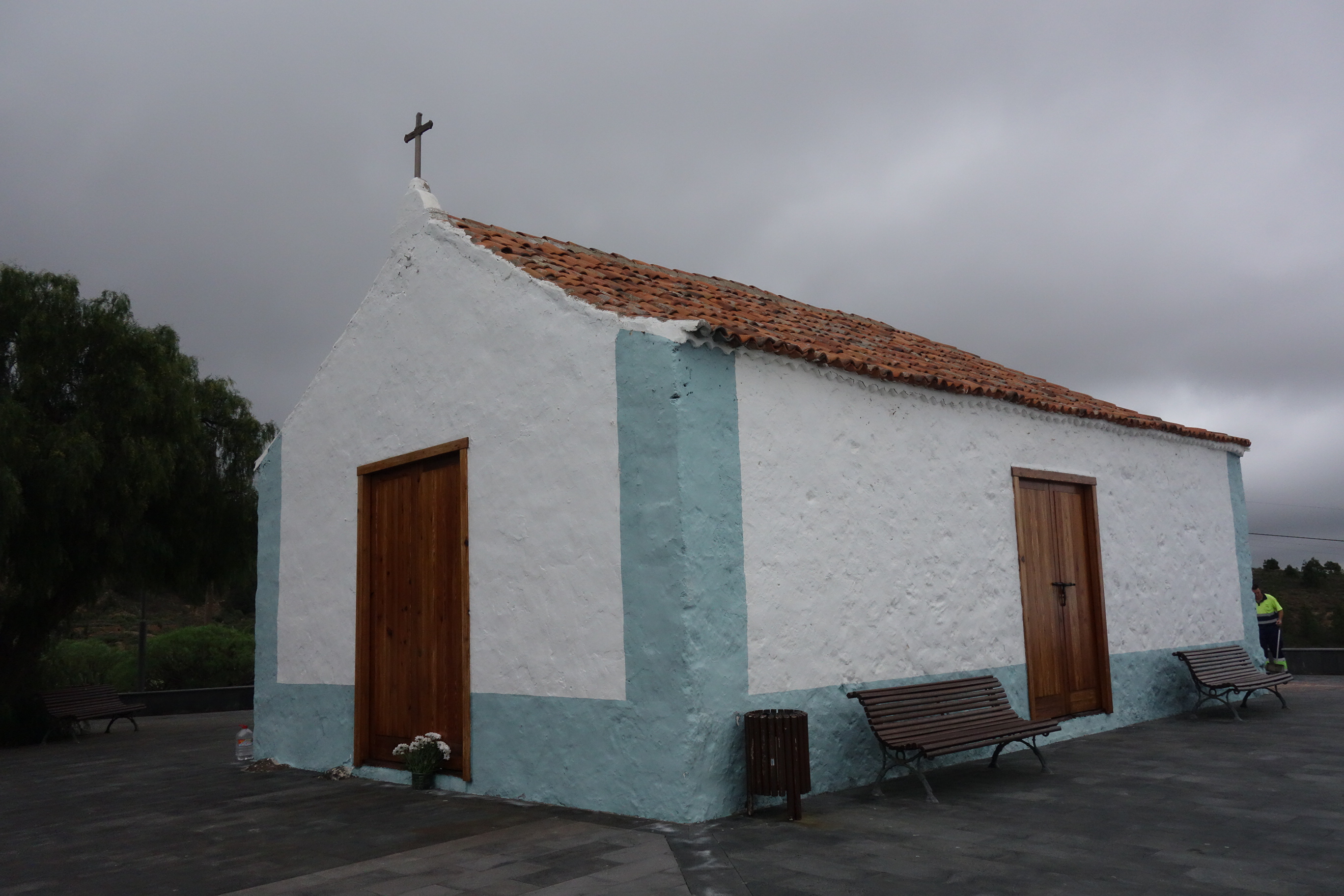
Foto: Maurer, Austria Forum
Church in Las Vegas
Church in Las Vegas
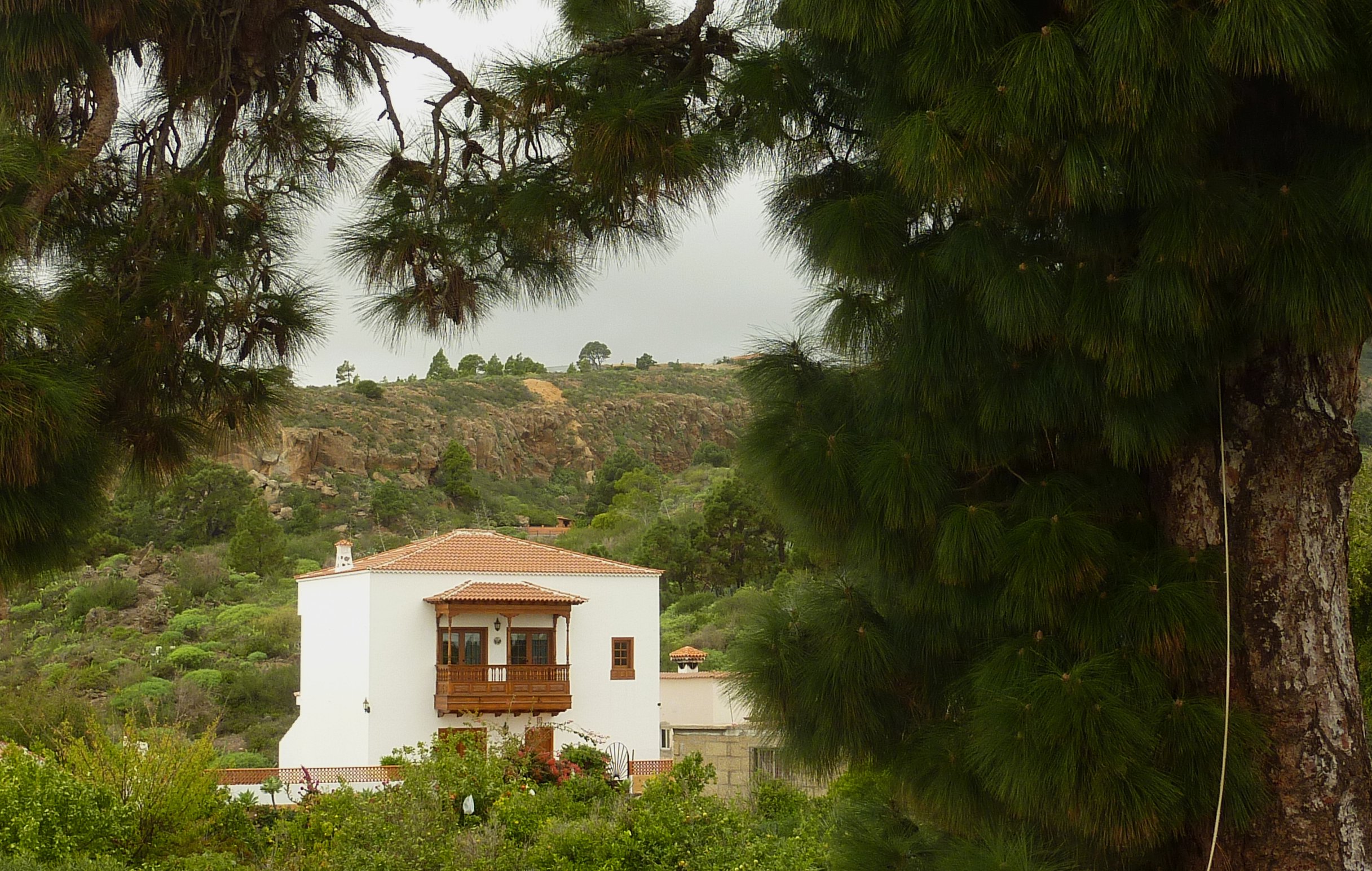
Foto: Maurer, Austria Forum
Can you see the rope on the tree --- used to ring a bell to call for church
Can you see the rope on the tree --- used to ring a bell to call for church